“It is as easy as riding a bike!” This phrase is often used and doesn’t make sense in many ways because learning to ride a bike is far from easy and quite challenging for many.
In this article, we will explain how to ride a bike by discussing each stage in detail. We will give you the tools and confidence to get on the bike and start conquering those routes and trails!
The importance of riding a bike
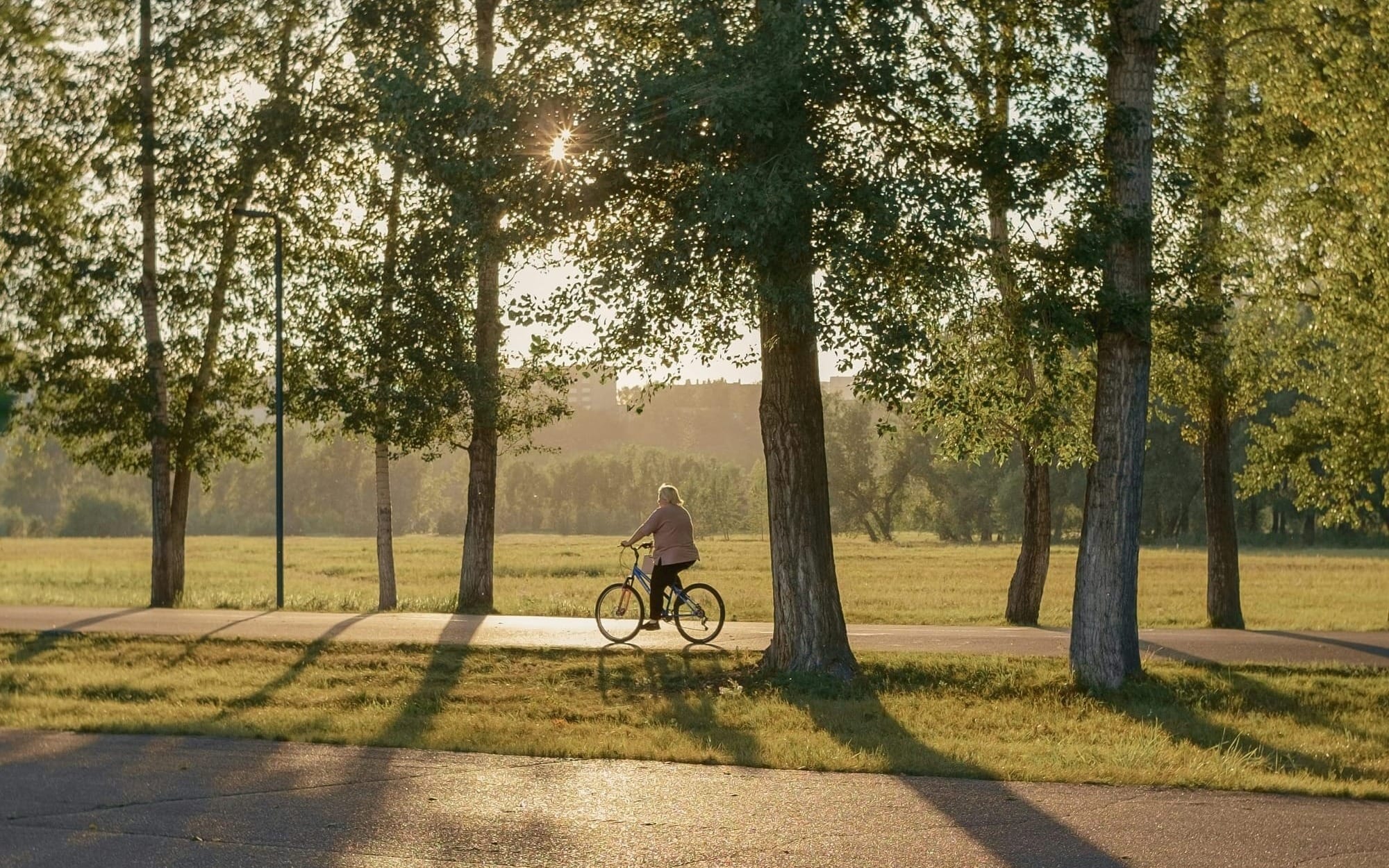
There’s never been a better time to learn how to ride a bike. With over one billion bikes in the world and bikes becoming a more popular form of transport daily, it's vital to learn how to ride a bike.
You can use a bike in so many ways. They are great for getting to and from work, staying fit, tackling personal challenges, socializing, and even going bikepacking or bike touring. There’s nothing quite like riding a bike, and with so many different bikes to choose from, you can explore anywhere.
Statistics show that around 6% of American adults don’t know how to ride a bicycle because they have never had the confidence or opportunity to learn. It’s incredible how many people don’t know and don’t feel the need to learn when they could be missing out.
Can you forget how to ride a bike?
It’s not rare that your cycling technique can get a little rusty over time. You never really forget; sometimes, it just takes a bit of practice to get back to feeling normal and natural.
Choosing the right bike and equipment
The first things you will need to ride a bike are the bike itself and some equipment. When it comes to finding the correct bike, here’s what we recommend to ensure you have the correct bike for learning to ride a bike.
- The correct bike size is for your height and often used and doesn’t make sense in many ways because learning to ride a bikewheel size.
- The seat is adjusted to the correct position (Hip height to start).
- The right type of bike for the terrain you plan on riding on.
- Working entirely correctly and is in good condition.
- It is not a bike you will worry about dropping and scratching too much.
- For younger riders, consider stabilizers to start.
It’s also a good idea to familiarize yourself with the bike and how it works. Understand the brakes and how the gears work to ensure that you will know how to stop when you start riding. We recommend some equipment as well when starting to ride a bike.
- Helmet to protect your head in a fall.
- Gloves to stop you from hurting your hands.
- A tool kit with a multi-tool and all the goods to repair a puncture.
- First aid kit in case of a fall.
- Proper clothing for winter and summer.
Now, you are ready to start learning how to ride a bike. Another great help will be having someone along with you and finding a safe place to learn to ride without any cars around, such as a park. The best option is to start by riding in a group as it is; it was always easier and safer.
How to ride a bike
Now, for the exciting part: we will tell you how to ride a bicycle next. Although the process might seem long, there is much more than just pedaling involved in learning to ride a bike. This is the same route I recommend for teaching a child to ride a bike or how to ride a bike without training wheels.
How long does it take to teach someone to ride a bike?
Some people take to it incredibly quickly and can start riding within a few hours; others might take a few days. Riding confidently will take a lot of practice, but it will also be fun.
Stage one: Learn hand signals
Learning the hand signals is essential before getting on the bike. These signals tell other road users precisely what you will do while out riding. They are a must, but they will take some practice after you have learned to ride.
There are many other cycling hand signals designed for riding in groups, which we recommend learning, but at the start, these will be enough to keep you safe.
Stage two: Mounting and balancing
The next step in learning to ride a bike is to work on mounting and balancing the bike. Here, you will want to practice getting on and off the bike. You might have a step-through or need to practice throwing your leg over.
Once on the bike, you need to learn how to balance. There’s a big misconception that when sitting on the seat, you should be able to have your feet flat on the floor, but this isn’t the case. You generally, on most bikes, will only be able to touch your toes or just be able to lean on one side. It would help if you practiced getting comfortable here.
Stage three: Pushing off and pedaling
Next, we come to pushing off. You will want to practice pushing yourself off from the spot and moving around a meter forward. You will need to have the primary foot on the pedal, which should be in the 12 - 3 o'clock position, and the secondary foot pushing off the floor.
When you push off with the secondary foot, push on the pedal of the primary foot, and it will drive you forward, giving you momentum and extra balance. Using this momentum, you need to lift the secondary foot onto the other and drive into that.
Then, using both feet to power into the pedals will help you speed up, increasing your speed, which will give you extra balance and help keep you upright without needing to put your feet on the floor.
Stage four: Steering and braking
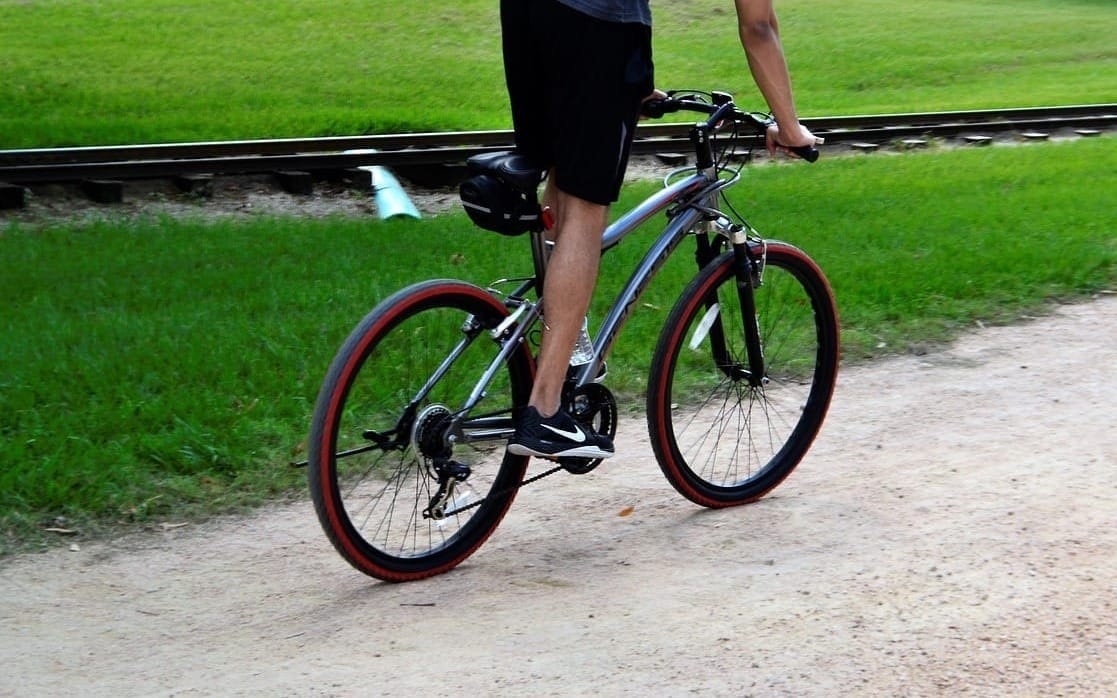
Once you have the pedaling under control, you will learn how to control the bike. Let’s get started with steering. If you want to turn left, turn the bars to the left and right to turn to the right. This is how you will work at typically slower speeds.
At high speeds, you might find yourself having to counter-steer. This is where you slightly turn in the opposite direction to where you want to go, then lean into the corner. This will come naturally over time, but it’s good to understand the logic.
Regarding braking, you will have two brakes: one on the front and one on the rear. If you only use the front, you risk going over the bars on sharp braking; if you only use the rear, you risk the back skidding out. Use both and learn to know where to apply power and how much.
Regarding how to ride a road bike, you might need more practice as the gears and brakes are different on a road bike and can be harder to use as you have multiple positions. At buycycle, there are many different bikes to learn on, and some types you might never have heard of.
Stage five: Practice, practice, practice!
The final stage of learning to ride a bike is practising. The best way to become a better cyclist is to ride regularly. The more you get used to the feeling and find the correct motion, the more it will start to feel natural.
Step six: Progress your cycling further
Finally, if you want to progress further and now feel like you have a fair amount of confidence, then here’s more you can learn, which will improve your experience on the bike and also help other road users. Here’s our checklist!
Once you have mastered these skills, you will want to continue practicing, and before you know it, the phrase “It’s as simple as riding a bike!” will start making sense. Learning to ride a bike takes a few miles, but those miles will bring you to the most beautiful cycling destinations.
A little extra help
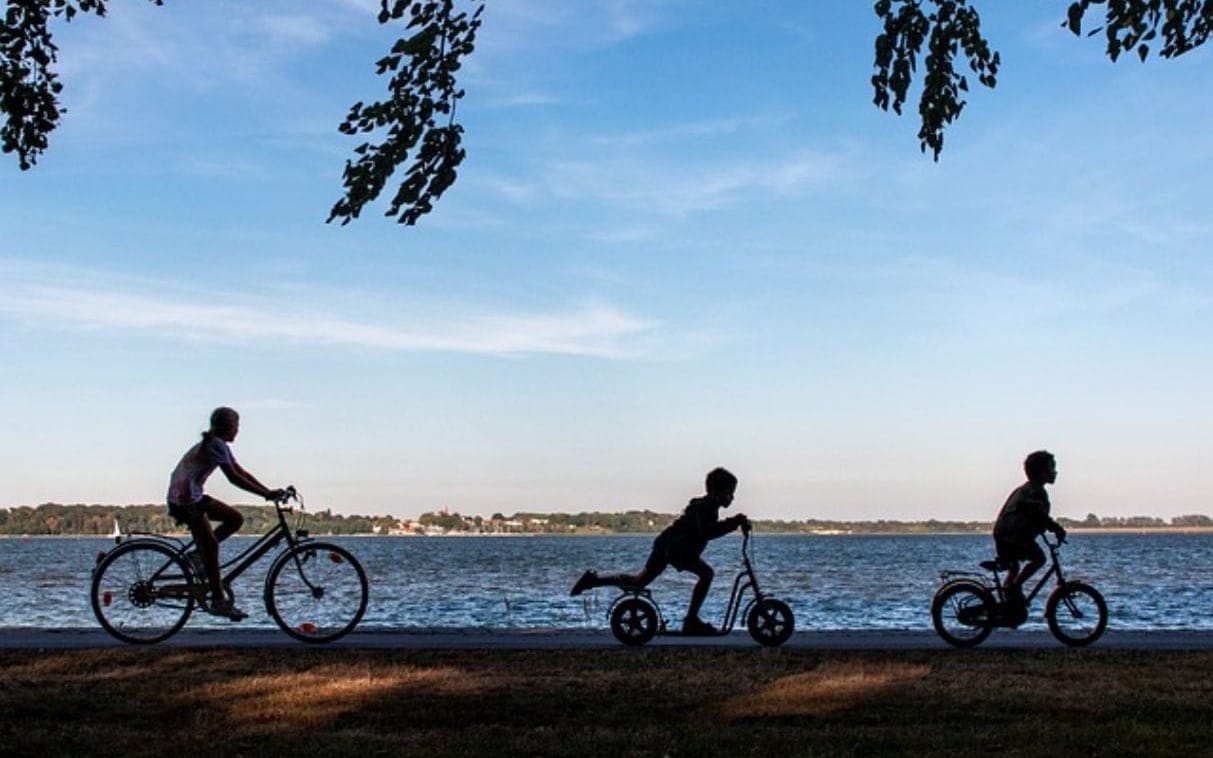
If you do find yourself struggling and need some extra help, there are many different options available to continue learning to ride a bike. It’s not rare for people to need extra support; quite often, it is adults more than children.
Many companies offer professional cycle training on how to teach someone to ride a bike. They not only go to schools but also offer day classes where you can learn with the support of professional instructors and special equipment.
The best way to find these is to Google search “How to ride a bicycle” and then the area in which you live. You will find many training centers that will help you progress and learn with an instructor who specializes in teaching adults to ride a bike. - Alice Huot @ buycycle.
When is the best time to learn to ride a bike?
Many places recommend children between 3 and 6 years old when learning to ride a bike, but many factors affect this, such as the child's ability and skill level when balancing.
For adults, there’s no time like right now. Learning to ride a bike as soon as possible will get you out enjoying the wonders of cycling straight away, and for many, it becomes a regular hobby.
Luckily, the buycycle website offers some fantastic bikes that will be perfect for learning how to cycle and worth checking out.
Tips for riding a bike!
Road bike buying guides
- Which road bike is right for me?
- Which endurance bike is the best?
- Best aluminium road bikes in 2024
- Best road bikes under $2.000 in 2024
- Best carbon road bikes in 2024: Our top 5 ultimate picks!
- Carbon road bikes: What are they?
- Trek road bike comparison
- The buycycle road bike guide
- Mountain bike vs road bike: Which one is best for you?
Road bikes reviews
- Cube Agree C:62 Race Review
- Focus Izalco Max 2024 Review
- Focus Izalco Max 9.8 Review
- BMC Roadmachine 01 TWO Review
- Trek Domane AL 2 Review: The ultimate affordable road bike for beginners and beyond
- Trek Madone vs Domane: which is for you?
- Specialized Aethos vs Tarmac: What is the model for you?
- Canyon Ultimate vs. Aeroad: find the best Canyon road bike for your ride
- Trek Domane vs Specialized Roubaix: Which bike is best?
- Specialized Tarmac vs Roubaix: how to decide between the two?
- Trek Madone Gen 8 Review
Top road bikes
- Best beginner road bike: Our top 5 best road bikes for beginners
- Best road bikes for women: Our Top 5 picks for 2024
- Best steel road bike in 2024: our top 5
- Best steel road bikes: Get to know which are the top steel road bikes for 2024?
- Best titanium road bike in 2024: our top 5
- Best titanium road bikes: Our top 5 picks to discover the power of titanium
- Top 5 aero road bikes
- Best carbon road bikes in 2024: Our top 5 ultimate picks!
Road bike sizing guides
History & brands
Road bike gear guides
- Bike helmet size chart and how to measure for a bike helmet
- Best road bike saddle: the seats that can’t be beat
- Everything about road bike gears
- Gravel tires on road bike: A genius move or a misguided choice?
- How to convert a road bike to a gravel bike? Is that even a good idea?
- All things (road) bike locks
- The most important info about the road bike handlebar
- Wrap handlebar tape correctly
- Winter road bike shoes: are they necessary?
Road bike selling guide
Road bike winter cycling
- Winter road bike shoes - are they necessary?
- Winter road bike tires: The best tires for cold-weather rides
- Top 3 Spanish winter cycling destinations: Mallorca, Calpe, and Tenerife compared
Buying guide
- Should I buy a new or used bike?
- What is better: buying or leasing a bike?
- How much does a bike cost?
- How to choose a gravel bike?
- How to choose a mountain bike? Discover our mountain bike buying guide
- How to choose a triathlon bike?
Brands guide
- What are the best road bike brands in the US?
- What are the best bike brands in the USA?
- Scott vs. Cube: What makes these top bike brands unique?
- Trek vs. Specialized: which brand really suits your style?
- Cannondale vs Trek: battle of the biggest
- Cannondale vs. Specialized: discover which bike brand leads the pack
- Giant vs Speiclalized
- Canyon vs. Specialized
Where to buy a bike?
- What are the best bike outlets in the US?
- How to buy a bike at Rose Outlet
- Buy a bike at Canyon Outlet
- How to buy a bike at the Cube factory outlet?
- Bicycle blue book: the right choice for evaluating, selling, or buying a bike?
- Buy a bike on Ebay
- Craigslist bikes vs buycycle: what is the best place to sell or buy a used bike in 2024?
- Facebook marketplace vs buycycle: where to buy or sell your bike?
- Pinkbike: The best place to buy and sell a used bike?
Sizing guide
- Everything about the tire size of your bike
- Bike helmet size chart and how to measure for a bike helmet
- Bike size chart: What size bike do I need?
- Bike wheel size chart: what wheel size bike do I need?
- How to make sure you buy the right-sized second-hand bike
- All about frame height for a road bike
- All about frame height on a mountain bike
- Road bike size chart: Your guide to the perfect fit