Bike wheel size chart: what wheel size bike do I need?

A bike wheel size chart is a helpful tool for determining the appropriate wheel size for your bike. Bikes come in many different shapes and sizes and are packed with many components. One of the most important is the wheels. Many cyclists do not know that wheels come in many different sizes, and there are sometimes options to choose from.
In this article, we will discuss different wheel sizes and tell you which is best suited to you and your riding style. You will be surprised at how much difference a wheel size makes to feel and performance.

How to measure bike wheel size
Measuring a bike wheel in inches
Before we start, measuring a bike wheel is a good skill to learn. There are a few different ways to do it, but the easiest is to measure from one side of the wheel to the center axle and double it for diameter. This is how to measure a bike wheel in inches.
How to measure the rim width
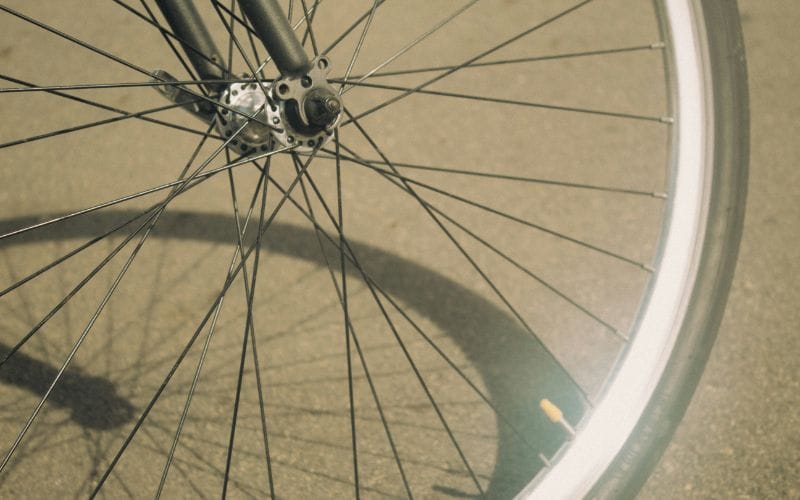
If you want to measure the rim width, take a tape measure or vernier caliper and measure the width from the outside to the outside. This is the external rim width for the internal, measured from the inside of the channel inside the rim.
Using bike wheel size charts to find your perfect fit
Now, for the exciting part, here is the bike wheel size chart. Let’s start discussing rim sizes and how they can benefit you. To make this easier, the best way to break it down is to divide it into children and adults.
Bike wheel size chart for children



wheel size varies according to the child's age and use of the bike
Our recommended sizes for children's bikes are on the bike wheel size chart. However, this should be taken with a pinch of salt as children all grow at different rates and often fall into the size above or below. By the way, we also have a guide on bike helmet size for most bikes for children.
Bike wheel size chart for adults
Next, we have adults, and it does not work just like it does with children. It all depends on the type of bike, the discipline, and the users themselves. It all makes a difference, and to understand further, here is what you need to know about adult bike wheel size.

Bike wheel size: general overview
The standard for most bikes is 700 for average-sized individuals and 650 for smaller individuals. This applies to city bikes and hybrid bikes.
Let's delve into more detail according to the type of bikes used.
Road bike wheel size

If you are looking at road bike wheel size, there are only two to consider: 700c and 650c. 700c is the modern standard and what 99% of riders will use. 650c is generally available for people who may be shorter or have tiny road bikes. If you can avoid 650c, it goes a long way due to limited tire sizes and wheel replacements.
Gravel bike wheel size

In general, the gravel bike wheel size is a little more unique. 700c wheels are better on the road and have smaller-width tires. Gravel bikes with 650b wheels will have larger-width tires and are typically more equipped for off-road terrain. You might consider smaller wheels when you want to do a lot of off-road bikepacking for example. We also have a guide to help you choose a bike for bikepacking.
A bit more size complexity: mountain bike wheel size



Mountain bike wheels sit between 26” and 29”
Mountain bike wheels sit between 26” and 29”. They are ideal as they offer the extra control of a smaller wheel, but they also have good acceleration and the ability to take a wider tire on many bikes. The drawback comes in top speed more than anywhere else.
The bike wheel size chart has three main tire sizes for mountain biking. 26”, 27.5”, and 29”. These sizes are typically used for different disciplines, but the rider's preference and height also play a role. You will even see mixed tire sizes on some bikes. Let’s explore these popular sizes further.
Downhill bike wheel size

The 26” is a classic wheel size, but it's not as popular as it used to be. It is used on some modern downhill bikes but rarely on standard mountain bikes, such as XC and trail bikes. By the way, we also have a selection of the best mountain bikes for beginners.
Cross-country bike wheel size
The 29” is used on XC (cross-country) bikes and many trail bikes. It’s excellent because it can roll over obstacles easily. It has an excellent top speed, but acceleration is slightly decreased compared to a smaller wheel. The tire width is limited on some bikes, and they are harder to control at slower speeds.
The wheel size also depends on the frame size

Another characteristic of many bike brands is that they change the wheel size on a mountain bike depending on the frame size. This is to improve the user's ability to stand over the bike, make the bike fit the user better, and ensure the wheel is in the right proportion with the rider.
You will see some mountain bikes that are extra small, small, and medium with 27.5” wheels and tires; the large and extra large wheels will have 29” wheels. These can often be swapped at request.
Many modern bikes can fit both sizes. Disc brakes make it really simple, and it’s not rare for riders to have two wheelsets: one for less technical courses paired with smaller-width tires and another for very technical courses paired with larger-width tires. - Alice Huot
Wheel size variation in other bike types
Small wheels for folding bikes

The standard wheel sizes for folding bikes with mini tires range from the typical 16-inch to 20-inch range. These smaller wheel sizes optimize portability and compactness while providing adequate performance for urban commuting or recreational riding.
Larger wheels on tandem bikes

Tandem bikes typically have larger wheel sizes than standard bikes, often using 26-inch or 700c wheels. The exact wheel size can vary depending on the manufacturer and the specific design of the tandem bike. They are designed to carry two or more riders, so they need to support a heavier combined weight than standard bikes. Larger wheel sizes help distribute the weight more effectively, providing stability and better handling for the increased load. Additionally, larger wheels can offer better momentum and efficiency, which are beneficial when riding with multiple people.
A variety of sizes for the recumbent bike
Recumbent bikes can have a variety of wheel sizes, typically ranging from 20 inches to 700c. The specific wheel size often depends on the recumbent bike's design and intended use. Smaller wheel sizes may be used for compactness and maneuverability, while larger wheel sizes offer smoother riding and higher speeds.
Cargo bike wheel size



Cargo bikes typically have wheel sizes ranging from 20 inches to 26 inches
Cargo bikes typically have wheel sizes ranging from 20 inches to 26 inches. These larger wheels help support the bike's additional weight and cargo capacity while providing stability and maneuverability.
What wheel-size bike do I need?
Consider your riding style
When picking the correct bike wheel size, it is essential to consider everything. Think about the discipline and style you are going to be riding, and if you have the option of different wheel sizes, go for the right one for your size. Refer to the bike wheel size chart beforehand.
Do not overthink it
It is very easy to overthink the decision about what size bike wheel you need. Most bikes will come with wheels of the right size for your needs. If you are buying an XC mountain bike, it will more than likely have 29” wheels, as they are best suited for this type of bike.
If you buy a small trail bike, the brand will likely have dropped the wheel size or adapted the bike design to work for your size and the wheels. Much of it will come down to what you enjoy riding, too. Even tall riders often prefer smaller wheels, and some shorter riders prefer larger wheels. - Alice Huot
We’re thrilled to announce that buycycle now offers a shop for bike parts! You can easily buy and sell high-quality components online, making upgrading your ride or replacing worn-out parts simpler than ever. Explore our extensive selection today and keep your bike in shape while connecting with fellow cycling enthusiasts!