
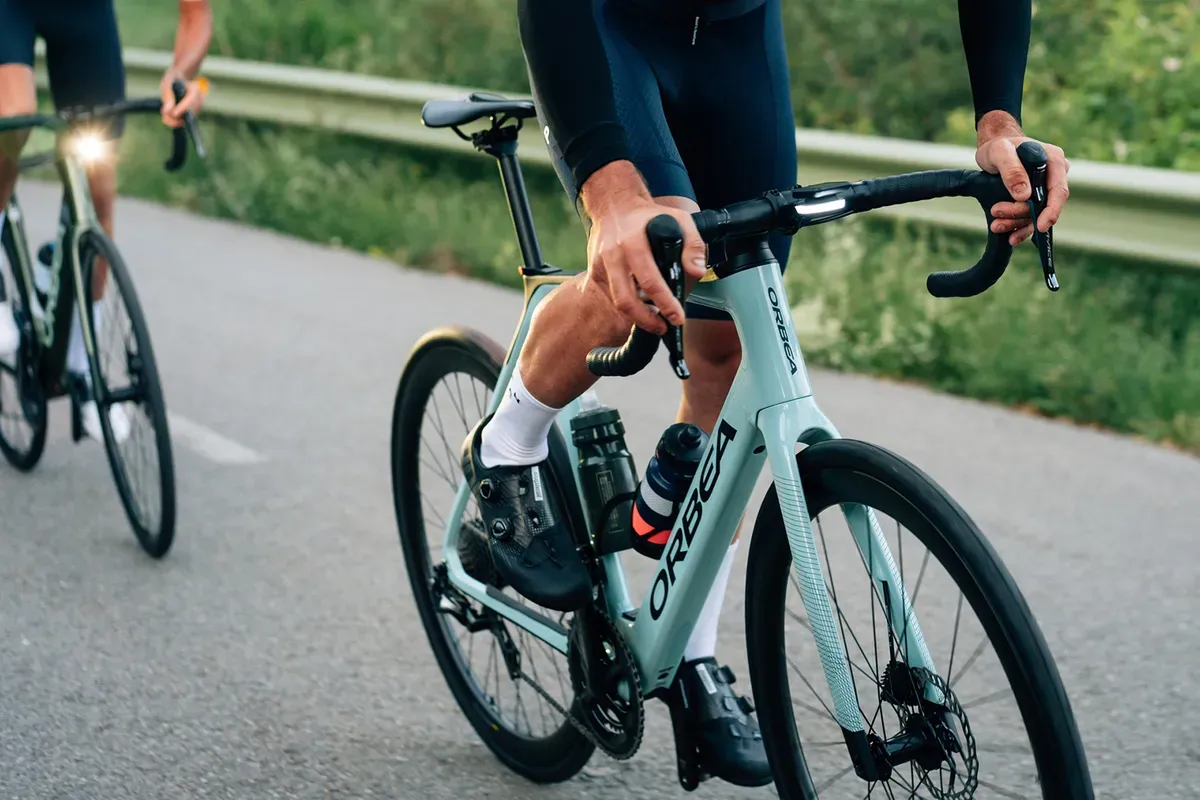
The electric road bike is revolutionizing cycling by allowing a combination of sports performance and motorized assistance. Whether you are a long-distance enthusiast or a casual cyclist looking to climb hills with less effort, a well-chosen e-road bike can meet your needs. Here’s a detailed guide to help you pick the perfect model.
Electric road bike: Start by identifying your needs
Before purchasing, identify your goals:
- Sport use: prioritize lightweight and high-performance models.
- Daily commutes: Focus on comfort and autonomy.
- Mixed cycling: choose a versatile bike.
Before buying an electric road bike, it’s essential to consider your specific needs. A bike designed for long, sporty rides will differ from one intended for daily commutes. There are various types of cyclists, each with different requirements based on their intended use.
What type of cyclist are you?
The first question to ask is: What type of cyclist are you? If you are a sporty cyclist, you will probably seek a bike that helps you push your limits and improve your performance, especially on varied terrain.
"In this case, a lightweight and performance-oriented model with a central motor would be ideal for you, as it allows for better weight distribution and offers more natural assistance." - Alice Huot @buycycle
On the other hand, if you're a casual cyclist, you may need a more comfortable model that's easy to use and maintain. In that case, a bike with a rear wheel motor might be a better choice, as it is generally less expensive and just as effective for urban commutes.
What are your practice goals?
Your reason for purchasing will also influence your decision. If your goal is to improve your endurance and go on long hikes, you likely want a bike that offers good autonomy and geometry that allows you to maintain a comfortable position for hours.
However, if you are using an electric road bike to replace your car for daily travel, you will need to look for a versatile model capable of navigating easily through streets while being robust enough for daily trips.
Motorization: an essential technology of a VRE
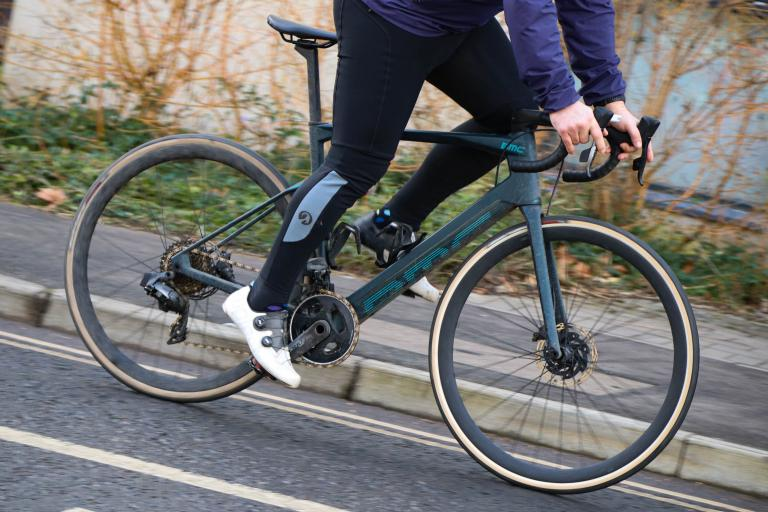
Motorization is undoubtedly one of the most important criteria when choosing your electric road bike. The motor will largely determine the quality of the assistance and thus the riding experience. There are two main types of motors for electric bikes: central motors and rear-wheel motors.
Types of motors
The central motor near the bottom bracket is often considered the most efficient. It allows for a more balanced weight distribution and provides a more natural assistance, which is particularly beneficial when climbing hills or for cyclists who regularly ride.
It is also often quieter and offers better battery management, improving the overall range of the bike.
On the other hand, rear wheel motors tend to be more affordable and provide a smoother ride for urban trips. However, these motors can make the bike more challenging to balance, especially on steep terrain. They are more suited for cyclists looking for a daily-use bike or for short distances.
Factors for choosing an electric road bike
The power of the motor is also an essential element. Generally, a 250W motor is sufficient for most electric road bikes. This provides solid assistance while complying with legal standards in Europe. However, a motor with high torque is crucial for more rugged terrains.
Torque measures the strength of the assistance; the higher it is, the more you can climb slopes with less effort. A torque of 50 to 75 Nm is ideal for rough terrain.
The battery: Range and performance
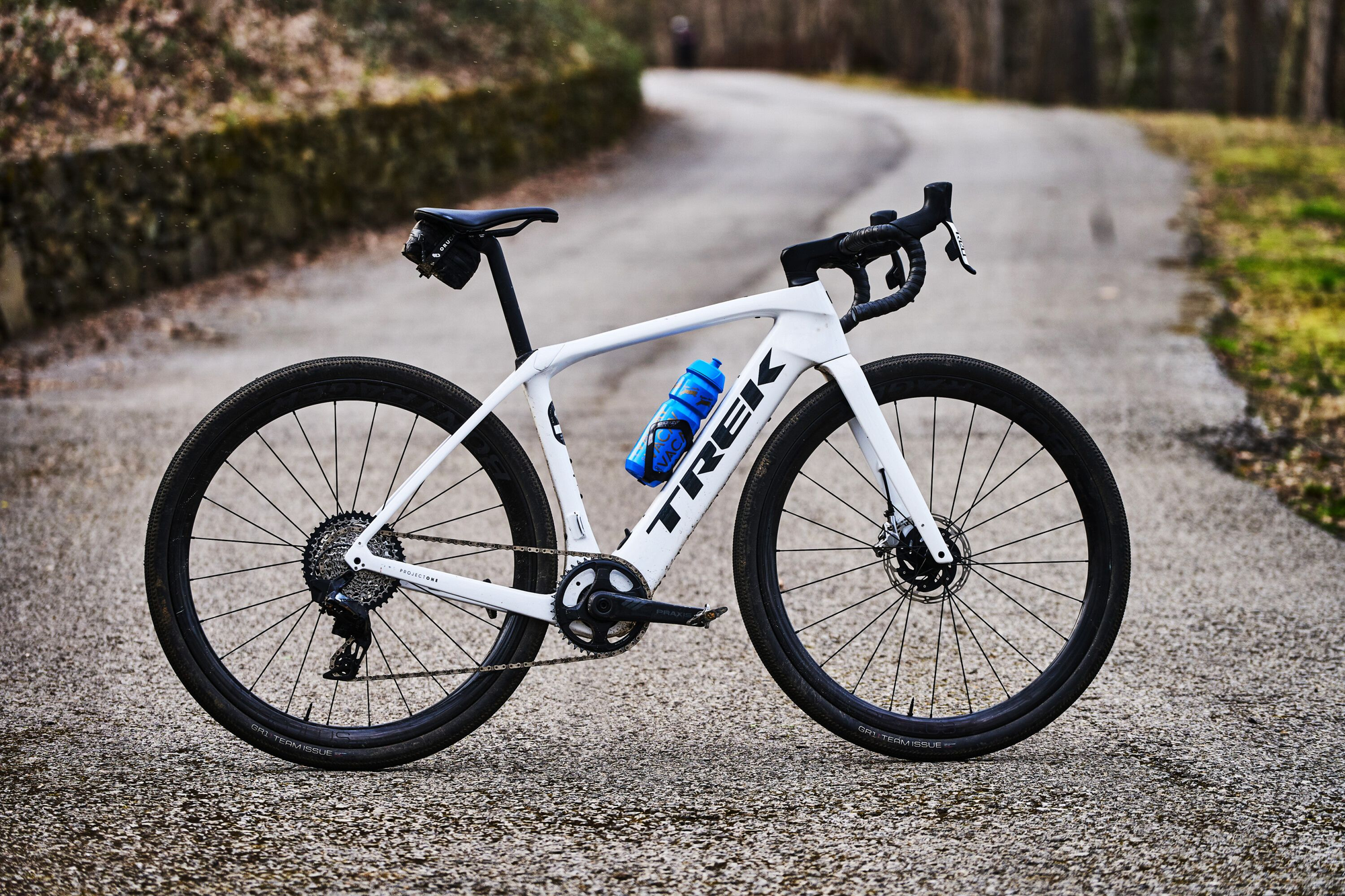
The battery is another crucial element when choosing your electric road bike. The range of an electric bike largely depends on the capacity of its battery, as well as the intensity of the motor and the terrain you’re riding on.
Capacity and range
The battery's capacity is measured in Watt-hours (Wh). The higher this value, the more energy the battery can store and the greater the range it can provide.
"A 400Wh battery can cover a distance of 60 to 100 km, depending on the level of assistance and the type of terrain." - Anja Benson @buycycle
A 500Wh or 700Wh battery is recommended for longer rides or if you need greater range. This will allow you to ride long distances without worrying about recharging.
- 400-500 Wh: sufficient for medium trips (50 to 80 km).
- 600 Wh and above: ideal for long outings or demanding terrains.
It's also important to consider the battery's lifespan. Lithium-ion batteries, commonly used in electric bikes, have an average lifespan of about 800 to 1000 charge cycles. However, this can vary based on how you maintain the battery. To maximize its longevity, avoid letting the battery discharge completely and don't keep it plugged in constantly when fully charged.
The frame of an electric road bike: materials and geometry
The bike frame is another essential factor to consider. It should be lightweight and sturdy to ensure a pleasant ride while providing enough strength to support the motor and battery.
Frame materials
Aluminum frames are the most common for electric road bikes. They are lightweight, corrosion-resistant, and relatively affordable. Carbon frames are the best option if you're looking for an even lighter and higher-performing bike. Although more expensive, carbon is an ultra-light material that reduces vibrations and improves comfort during long rides.
A steel frame might also be a good choice if you prioritize durability and comfort.
It's less common on electric road bikes but offers a smoother and more robust ride. However, it is heavier than aluminum or carbon.
- Carbon frame: ultra-light and stiff, ideal for competitions, but expensive.
- Aluminum frame: more affordable and fairly light, a good compromise for mixed use.
- Total weight: An e-road bike typically weighs between 26 and 40 lbs. Be cautious if you need to transport it frequently.
Geometry of the frame
The frame's geometry also plays an important role in the riding position. If you are a sporty cyclist, a more aggressive position with a lower frame and sharper angles will help you optimize your performance. Choose a frame that allows you to adopt a more upright and comfortable position for more relaxed trips or long rides.
Transmission, brakes, and wheels: the essential components
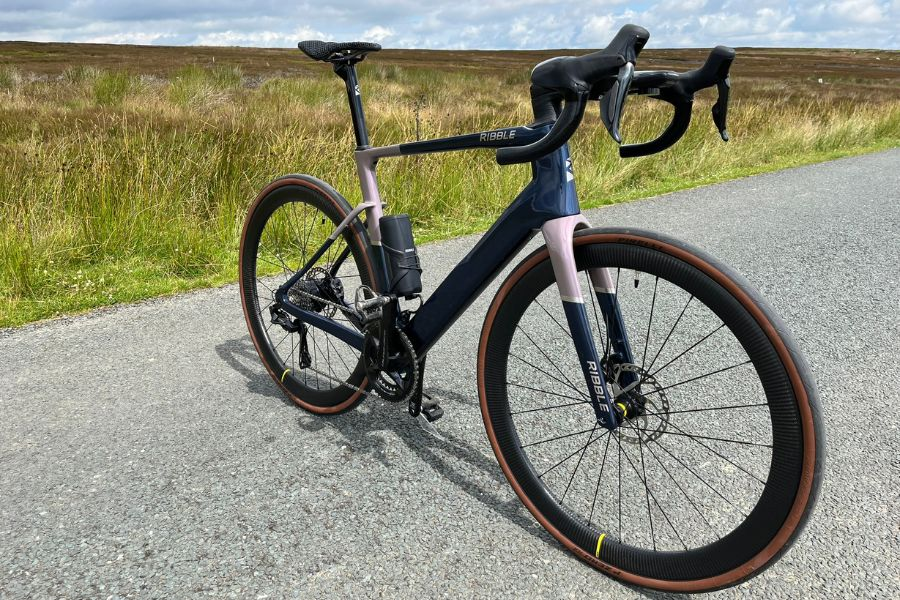
Besides the motor and battery, components like the transmission, brakes, and wheels are key elements that impact the quality and safety of your bike.
The transmission of the electric road bike
The transmission of the electric road bike typically consists of derailleurs and shifters. Shimano and SRAM groups are popular and offer gear that is perfect for various situations.
A derailleur with a small gear range will suffice if you ride on flat terrain. However, if you plan to climb slopes or traverse varied terrain, use a wide-range cassette that allows easy shifting between gears.
- Mechanical transmission: simple and reliable.
- Electronic transmission: precise and modern, but more expensive.
- Number of gears: 10 to 12 gears are sufficient for versatile riding. Choose a wide gear range for easy climbing.
Brakes
Brakes are also a crucial element for your safety, especially when descending. Hydraulic disc brakes are highly recommended for an electric road bike. They ensure reliable braking power even in rain or difficult conditions. If you are on a budget, mechanical disc brakes can be a more economical alternative, though with slightly lower performance.
- Hydraulic brakes: precise and effective, even in the rain.
- Mechanical brakes: less expensive, but require more maintenance.
Wheels and tires of the electric road bike
Your bike's wheels should be adapted to your use. If you want performance, choose lightweight carbon wheels that improve aerodynamics and speed. Tires are also important: tubeless tires reduce the risk of flats and allow you to ride at lower pressures, enhancing comfort.
Comfort and ergonomics
Comfort is crucial for fully enjoying your rides. A well-designed electric road bike will allow you to ride for several hours without excessive fatigue.
Riding position
Your position on the bike depends on your style. A more aggressive position will help you maximize your efficiency if you are a competitive cyclist. Conversely, to enjoy the scenery, choose a bike that offers a more upright position, reducing pressure on your wrists and back.
Saddle and handles
A suitable saddle is fundamental for comfort. Some saddles are wider, while others are narrower, and the choice will depend on your body shape. Ergonomic handles reduce strain on hands and arms during long rides.
Price and budget for an electric road bike
Electric road bikes are a significant investment. Prices range from $2000 to over $10,000, depending on components and brands. Define your priorities to optimize your purchase:
- Entry-level ($2000-$3000): Sufficient for occasional use.
- Mid-range ($3000-$5000): a good compromise for regular rides.
- High-end ($5000 and above): Designed for enthusiasts and competitors.
Maintenance and durability
Regular maintenance is essential to maximizing the lifespan of your electric road bike. Clean the chain and brakes, check the battery, and keep your bike in good order. If a problem arises, do not hesitate to call a professional.
Electric road bikes, the future of cycling accessible to all
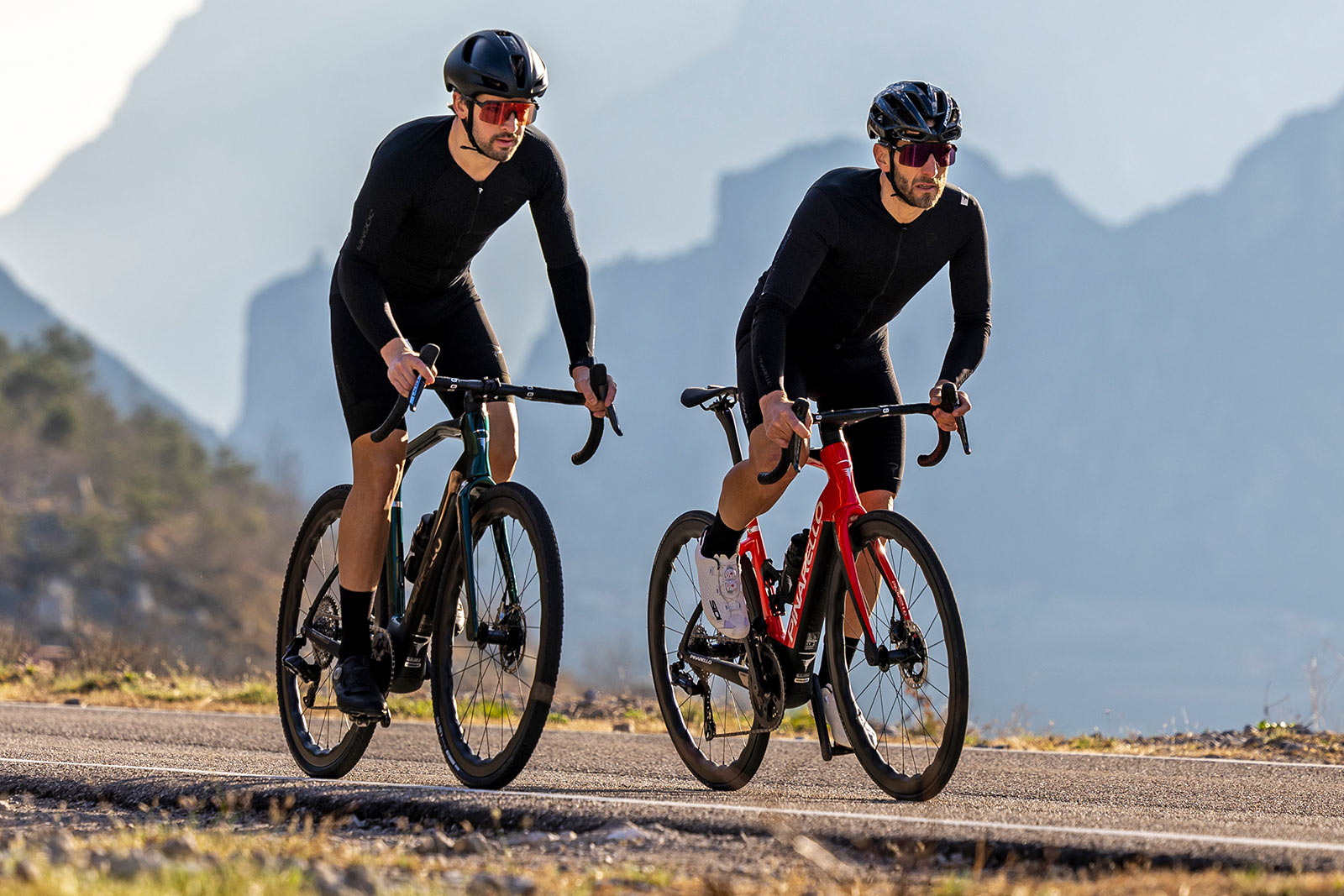
Electric road bikes provide a smoother and more accessible riding experience, regardless of your level. The combination of high-performance motorization, an appropriate battery, and quality components allows you to push your limits while offering optimal comfort.
Whether you are a sporty cyclist or looking for an eco-friendly and practical means for your daily commutes, an electric road bike can transform your rides.
At buycycle, we are already at the forefront of this revolution, with a selection of electric bikes available today. And in 2025, we will continue to expand our offerings with even more models to meet all your needs so that everyone can find their ideal bike. Don't wait any longer to discover the future of cycling!
Road bike buying guides
- Which road bike is right for me?
- Best beginner road bike: Our top 5 best road bikes for beginners
- Which endurance bike is the best?
- Best aluminium road bikes in 2024
- Aluminum VS Carbon
- Best road bikes under $2.000 in 2024
- Best carbon road bikes in 2024: Our top 5 ultimate picks!
- Carbon road bikes: What are they?
- Trek road bike comparison
- The buycycle road bike guide
- Mountain bike vs road bike: Which one is best for you?
Road bikes reviews
- Rose Reveal vs Canyon Endurace – What are the differences?
- Cube Agree C:62 Race Review
- Focus Izalco Max 2024 Review
- Focus Izalco Max 9.8 Review
- Trek Madone Gen 8 Review: The ultimate blend of aero and lightweight?
- BMC Roadmachine 01 TWO Review
- Trek Domane AL 2 Review: The ultimate affordable road bike for beginners and beyond
- Trek Madone vs Domane: which is for you?
- Specialized Aethos vs Tarmac: What is the model for you?
- Canyon Ultimate vs. Aeroad: find the best Canyon road bike for your ride
- Trek Domane vs Specialized Roubaix: Which bike is best?
- Specialized Tarmac vs Roubaix: how to decide between the two?
- Trek Madone Gen 8 Review
- Canyon Endurace, Ultimate & Aeroad comparison
Top road bikes
- Best beginner road bike: Our top 5 best road bikes for beginners
- Best road bikes for women: Our Top 5 picks for 2024
- Best steel road bike in 2024: our top 5
- Best steel road bikes: Get to know which are the top steel road bikes for 2024?
- Best titanium road bike in 2024: our top 5
- Best titanium road bikes: Our top 5 picks to discover the power of titanium
- Top 5 aero road bikes
- Best carbon road bikes in 2024: Our top 5 ultimate picks!
Road bike sizing guides
History and events
- Bianchi history & Bianchi outlet
- Pinarello road bike history
- Road cycling events not to miss in 2025 – Complete cyclist calendar 2025
Road bike gear guides
- Bike helmet size chart and how to measure for a bike helmet
- Best road bike saddle: the seats that can’t be beat
- Everything about road bike gears
- Gravel tires on road bike: A genius move or a misguided choice?
- How to convert a road bike to a gravel bike? Is that even a good idea?
- All things (road) bike locks
- The most important info about the road bike handlebar
- Wrap handlebar tape correctly
- Winter road bike shoes: are they necessary?
- Road bike lights: Our selection of the best lights for riding at night
Road bike selling guide
Road bike winter cycling
- Winter road bike shoes - are they necessary?
- Winter road bike tires: The best tires for cold-weather rides
- Top 3 Spanish winter cycling destinations: Mallorca, Calpe, and Tenerife compared
Buying guide
- Should I buy a new or used bike?
- When to buy a bike?
- What is better: buying or leasing a bike?
- How much does a bike cost?
- How to negotiate your bike's price: Tips for ensuring a fair deal
- How to choose a gravel bike?
- How to choose a mountain bike? Discover our mountain bike buying guide
- How to choose a triathlon bike?
Brands guide
- What are the best road bike brands in the US?
- What are the best bike brands in the USA?
- Scott vs. Cube: What makes these top bike brands unique?
- Trek vs. Specialized: which brand really suits your style?
- Cannondale vs Trek: battle of the biggest
- Cannondale vs. Specialized: discover which bike brand leads the pack
- Giant vs Speiclalized
- Canyon vs. Specialized
Where to buy a bike?
- What are the best bike outlets in the US?
- How to buy a bike at Rose Outlet
- Buy a bike at Canyon Outlet
- How to buy a bike at the Cube factory outlet?
- Bicycle blue book: the right choice for evaluating, selling, or buying a bike?
- Buy a bike on Ebay
- Craigslist bikes vs buycycle: what is the best place to sell or buy a used bike in 2024?
- Facebook marketplace vs buycycle: where to buy or sell your bike?
- Pinkbike: The best place to buy and sell a used bike?
Sizing guide
- Everything about the tire size of your bike
- Bike helmet size chart and how to measure for a bike helmet
- Bike size chart: What size bike do I need?
- Bike wheel size chart: what wheel size bike do I need?
- How to make sure you buy the right-sized second-hand bike
- All about frame height for a road bike
- All about frame height on a mountain bike
- Road bike size chart: Your guide to the perfect fit