
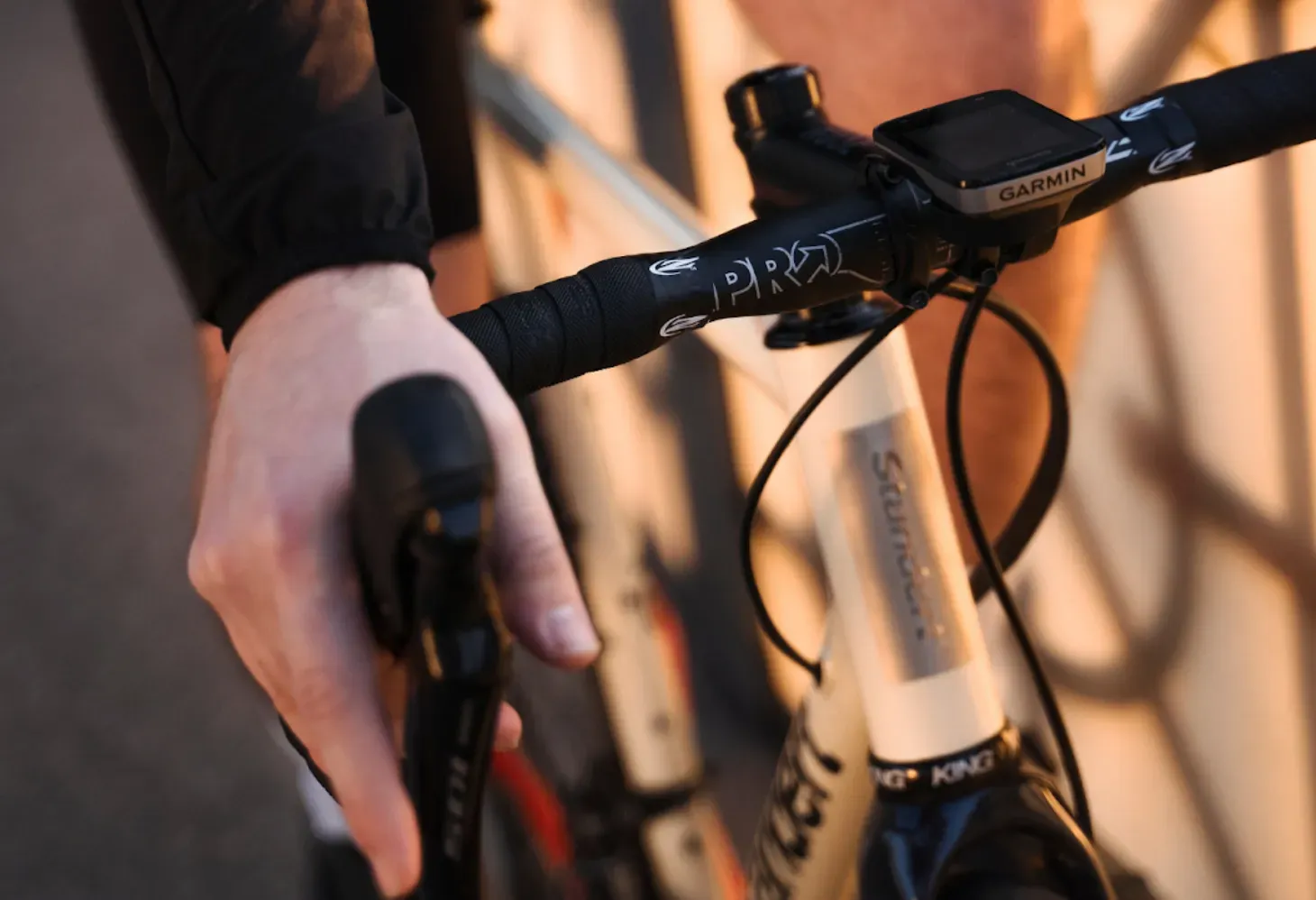
Find your ideal bike computer
People are motivated by being able to track their athletic progress. Data acquisition is essential for this. Most bicycle tachometers measure speed, altitude, pulse and time. Thus, they also provide important values during cycling. In addition to measuring conventional data, many modern devices can also navigate and save routes planned, for example.
This is especially useful when exploring new routes and long tours. In recent years, the market has seen increasingly better models for cycling. Garmin and Sigma are among the most popular manufacturers. At the same time, there are many alternatives from other producers.
Depending on the functions you want the bike computer to have, there is an ideal device for you. It is worth comparing models to avoid paying for features you will never use. Here, you can find information about the features and comparisons of the best bike computers.
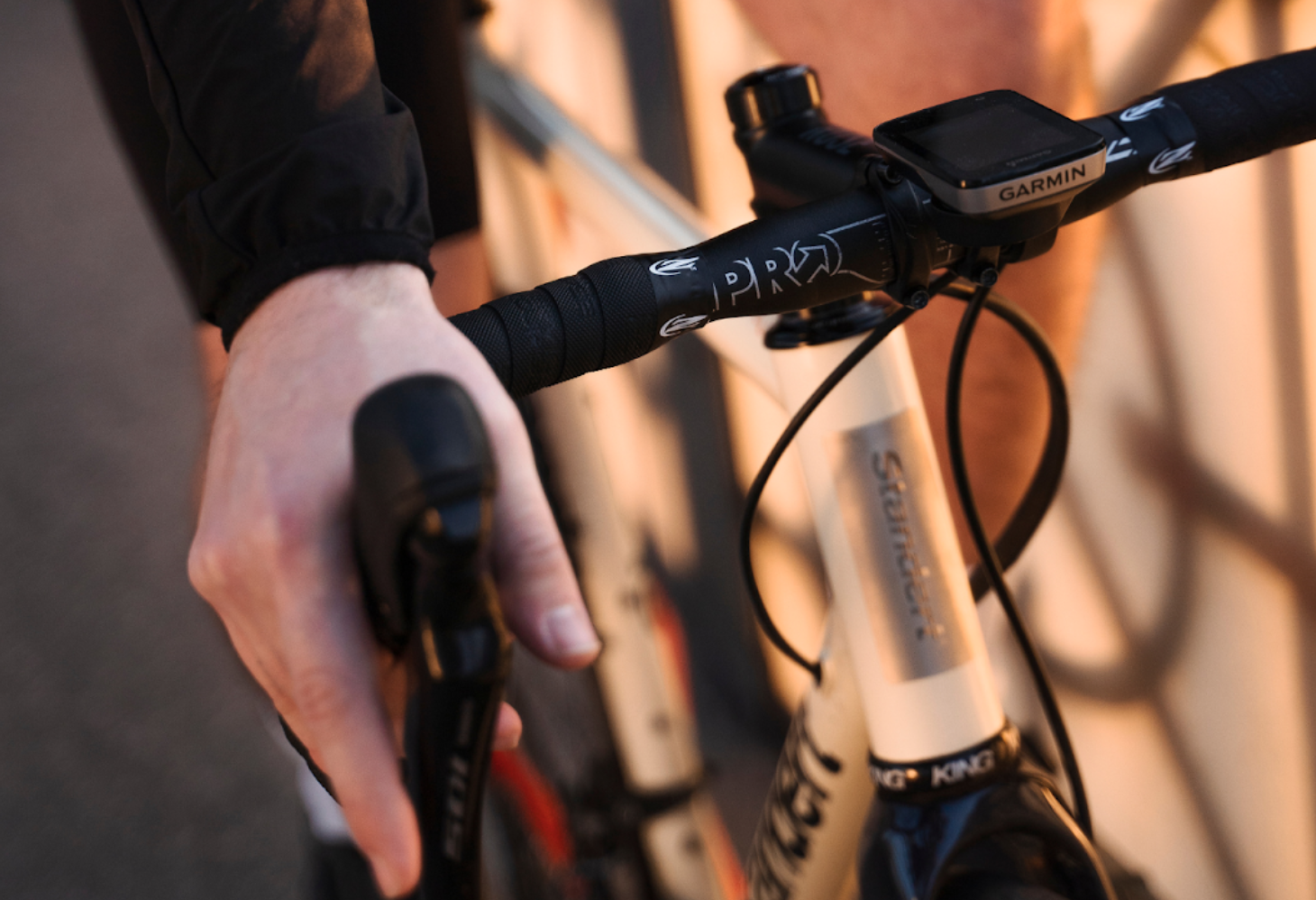
1. What is the difference between a bike speedometer and a bike computer?
If you start to think about data collection and navigation while cycling, you will encounter two terms: Bike speedometer and bike computer. The idea is obvious that behind the expressions are devices with different functions. However, both mean the same thing.
"Colloquially, however, a bicycle speedometer, including an odometer, is often understood as a device for speed measurement." Alice Huot @buycycle
Bicycle computers are seen as GPS-based models that can often also navigate. This is not always the case. A look at the available functions is essential before buying a device, regardless of its name. An alternative to the bike computer can be a smartwatch. Some variants have GPS functions and navigation. These are often very expensive. Whether on the mountain bike, e-bike or as a road cyclist, a bike computer provides real added value for the next bike ride.
2. How do you set the bike computer correctly?
After purchase, the selected bike computer can be attached to the bike. With the help of a usually supplied bracket, the device is usually attached to the handlebar above the headset or in front of the stem. On the one hand, it is a matter of taste where the speedometer should be located.
On the other hand, depending on the bike's design, different positions are better or worse. In addition to the bracket and the device itself, there is usually manual mounting hardware, the appropriate battery, and, if necessary, a spoke magnet and sensor in the scope of delivery. Mounts are usually attached with an O-ring, a firm rubber. No tools are necessary for this. Cable ties are also often used instead of the rubber for mounting.
"Bicycle computers also differ in whether they include a radio connection. Devices with radio connections work wirelessly. Mostly, they are marked with ANT+. Only the spoke magnet, receiver and sensor must be attached to the front wheel." - Anja Benson @buycycle
A cable must also be laid for models without radio, which must be tightly attached to the handlebars and the bicycle frame is fastened. If you have different sensors on the bike, such as measuring the cadence, all must be controlled with the cable. Wireless models are, therefore, easier to install but are often more expensive. In addition, two batteries must be changed from time to time.
If the model is wired, only one battery is needed. Interfering signals can affect radio transmission, as some devices run via standard radio. Many new devices now work via Bluetooth. Wired transmission, on the other hand, succeeds immediately.
"Many bicycle tachometers require manual input of the wheel circumference for configuration. Based on this, the number of revolutions of the tire can be evaluated later." - Anja Benson @buycycle
The best way to measure the wheel circumference is with a flexible measuring tape. Other values that need to be entered can be found in the operating instructions. GPS-based models eliminate the need to enter the wheel circumference and attach sensors. GPS bike computers, therefore, also do not require sensors.
3. What are the functions of bicycle computers?
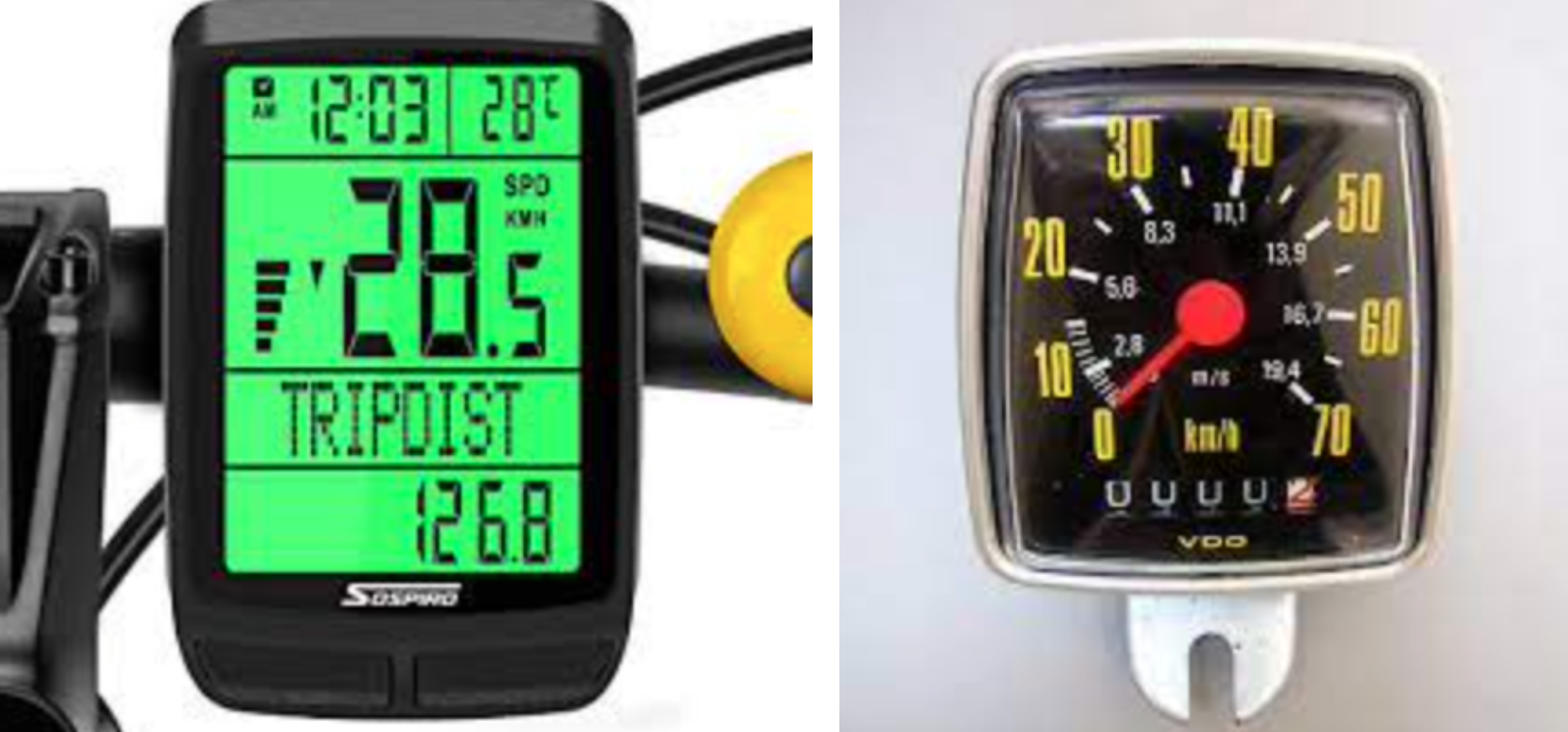
Most standard models primarily determine the speed. This includes data such as the maximum speed or the average speed. The travel time and the kilometres driven are also standard.
Total kilometres are displayed with "odo"; daily kilometres run under "trip". Other possible functions are calorie display, altimeter, temperature display, and measuring the crank revolution, i.e., the cadence.
Cadence is measured as the number of crank revolutions per minute. A low cadence for beginners is around 50 revolutions per minute. Especially for long distances, the ideal cadence range is between 70 and 100 revolutions. A frequency that is too slow puts a strain on the musculoskeletal system.
Muscles and ligaments are strained, which is particularly noticeable in the knees. The cadence measurement is done by retrofitting a cadence sensor on the pedal crank and the rear.
An integrated GPS is usually required to measure altitude meters. There is also the possibility of a barometric altitude measurement.
Pulse measurement is interesting for several reasons. On the one hand, you can better manage your strength and protect yourself from overload if you do not reach a value that is too high for your pulse. Secondly, you can optimize your training if you know when to train in aerobic or anaerobic metabolism.
Models should also be water resistant. As a rule, models are attributed to splash water resistance. You can often find out how well they perform in the rain by reading numerous online test reports before purchasing.
"Stiftung Warentest, for example, offers high-quality reports. GPS-based devices sometimes have the navigation function integrated." - Alice Huot @buycycle
In conjunction with this, routes planned on the computer can be transferred to the device and displayed. Many bike computers offer the option of transferring data to a computer or app. This allows you to keep an even closer eye on your progress. A very popular app for keeping track of one's athleticism is Strava. Some models let you turn a backlight on and off.
The more functions are used in parallel, the more battery the device needs. For this reason, standard models usually last for months without charging or new batteries. Bike computers with very extensive capabilities have a much shorter battery life and sometimes do not last for a day's ride.
While modern models are battery-operated, devices with little function are often powered by button batteries and flat cells. Especially with modern devices, there are always updates that ensure that the system runs stably.
4. What do the abbreviations mean on the bike computer?
Since there are limited display options, values are abbreviated. Total kilometers are abbreviated with "odo", daily kilometers with "Trip". Altitude meters are shown as "ALTI". If a device is advertised as "ATS", it is a wireless bike computer. The ATS wireless system offers radios in up to 70 cm range. The so-called STS wireless system has a more excellent range of 90 cm, which is less susceptible to interference. "CAD" stands for cadence. Near Field Communication, or "NFC" for short, stands for the function of the bike computer communicating directly with the smartphone.
5. How much does a good bike computer cost?
The price range for bike computers is enormously high. After very simple devices with few functions and models with high-resolution displays and navigation are available on the market, these significant differences arise.
Standard bicycle tachometers are already available for about 15€. Modern devices, including various functions, can quickly cost several hundred euros. Models for 500€ or more are available on the market.
It is impossible to name a price as a quality criterion due to the model variance. In principle, however, it does not always have to be the most expensive device if many of its capabilities are not used.
6. What is the best bike computer?
Which bike computer is best suited depends on the individual requirements. Depending on what is important to you, there are different suitable models. Bicycle computers can not only measure data. You can better track development in your own form or training goals through their course.
So, before the search for the ideal model starts, a preliminary consideration is needed. Do I want to train in a more targeted way? Then, transferring data to a computer or app is interesting, as it provides an overview of all the data. In addition, the device should be able to be supplemented by a heart rate belt. Do I want to check my performance without pursuing a specific goal?
An inexpensive model with standard functions might be enough. Is navigation from A to B vital to me? A GPS-based device with the appropriate function is the right choice. Do I drive in the wind and the weather? Resistance to various weather conditions is one of the purchase criteria here.
The bike computer must then be advertised as waterproof. Other factors, such as the operation or the display, are very individual. Often, in the first place, there is the question of price. Since devices with all conceivable functions go hand in hand with a hearty grip on the wallet, we offer a more in-depth guide in the form of a bike computer comparison in the lower part of the article.
7. What bike computers do the pros have?
The purpose of the bike computer is also important for professional cyclists. Here, the focus is often on checking one's own performance. Professionals often receive sponsored devices from advertising partners.
Big brands like Garmin or Wahoo equip them. Expensive top models and new releases are usually placed. There is little value in going by these. After all, the needs of a competitive athlete are usually different than those of a hobby cyclist.
8. What are the models?
Various manufacturers have made a name for themselves because of their bike computers. These include Garmin, Polar, Sigma, Ciclo Sport, Wahoo, FORTRY, ICOCOPRO or Marwi. In the following, some models are presented together with their functions.
Whether for daily use, to target training goals in a planned manner or to be prepared for weather changes during long rides, the market offers suitable devices for every demand.
The prices mentioned are based on the current amount shown on Amazon. Of course, not all excellent bike computers can be listed here. If you are missing a model you are considering buying, this does not necessarily have anything to do with the device's value.
Standard models for everyday driving
Sigma BC 500: The most important functions are displayed by this wired bike computer. For beginners, it is usually worth relatively inexpensive models like this. You can buy it for as little as €10.
ICOCOPRO bike computer: Besides collecting all the basic values, this model is not only splash-proof but also completely waterproof. Thanks to the possibility of backlighting, it can also be used in the twilight and night without any problems. In terms of price, the Icocopro is around 25€.
Sigma BC 9.16: Lightweight, standard values and splash water protection are what this device promises.
Sigma BC 12.12: The Sigma BC 12.12 is a good entry-level model. Here, the data collected by the sensor is transmitted to the device via cable. The BC 12.12 measures average speed, maximum speed, daily, and total riding time and distance. It is priced at around 20€.
Sigma Sport Pure 1: Standard values are shown in a three-line function display. Common tyre sizes are already pre-programmed, so the appropriate ones only need to be selected. Easy handling and mounting are further plus points. It is also available wirelessly for about 25 €.
Other popular standard models with the most important functions are for example, the Ciclosport CM 4.1, VDO M1, VDO M2, or the Sigma Sport 5.16.
Multi-talents with further functions
Sigma BC 14.16 STS: With 14 functions and radio technology for wireless transmission of the collected data such as speed, distance, slope and average values. The Sigma BC 14.16 STS can be used on two bikes. He is available for 30€.
Polar M460: Both GPS and altitude measurements are available alongside the basic values. Analysis functions are integrated to track one's own training goals. It is available with extended cycling metrics for 200€.
Cycplus M1: The GPS-based computer has a large display and barometric altimeter. It works wirelessly and can be paired with external sensors. In terms of price, it is around 50€.
VDO M5: The wireless device includes a heart rate monitor and cadence monitor and can be used on two different bikes.
Ciclo Sport CM 4.4: Besides the standard values, the device also measures the altitude and has an integrated speedometer and thermometer. It is corded. Plus, points are given for accurate measurements, easy handling, and clear display. The Cyclo Sport CM 4.4 costs about 20€.
Other popular bike computers with various features include the Sigma 16.12, Ciclosport CM 2.21, Sigma 14.16, VDO M6.1 or Sigma Rox 6.
All-rounder with integrated navigation system
Garmin Edge Explore: The GPS bike computer offers a navigation function, a touchscreen and a large display. For a navigation device, this model is very light and compact. It can be paired with a smartphone and is also around 200€.
Tahuna Teasi One4: Wireless, this model offers the most important functions in addition to measuring heart rate and cadence. Routes can be calculated quickly. Sensors can be connected via Bluetooth. A large display with a touchscreen shows the pre-installed map of Europe, and you can also call up routes that have already been planned. Six different profiles support cycling, hiking, and skiing. For around 150€, a great price-performance ratio is offered here.
Falk Tiger GEO: The Falk Tiger GEO bike computer offers maps for Europe and is suitable for biking and hiking. It works with a touch screen and is waterproof. The next better model "Tiger Pro" also includes a premium map of Germany. The best model, the "Tiger Blu", also works with Bluetooth. The basic model "Geo" is around 75€ in terms of price.
Sigma Rox 11 GPS: There are different models here. The basic model starts at a price of about 170€. For this, you get a powerful computer with classic functions, a thermometer, and an altimeter. Navigation is done without a real animated map. Sensors are controlled via Bluetooth. For about 100€, you get a cheap model despite the ability to navigate.
Other popular models with integrated navigation are, for example, the Garmin Edge 1030, Garmin 820 or Sigma Rox 7.
Before buying, there are a few things to think about. In addition to the desired range of functions, you have to decide whether cable or wireless transmission, whether the data should be transferable to a computer or an app, whether navigation is required, whether heart rate and cadence should be measured during the bike tour and, of course, the price you are willing to pay.
Manufacturers often offer models with very similar designations. Sometimes, a different number at the end of the model name can cause profound function differences. A very close look is essential here.
Considering all these factors when buying, the selected bike computer can bring real added value. Not only does it provide useful support for achieving training goals, but It also brings a lot of fun and motivation to observe its own data. The buycycle-team will be happy to help you with any bike-related issues. Until then, we wish you happy browsing and happy cycling!
Components guide
- Bike components guide: what are the parts of a bike?
- What bike parts to upgrade first?
- How much do bike parts cost?
- Where to buy bike parts?
- What are the main gravel bike parts? Check out our guide to gravel bike components!
- What are the main mountain bike parts? Check out our guide to mountain bike components!
- What are the main road bike parts? Check out our guide to road bike components!
- How to convert a road bike to a gravel bike? Is that even a good idea?
- All things suspension travel
Gearing system
- Everything you need to know about the Shimano Di2
- Shimano Claris review: lifting the lid on the Shimano’s most accessible road bike groupset
- All about the Chinese L-TWOO eRX shifting group
Wheels and tires
- Tubeless tires - What are the advantages?
- Going Tubeless
- Gravel tires on road bike: A genius move or a misguided choice?
- Schwalbe tires recycling
- Everything about the tire size of your bike
Breaks
Pedals
Saddles
- Best MTB saddles: saddle up for the trails
- Best road bike saddle: the seats that can’t be beat
- How to calculate your ideal saddle height
Bags
Electronics
- The best bike gadgets 2024
- The buycycle bike computer test
- Everything about road bike gears
- The bicycle power meter
Bike Maintenance
Others