Clipless pedals: Everything you need to know

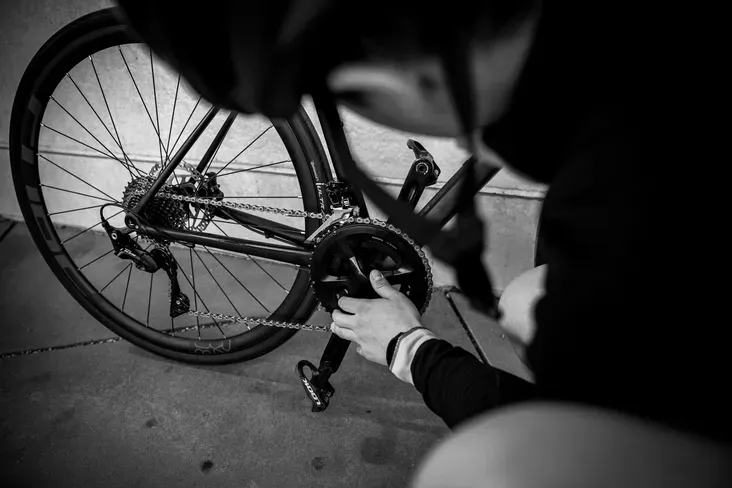
At first glance, clipless pedals might confuse, but every cyclist at any experience level can benefit from installing them. Thanks to the implementation of clipless pedals, all cyclists who use road bikes, mountain bikes, or e-bikes will experience enhanced performance.
We'll examine clipless pedals, including how they function, their reasons for switching, and their appropriate applications. The article also provides a breakdown of clipless pedal types, compares models, and recommends beginner-friendly selections.
1. What are clipless pedals?
Click pedals are the modern answer to strap pedals found a few decades ago among competitive cyclists in the racing bike sector. What then had to be tightened awkwardly by hand now works by pure foot movement. Clipless pedals can be mounted on the crankset instead of the classic platform pedals.
Matching bicycle shoes can be snapped onto the pedals. Click pedal systems work according to a uniform principle. There is a spring-loaded clip in the pedal. The shoe's matching counterpart is a cleat, also called a cleat. If the cleats on the shoes press on the clipless pedals, they lock into place.
If you turn the shoe, the spring in the pedal relaxes. The fixation is released. The release hardness can be adjusted on the pedal. This refers to the force needed to click out of the pedals. A screw on the top of the pedal regulates the release hardness. If the screw is turned clockwise, the release hardness increases. Turned the other way, it decreases.
"It is essential to purchase compatible clipless pedals and cycling shoes. Different manufacturers rely on different threads within the cleats." - Alice Huot @buycycle
In addition, there are differences between road bike shoes and mountain bike shoes, along with the pedals matched to them. For clipless pedal newcomers, the promising system often seems threatening. In hectic situations, the feet can not be brought to the ground as quickly as one is accustomed to conventional pedals.
The question often arises whether the risky gadget is even legal. There are no legal regulations that speak against the use of clipless pedals.
The only thing that remains is subjective uncertainty. Anyone who rides unpracticed with clipless pedals risks tipping over with the bike. Those who are convinced of the advantages of clipless pedals, despite doubts, will no longer have any worries after a short familiarization period.
The way they work becomes automatic. Falls due to clipless pedals are instead an exception. So, unlike standard pedals, the shoes are fixed while cycling. As a result, the entire pedaling force is converted into propulsion. If one leg pushes the pedal down, the other pulls the clipless pedal up.
"This process is called the round pedal. It brings an optimal power transmission with it. The performance increases. Unlike standard pedals, there is no empty travel." - Alice Huot @buycycle
2. When are clipless pedals worthwhile?
Click pedals offer cyclists some advantages. Thanks to the fixed connection, they enable the so-called round pedal, which means the pedals are not only pressed down during the ride but also pulled upwards.
However, it is a myth that clipless pedals permanently help to achieve a round pedal stroke during a ride. In the long run, pedaling and pulling the pedals would take up a disproportionate amount of energy. Science provides little clear evidence that clipless pedals are more efficient than platform pedals.
Nevertheless, anyone who has tried clipless pedals will notice an improvement in their performance.
Clipless pedals improve the use of the entire leg muscles and allow for a more easily variable cadence. In addition to optimal power transmission, fixed footwear provides improved posture. Since the feet cannot be moved, their ideally precisely tuned, healthy position is maintained. Along with the handlebars and the saddle, the pedals are one of the points of contact between the bike and the rider.
As such, they significantly influence body posture. For a pain-free, high-performance ride, the balls of the feet should be positioned centrally over the pedal axles, parallel to the crank. On the bike shoes, the cleats can be moved up or down a few millimeters to allow for individual adjustment.
Many athletes find it difficult to maintain the ideal position, and slipping is inevitable. Exhausted muscles can also lead to a relieving posture, which is disadvantageous for the entire body. Clipless pedals prevent this. The prerequisite, however, is that value is placed on the appropriate foot posture during installation. For this, an additional look at the other contact points between the rider and the bike is worthwhile.
The saddle height and the handlebars, including the stem, offer room for optimization.
Even bicycle frames that are unfavorable for the rider can be adjusted in this way. If the rider is not in an optimal position, knee problems usually follow.
Clipless pedals stabilize the rider during passages covered out of the saddle. This includes the main sections of the route in which the slope is climbed or descended. In bumpy trail descents, the shoes come off the pedals at times, and thanks to a click, the system remains stable and secure. Click pedals are often tiny and light. Thus, weight is saved, which is particularly interesting for road cyclists.
Some tricks are easier to learn with clipless pedals. In MTB riding, there is the so-called bunny hop. First, the front wheel, then the rear wheel, is released from the ground. Obstacles can be quickly jumped over in this way. If the feet are fixed to the bike, this can be lifted much better and higher.
"If the rear wheel is to be moved, this also succeeds more accurately with a clipless pedal system. Generally, better control over the bike is given for jumps of all kinds. The fixation of the pedal and shoe also brings disadvantages." - Anja Benson @buycycle
The foot can only be removed from the pedal after disengaging. There is a risk of falling in the event of accidents, red lights, at your own front door, or other turbulent moments. Beginners risk injuries due to delayed disengagement. Experienced handling of clipless pedal systems is indispensable, particularly on mountain bikes. Falls are part of wild trail descents.
To roll off correctly, you must release the pedals in time. Running with clipless pedal shoes in the forest is challenging because the cleats are rather slippery. Also, the pollution caused by mud can become a problem on the trails. Re-clicking is much more difficult if you have once clicked out and have dirty cleats.
A soft setting and beginner-friendly pedals can prevent a fall. In addition, the Ausklicken, after some practice, becomes an automatism.
Although falls can occur in careless moments, they are generally the exception. Those who want to switch to clipless pedals must expect higher acquisition costs than with standard pedals. Most clipless pedals can only be used in conjunction with the appropriate footwear. Regular cycling shoes without integrated cleats do not get a proper grip because clipless pedals usually have surfaces that are particularly small in appearance.
On the one hand, there are combination pedals, which allow click pedal shoes to be engaged and, on the other hand, allow driving with normal shoes. Since clipless pedals are generally not combinable with all clipless pedal shoes, it is essential to pay attention to compatibility before buying.
In summary, clipless pedals are worthwhile for ambitious cyclists who want to increase their performance. Whether on a road bike, mountain bike, cyclocross, cross country, trekking bike or gravel bike. Anyone who spends much time on the bike and wants to get everything out of a tour will find fun in clipless pedals. However, you become faster and more powerful through training, not through an optimized bike.
3. What clipless pedals are there?
Clipless pedals can be used in various applications. The market offers different models geared to meet diverse requirements. The differences between the various clipless pedals are explained below.
Combi pedals
Combination pedals can be driven on different types of bikes. They are often seen on road bikes and mountain bikes. The special thing about combi pedals is that they can be used as clipless pedals and normal platform pedals. One side of the combi pedal has the click system integrated. The other side provides a standing surface. This can be used with any footwear.
Clipless pedals with a small footprint
Clipless pedals can have tiny footprints. This saves weight without sacrificing the rider's life.
Click pedals with large footprint
Pedals with particularly large footprints are particularly suitable as MTB clipless pedals. Large footprints favor a better stand, whether hardtail, enduro, or freeride.
Clipless pedal systems
Various click pedal systems are available on the market. So, before buying, it must be ensured that the click system on the pedal is compatible with the cleats on the bike shoes. Common climate systems are from Shimano PD, SPD, SPD-SL, and Look Keo. While SPD pedals are more common in the MTB and trekking areas, you can find click systems of SPD-SL and Look Keo more on road bikes.
Clipless pedals for the road bike
Mainly on road bikes, you want to save weight wherever possible. With clipless pedals for the road bike, one relies on models with small footprints, which should be very light. From the manufacturer Shimano, the click system SPD-SL has proven itself. From the manufacturer, look at the Keo. The Shimano SPD-SL, as well as the Look Keo, offer lightweight clipless pedals and yet have slightly larger footprints. This offers the driver more stability. Speedplay manufactures clipless pedals that can be engaged on both sides of the foot.
Clipless pedals for the mountain bike
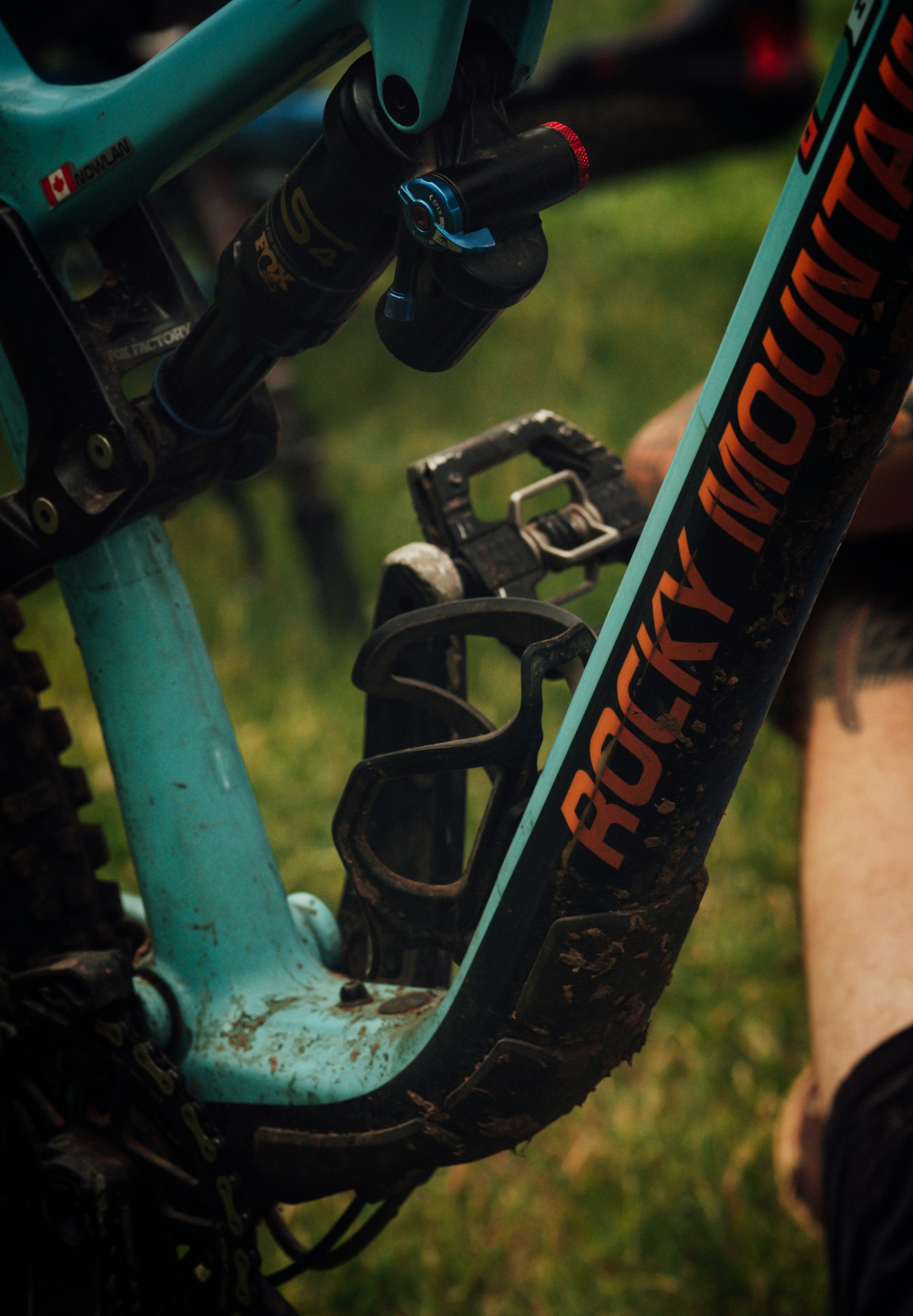
MTB pedals feature sturdy materials and large footprints to meet the demands of the terrain. The Shimano SPD system has proven itself in the mountain bike sector. The manufacturer Crankbrothers produces the so-called Eggbeater pedals. They are also popular mountain bike pedals since dirt settles only with difficulty. The pedals from Time ATAC offer similar advantages.
4. What are the best clipless pedals for beginners?
For beginners and people with knee problems, it is worth setting the release hardness on the pedal low. This makes it easier to release the shoes from the pedals. Gradually, the release hardness can be adjusted. Many skilled clipless pedal users prefer particularly hard-set pedals.
Before buying clipless pedals, you should also consider the freedom of movement. In technical jargon, a float means the angle you can turn your foot before clicking out. If you already have knee problems, focusing on more freedom of movement is advisable.
"The Shimano SPD click system is well-suited for beginners. It is used primarily in mountain biking and trekking. The cleats are kept relatively flat so that they interfere less when walking." - Anja Benson @buycycle
Shimano SPD clipless pedals can adjust the release hardness particularly softly. LOOK, clipless pedals have their release hardness specified by so-called blades. If you want to change the hardness, you must purchase new blades. These blades are available in various strengths, measured in Newton meters. Shimano SPD SL is a click system specifically for road bikes.
The release hardness can be adjusted on a screw on the pedal. The LOOK Keo is also popular among road cyclists. Click pedal shoes are available in a wide variety of price ranges.
The perfect shoe should not be too small. In addition, there are differences between mountain bike and road bike footwear.
Before buying, it must be clear which type of bike the shoes will be used for. Weight, anatomy, and material affect the price and create a wide range from entry-level models to high-end shoes.

5. Which clipless pedals are worthwhile?
Mountain bike clipless pedals
The Shimano PDM520 is suitable for beginners and mountain biking. It is inexpensive, making it ideal for a clipless pedal novice to try out the benefits of this system.
You can find them, especially in the cross-country and race sectors. An example is the Shimano Deore XT PD—M8100 pedal. Shimano T421 are combination pedals. The Time ATAC MX8 Carbon is among the high-end pedals for off-road. XLC builds clipless pedals with both SPD and Look systems. Other interesting manufacturers of MTB clipless pedals are HT, Magped, and Hope.
Road bike clipless pedals
The inexpensive Shimano SPD SL PD R540 pedals are suitable for entry-level road cycling. Ambitious road cyclists, however, will find these pedals too heavy. The Look Keo 2 Max has a good price-performance ratio. In the high-end range for road cyclists is the Speedplay Zero. From Look, the X-Track Race pedals are made of carbon. They are incredibly light and are just as far ahead of clipless pedals for the road bike.
6. Are there road bike pedals without a click?
Even if clipless pedals are very popular in the road bike sector, there are also small pedals without a click. For example, city or trekking pedals can also be mounted on a road bike. They are also relatively small and light. Grip is to be generated by non-slip rubber inserts on the standing surfaces.
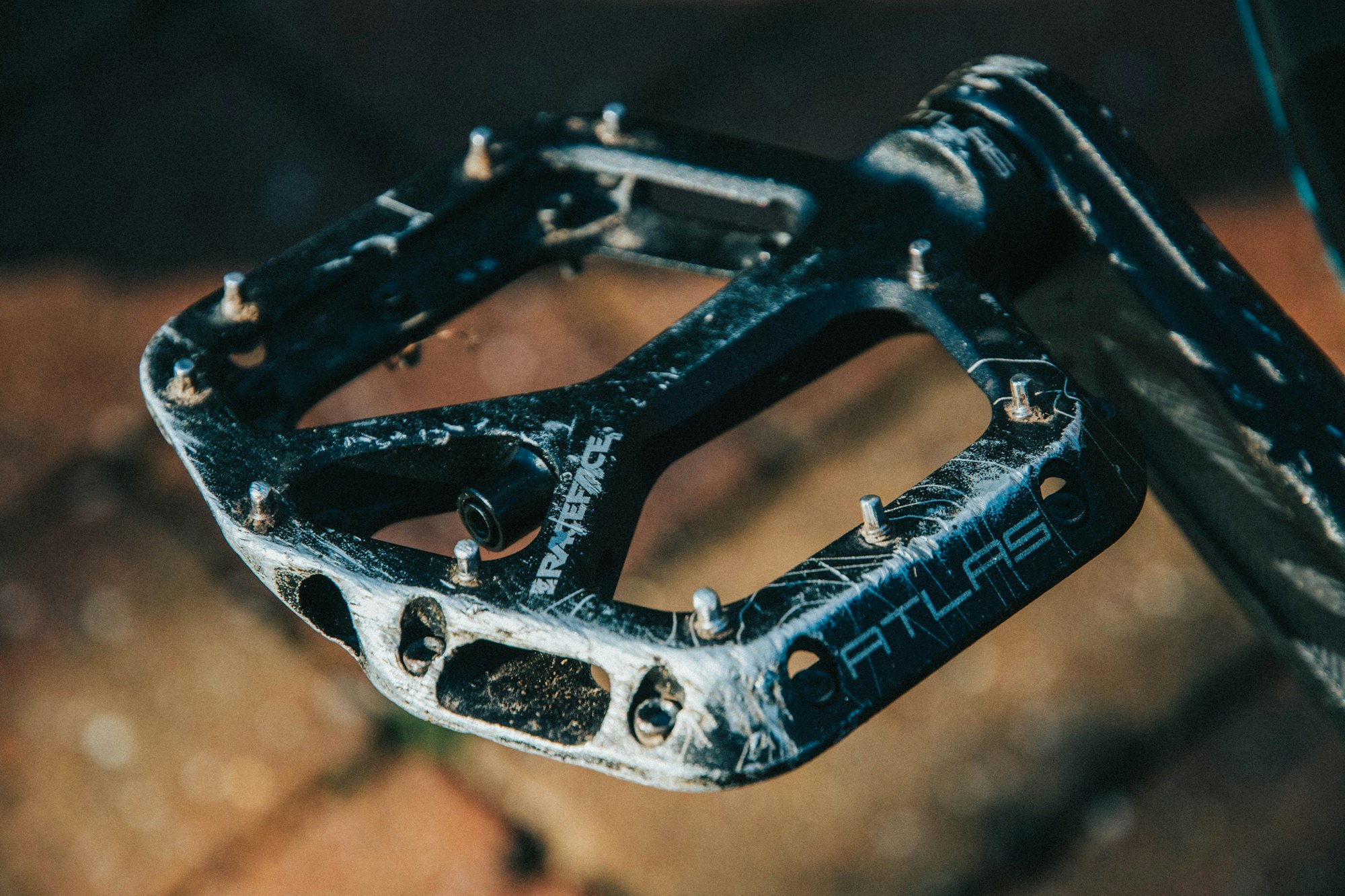
The general name for pedals without a click system is platform pedals. Bear paws, also called flat pedals, are broad, sturdy pedals. They contain prongs and metal pins on the standing surface. Shoes with profile have a particularly good grip during the journey. If you ride a road bike and want to slowly get used to riding with clipless pedals, you can first mount combination pedals and ride them with MTB clipless pedal shoes.
"As a click novice, learning the process with MTB shoes is easier. MTB click shoes have a softer sole than road shoes, and the cleats are recessed in the sole, as they are smaller than in road shoes." - Alice Huot @buycycle
Running is easier with MTB shoes. In addition, the force it takes to click in can be adjusted lower. Incidentally, some systems are suitable for both MTB pedals and road bike pedals.
In the road bike sector, you will hardly find an ambitious athlete who rides without a clipless pedal system.
Road cyclists like the many advantages of clipless pedals, such as the lighter weight, ideal foot positioning, and better acceleration. By not slipping off the pedals, a higher cadence can be achieved. Climate systems are standard for road biking.
7. Can I ride clipless pedals on the e-bike?
Doubts about whether clipless pedals suit the E-bike have their raison d'être. After all, you have to be particularly careful when riding an E-bike. A delay in putting your foot down can hurt here. E-bikes are usually heavier and accelerate faster than conventional bikes of any kind.
Nevertheless, clipless pedals on e-bikes make perfect sense. Because e-bikes are heavier, clipless pedals can provide more stability and safety when accelerating.
What are the benefits of clipless pedals?
They promise better performance and optimum posture. And even if, at first glance, the shoes of some cyclists seem original, more and more athletes are using models with integrated cleats.
What can be disadvantageous when running brings various advantages on the bike. Integrated cleats allow the footwear to be connected to clipless pedals. As a result, more power is converted into propulsion while cycling. In addition, the fixation helps to maintain an optimized posture.
Click pedals bring added value, not only in the road bike sector. There are clipless pedals on the market that are adapted to the needs of different types of bikes. Whether MTB or city bike, in various disciplines, you benefit from the positive aspects of the system pedals.
The fear of increasing their risk of injury by the foreign system is repeated among clipless pedal newcomers. Delayed dismounting poses a particular danger in hectic situations.
"Beginner-friendly models and gentle adjustments can make using the winning bicycle pedals easier. Essential facts and proven models will be found here for those for whom the conversion is worthwhile." - Alice Huot @buycycle
Of course, you can now mount clipless pedals on your bike at home. Or you can get a new bike on our site. There, you will find your new dream bike—whether with or without our team, which is always there for you. Until then, we wish you happy browsing and cycling!
Components guide
- Bike components guide: what are the parts of a bike?
- What bike parts to upgrade first?
- How much do bike parts cost?
- Where to buy bike parts?
- What are the main gravel bike parts? Check out our guide to gravel bike components!
- What are the main mountain bike parts? Check out our guide to mountain bike components!
- What are the main road bike parts? Check out our guide to road bike components!
- How to convert a road bike to a gravel bike? Is that even a good idea?
- All things suspension travel
Gearing system
- Everything you need to know about the Shimano Di2
- Shimano Claris review: lifting the lid on the Shimano’s most accessible road bike groupset
- All about the Chinese L-TWOO eRX shifting group
Wheels and tires
- Tubeless tires - What are the advantages?
- Going Tubeless
- Gravel tires on road bike: A genius move or a misguided choice?
- Schwalbe tires recycling
- Everything about the tire size of your bike
Breaks
Pedals
Saddles
- Best MTB saddles: saddle up for the trails
- Best road bike saddle: the seats that can’t be beat
- How to calculate your ideal saddle height
Bags
Electronics
- The best bike gadgets 2024
- The buycycle bike computer test
- Everything about road bike gears
- The bicycle power meter
Bike Maintenance
Others