buycycle first aid for your next flat tire

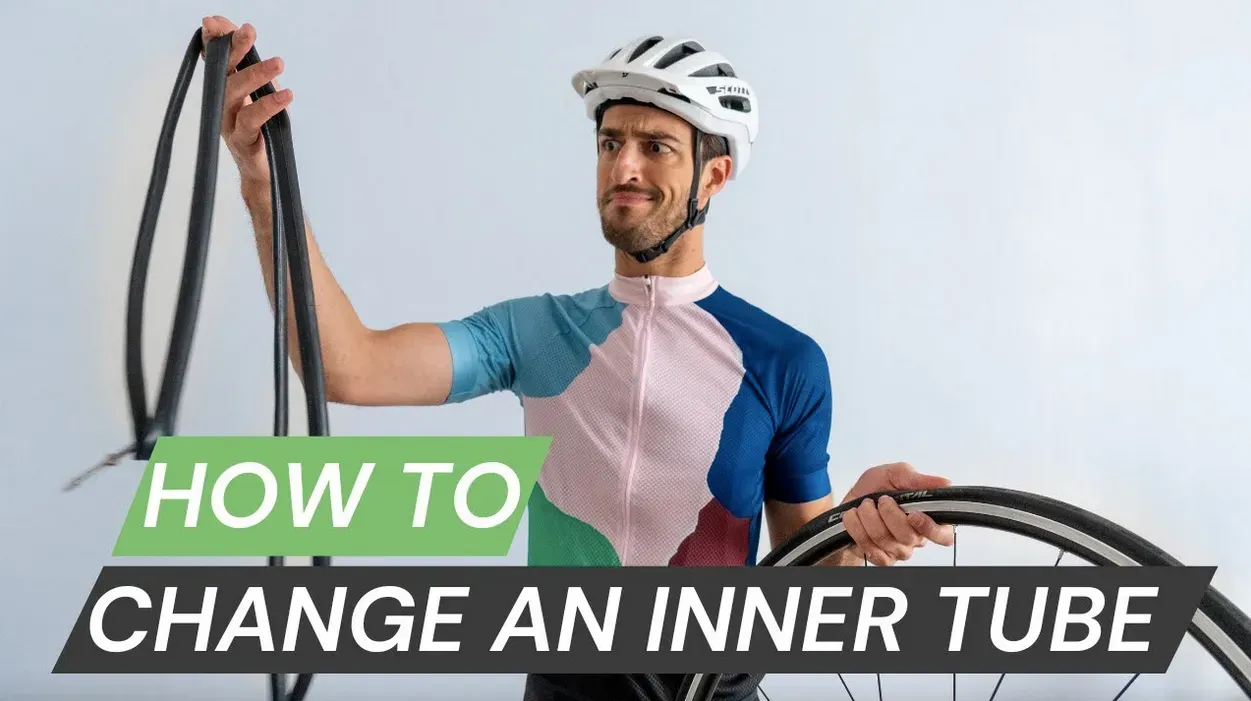
Changing and repairing a flat tire
A flat tire has probably happened to every cyclist at some point. With the repair, we struggled accordingly. But it's not as difficult as you sometimes make it: At the latest after this post, you'll swear a little less the next time you slowly "Pffffffffffffft" your tire.
First of all, let's talk about the tools you need. You only need:
- Tire lever
- Pump
- New hose (obviously)
Now you can get started:
1. Let the air out of the hose. Depending on the valve, you must proceed differently here.
2. Push the tire in direct contact with the rim towards the center of the rim. This makes it much easier to remove the tire.
3. Now take one of the tire levers and insert the hooked end of the lever on the opposite side of the valve under the bead of the tire and slowly pull it over the edge of the rim. Usually, you can slowly pull the lever along the rim to remove the rest of the tire. However, if the tire is too tight, you can place the first lever on a spoke, take another lever and repeat the process 5 cm next to the other lever. Now the tire should be loose enough to be removed.
4. Examine the inside of the tire to see if anything sharp is still stuck there that could have caused the tube's puncture. If the tape inside the tire is damaged, you will need to remove the entire tire and replace the tape. You can now remove the damaged tube.
5. Take your new hose and pump it up slightly.
6. Starting at the valve hole, insert the valve and carefully push the tube into the tire.
7. Then start again at the valve and carefully pull the other side of the hose into the tire.
Pushing the tube into the tire may be difficult once you reach the opposite end of the valve. Depending on how tight the tire is, you may be able to do this manually, but if not, you can use a tire lever again. - Alice Huot @ buycycle
9. Instead of the hook side you used to remove the tire, you will use the back side of the hook to push the tire bead into the rim. Be careful not to pinch the tube. If you notice that the tube is pinched, stop levering and carefully try to push the tube back.
10. Once you have put the tire back on, go around the wheel once to ensure the tube is not pinched between the tires.
11. Finally, inflate the tube to the recommended pressure, which is often indicated on the tire's sidewall.
12. Small tip: If you have inflated the tube and notice that the tire bead is not sitting quite straight on the rim, you can deflate the tube, push the bead back a little, spray some soapy water in the area where the bead is not sitting straight on the rim, and inflate the tire. The bead should press in properly.
That's it. Mount your bike again and you're ready to go! If you still have questions, you can always contact the buycycle team. Until then, we wish you happy fixing and cycling!
Components guide
- Bike components guide: what are the parts of a bike?
- What bike parts to upgrade first?
- How much do bike parts cost?
- Where to buy bike parts?
- What are the main gravel bike parts? Check out our guide to gravel bike components!
- What are the main mountain bike parts? Check out our guide to mountain bike components!
- What are the main road bike parts? Check out our guide to road bike components!
- How to convert a road bike to a gravel bike? Is that even a good idea?
- All things suspension travel
Gearing system
- Everything you need to know about the Shimano Di2
- Shimano Claris review: lifting the lid on the Shimano’s most accessible road bike groupset
- All about the Chinese L-TWOO eRX shifting group
Wheels and tires
- Tubeless tires - What are the advantages?
- Going Tubeless
- Gravel tires on road bike: A genius move or a misguided choice?
- Schwalbe tires recycling
- Everything about the tire size of your bike
Breaks
Pedals
Saddles
- Best MTB saddles: saddle up for the trails
- Best road bike saddle: the seats that can’t be beat
- How to calculate your ideal saddle height
Bags
Electronics
- The best bike gadgets 2024
- The buycycle bike computer test
- Everything about road bike gears
- The bicycle power meter
Bike Maintenance
Others