How to train for bikepacking? Our best bikepacking training plans!
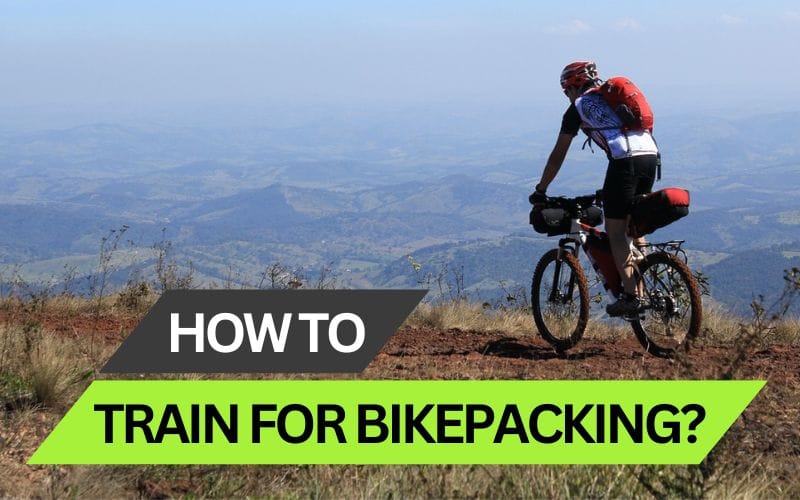
How to train for bikepacking? When it comes to bikepacking, the best approach is to be prepared. This doesn't always mean having the correct gear. It’s also important to condition your body. To do this, it’s good to start your bikepacking training.
In this article, we will explain everything you need to know about defining your goals, what you need to consider when creating your training plan, and some ideas for a training plan. Let’s go!
Why is training for bikepacking important?
Training makes a huge difference when it comes to bikepacking. It’s not always because you want to be faster, stronger, or get places quicker. It's about much more than that. Here are the reasons we feel it’s so important.
- It can make it much more enjoyable.
- Builds confidence before an adventure.
- Much less suffering through the miles.
- It helps reduce the risk of injury.
- It makes you much more comfortable when riding.
- Easy to carry the load on the bike.
- It makes the work much more manageable. Setting when riding.
Although it might seem like it takes a lot of time, the training is entirely worth it, and when you go on the adventure, you will be so glad you did it.
1. Defining your goals
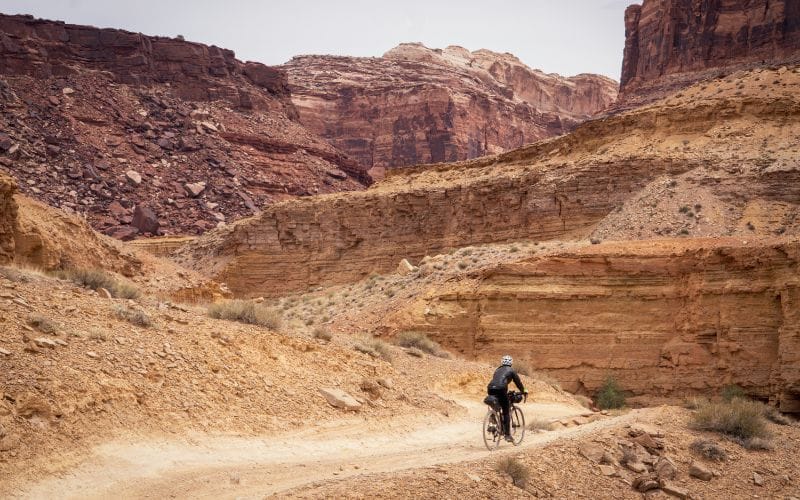
The first and one of the most important steps is to define your goals when training for bikepacking or bike touring. It isn't easy to train for something when you don’t know what you are training for. If you are planning a weekend getaway, the training will be completely different from that for an around-the-world trip.
"I always recommend thinking about what you want to achieve beforehand. Setting a goal is very important. You wouldn’t often drive a car if you didn’t know where you wanted to go. It’s the same principle." - Anja Benson @buycycle
You might want to enter a bikepacking event that has a route or checkpoints already set up, or you might want to create your own adventure and explore places that interest you.
The most important aspects to consider are distance, elevation, and the conditions you will encounter. With that information, you can design a great training plan to prepare you for anything.
2. Establish your training time
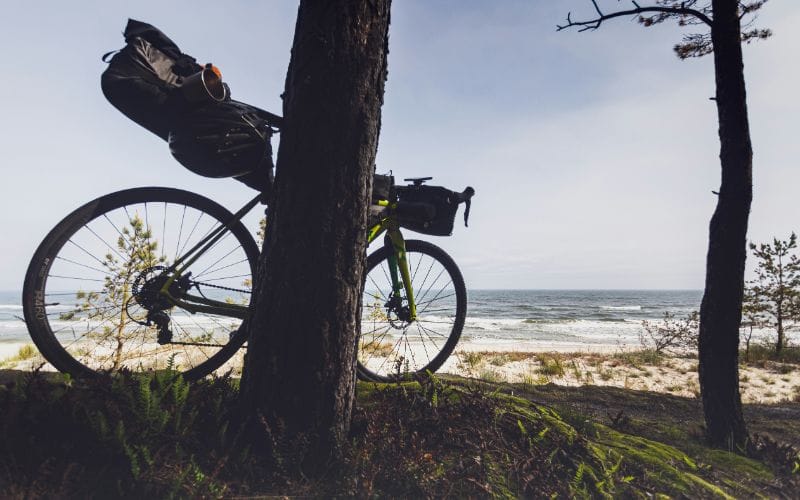
Next, it’s important to establish training time. You might have a hectic lifestyle and only have 5 hours a week to train, or you might have a lot of spare time and have 15 free weeks. Whatever your time budget, it’s possible to make anything work.
The ideal time differs depending on what you are training for and who you are, but generally, 5 hours is just enough, 10 is good, and 15 is amazing! Once you have established that, it’s time to start speaking at training programs.
3. Follow the right training plan for bikepacking
Next, let’s discuss training plans and what we recommend you do to get the best results from your training. We will discuss training types you can do and then give beginner and intermediate plans for different amounts of time you have.
Different types of training for bikepacking
To start, it’s good to discuss the different types of training you can do that will give you the best benefits. There’s a strong misconception that it is all about the amount of time on the bike, but many have found that’s not always the case.
Endurance cycling
The most effective training is endurance cycling. These are those 2 —to 8-hour rides where you can keep the pace low and get used to riding like you would when you are away bikepacking. They are best done outdoors on the bike you are going to use.
Power training
Big miles grow endurance, but power training grows leg strength and builds that engine that will power you up climbs carrying all the extra gear you will need. It is best done on a stationary bike or turbo trainer.
Strength and conditioning
The benefits of strength and conditioning for bikepacking are huge. Exercises such as squats and lunges that strengthen the muscles, ligaments, and joints help prevent injuries and increase endurance and strength.
Stretching
As cyclists, it is easy to neglect stretching over time, but it helps you stay comfortable and offset some of the adverse effects of sitting on a bike for a long time each day. A lot of ultra cyclists find they stretch a lot on races.
Beginner training plans for bikepacking
Let’s start with the beginner's plans. We have designed some for beginners, starting with 5-hour plans and then going into 10-hour and 15-hour plans. Here’s what you need to know.
5-hour training plan for bikepacking
10-hour training plan for bikepacking
15-hour max training plan for bikepacking
Intermediate training plans for bikepacking
Next, we have the intermediate plans, which will be for bikepacking with a little more experience or for those who want to push themselves to be faster or more efficient.
5-hour training plan for bikepacking
10-hour max training plan for bikepacking
15-hour max training plan for bikepacking
Bikepacking race training plan
A bikepacking race training plan is an entirely different experience from traditional bikepacking preparation. While you can use any of the plans above, other factors are very important to focus on.
Limiting time off the bike
It’s vital to limit time off the bike when bikepacking. To compete, it’s not just about riding quickly and well but also about ensuring those food and water stops are quick and efficient. The key is to get into a shop knowing what you want and get out quickly.
Riding at night
Another factor in racing is riding at night. It’s not avoidable if you want to finish quickly, but practicing riding at night and getting confident in the darkness can make a difference.
Nutrition
When you are doing typical bikepacking, you can eat what you want, and providing it’s enough, you will typically be okay. Eating the right foods at the right time is very important when racing. Practice nutrition and work hard to stay well-fueled.
When do I start training for bikepacking?
There’s no time like the present to start training to go bikepacking. Remember, the better you prepare, the better your adventure will be! If you plan to participate in an event such as a bikepacking race, make sure to use a bikepacking race training plan!
You can also visit our shop for amazing deals on preloved bikepacking bikes and much more!
Bikepacking
- What is bikepacking?
- What is a touring bike?
- What is a touring bike?
- What is bike touring?
- What is the best bicycle for long-distance touring?
- Bike touring gear essentials: our ultimate bike touring gear list
- How to choose a bike for bikepacking?
- How to plan the perfect route
- How to start bikepacking? Our beginners guide to bikepacking
- How to train for bikepacking? Our best bikepacking training plans!
- How to train for bikepacking? Our best bikepacking training plans!
- Instagram's most famous bikepacking routes
- Instagram's most famous bikepacking routes
- The perfect tent for your successful bikepacking adventure
- The ultimate bikepacking gear list - What to bring on your next bikepacking adventure
- Top 5 best gravel bikes for bikepacking in 2024
- Where to sleep while bikepacking: how to choose the right shelter!
- How do I plan the perfect route for my bike tour?
Cycling the world
- By bike through Eastern Europe
- Copenhagenizing: Berlin Edition
- Europe by bike - part 1
- Europe by bike - part 2
- Balkan Voyage
- The most affordable cycling cities in the United States
- Discover the most beautiful US cycling rail trails
- Top 10 most popular cycling cities 2024 according to Google
- Most popular haunted trails in the U.S. according to Google
- Most romantic cycling cities for couples
- Cycling adventures along most picturesque vineyard paths in the U.S.
- How bike-friendly is Paris?
- Copenhagenizing: Paris
- Top US cycling destinations for 2024 by Sam Boardman
- The best destinations for thrill-seekers in the US
- Which US states are the most geared up for cycling?
- Discover the world's most affordable cycling cities
- Top 10 cycling cities in the U.S. for 2025 bucket list
- Top 10 Mountains in the U.S. for High-Elevation Cycling
- Best spanish winter cycling destinations