The ultimate bikepacking gear list - What to bring on your next bikepacking adventure
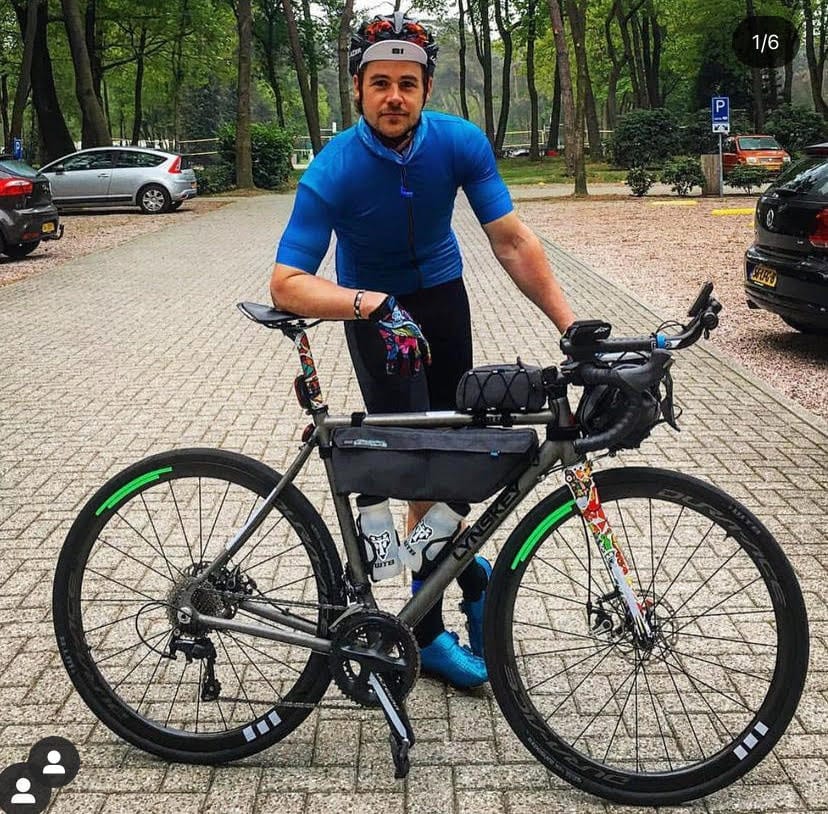
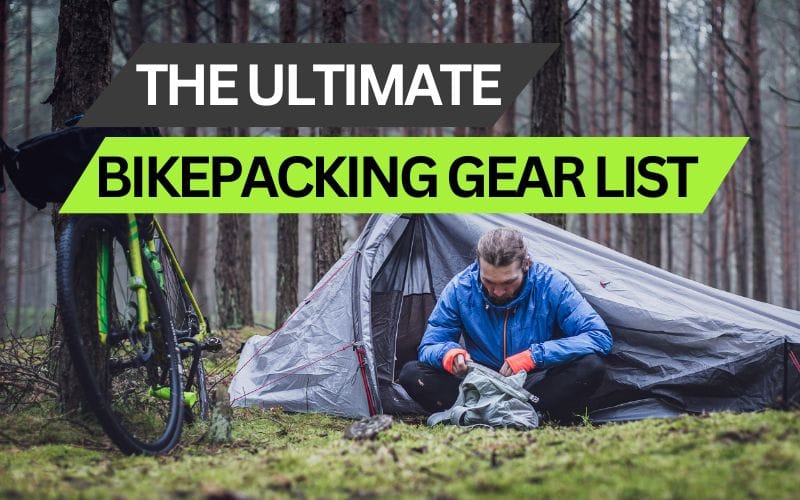
What to bring for bikepacking? The choice of bikepacking gear depends on what you want to do with your adventure, but there are some general rules to follow. One advice we can give is to fail to prepare, prepare to fail. When you're going on an adventure, it’s so important to have everything you need to ensure you can repair your bike, stay warm, and get a good night's sleep.
In this article, we will discuss everything you need for a bikepacking trip and why you need it. We will discuss tools for repair, sleeping systems, clothing, and much more. Let’s tell you all about this bikepacking gear list!
Overview of the bikepacking gear list
What to bring for bikepacking?
Ultimate bikepacking gear list
- 1. A reliable and comfortable bike
- 2. A comprehensive repair kit
- 3. The right bags
- 4. A light shelter and sleeping equipment
- 5. Cyclist clothing and different layers
- 6. The minimum electronics
- 7. Enough food and drinks
- 8. A safety and first aid kit
- 9. Some basic hygiene items
- 10. Rain gear (depending on the destination)
Your bike...
... Must be comfortable
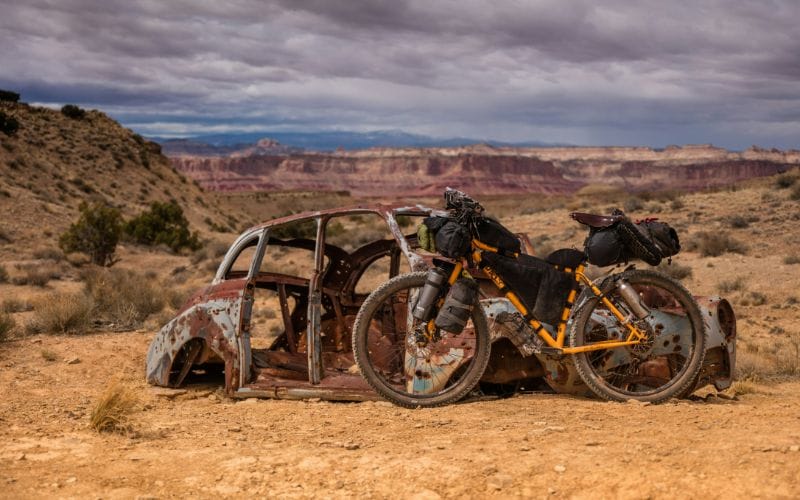
Choosing the right bike for bikepacking is key to a successful adventure. Opt for a comfortable bike that suits the terrain you will be riding on and has mounting points for your bags and accessories. This choice will instill confidence in your journey.
And adapted to the terrain
The best multi-terrain bikepacking bikes are gravel bikes or hardtail mountain bikes. You can read our dedicated article to know better what a gravel bike is and how to choose a gravel bike. Anything will work providing you can get the bags on and do not pass the limitations of the bike itself. For example, 200 miles of trails on a road bike will not be much fun.
A comprehensive repair kit
Can save your trip
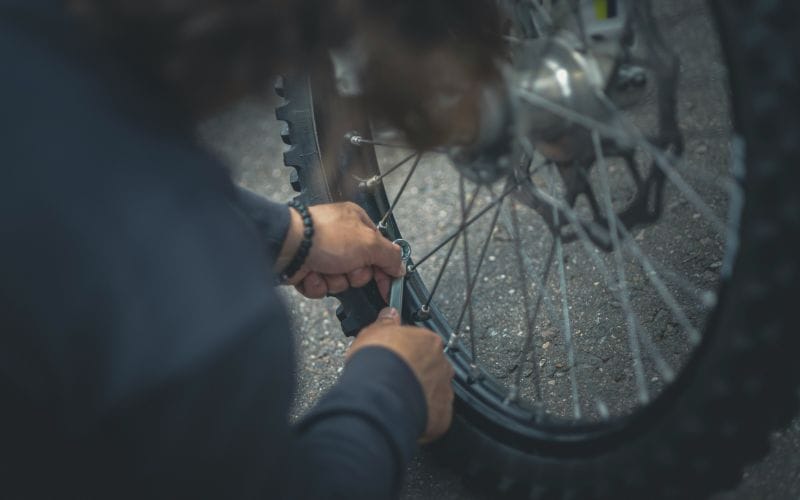
Having a good repair kit goes a very long way. We hope you will not need it, but with lots of miles, there is generally more chance of things going wrong. You can also read our article on how to start bikepacking for more life-saving tips.
Is one of the most essential bikepacking equipment
It is much more than you would typically take on a long day out. This is because you carry much more weight, and if traveling in remote locations, there are times when you can only rely on yourself and your ability to fix your bike (even the toughest touring bike can let you down). See this as the most essential bikepacking equipment.
*Lightweight tip: If you are in a pair you can reduce the number of items you need from this list each.
The right bags
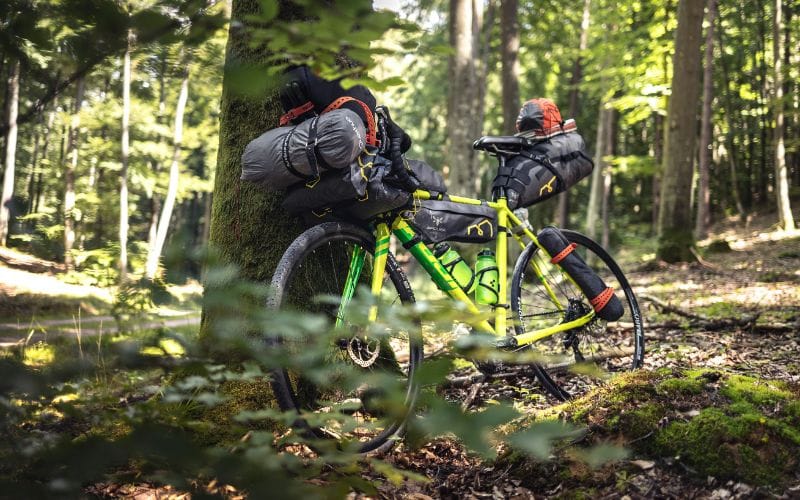
Next, we have the bags. There is no written rule about how many bags to take or what combination of bags to use. It is about what fits the bike you are using and feels good to ride with. Cheaper bags often are fantastic but lack waterproofing. Expensive bags can soon rack up the cost but will give you a better experience. It is important to ensure compatibility with the bikepacking bike and therefore to know how to choose a bike for bikepacking.
*Lightweight tip: Fewer bags with more capacity are lighter.
Shelter and sleeping
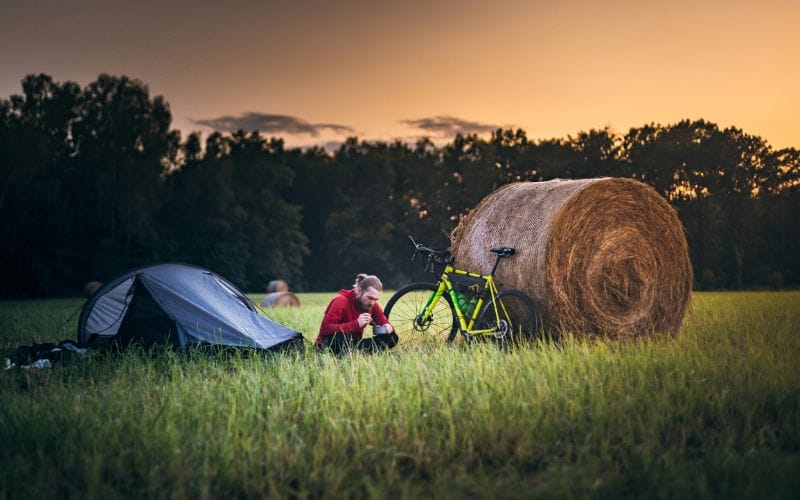
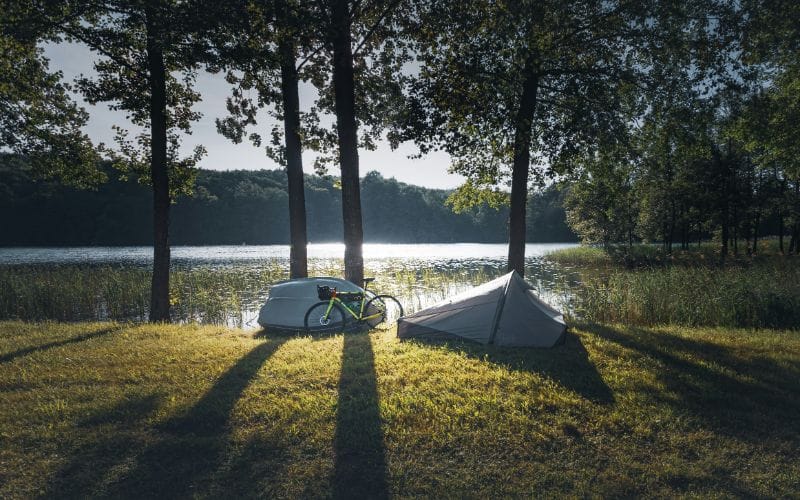
Many bikepackers go wrong with sleeping equipment and it can be hard to choose the right shelter. Sleep is so important for bikepacking and makes a big difference to how you perform throughout the day and also your mood. Here is what we recommend what to bring bikepacking as your sleeping bikepacking gear.
*Lightweight tip: A bivvy will save weight on the bike but is a worse nights sleep.
Clothing and layers
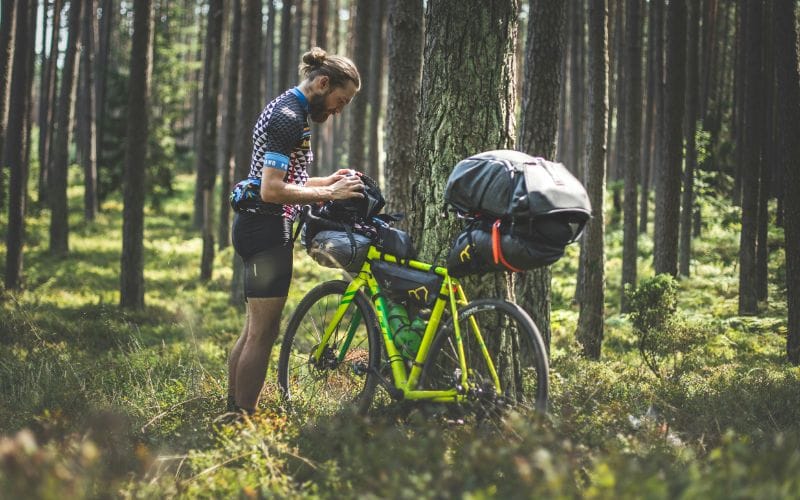
When it comes to clothing, it is worth taking more than less. Although many wish to be as minimalist as possible, extra clothing weighs very little and always comes in handy. This is what we recommend. Considering colder trips, you should focus more on winter clothing.
Alongside this, you should consider taking some regular clothing, too. If you are going to be spending time off the bike and visiting people or tourist destinations, a pair of shoes, trousers, a T-shirt, and underwear helps. It is not always necessary on a bikepacking gear list but for longer trips it is nice to feel normal once in a while.
*Lightweight tip: A high end down jacket will be more packable and typically warmer than cheaper versions.
Electronics
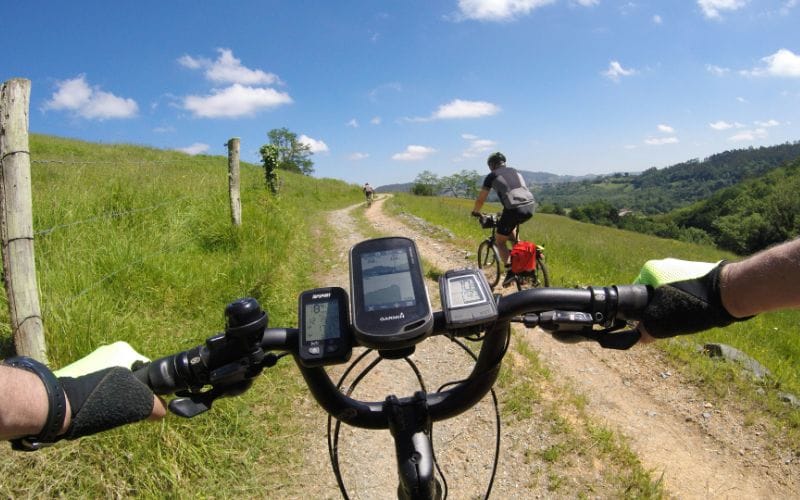
In modern times, we are very lucky to have amazing technology that makes bikepacking safer and a much better experience. Having powerful lighting, a satellite navigation system, and even car detectors is great. These goods below on this bikepacking gear checklist are a good way to start and will ensure a good adventure. Very overlooked when people think about what to pack bikepacking.
Many bikepackers learn the hard way that cheap electronics do not always perform well. Budget lighting is not always as bright and does not last as long, and cheap power banks often do not have the stated capacity. It is good to test before your adventure.
*Lightweight tip: Try not to have a power bank too big. They weigh a lot and take a long time to charge.
Food and drink
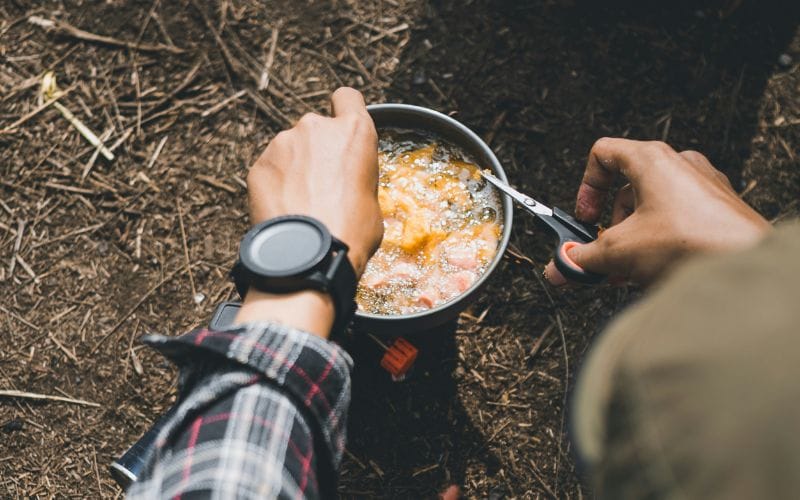
Food and drinks on the go are a great way to keep the setup light and enjoy local foods in the places you adventure to. Carrying your own cooking equipment offers a lot of security and savings. Either way, there are essentials and non-essentials bikepacking gear in this section.
*Lightweight tip: High calorie small weight foods, help you go further carrying less.
Safety and first aid
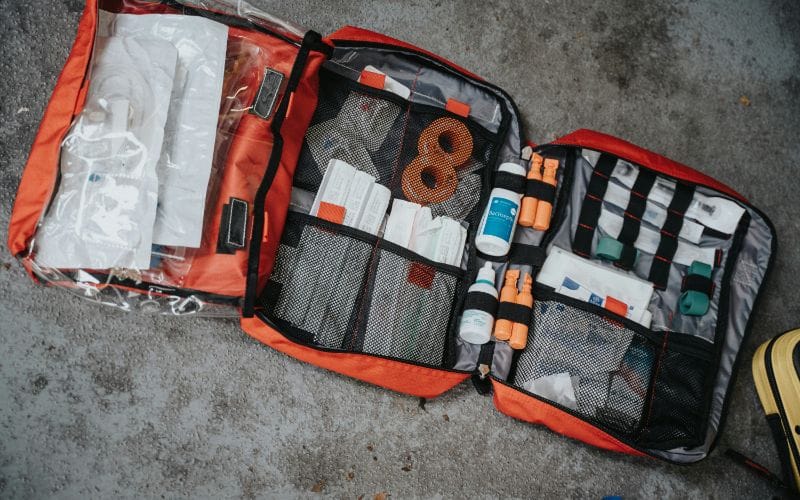
When bikepacking or bike touring, you need to stay as safe as possible. Safety should always be your first concern, no matter what the situation. Although it might seem like more to carry and not get used, there could be that one day you just need it, so it has to be in your bikepacking gear checklist.
Hygiene
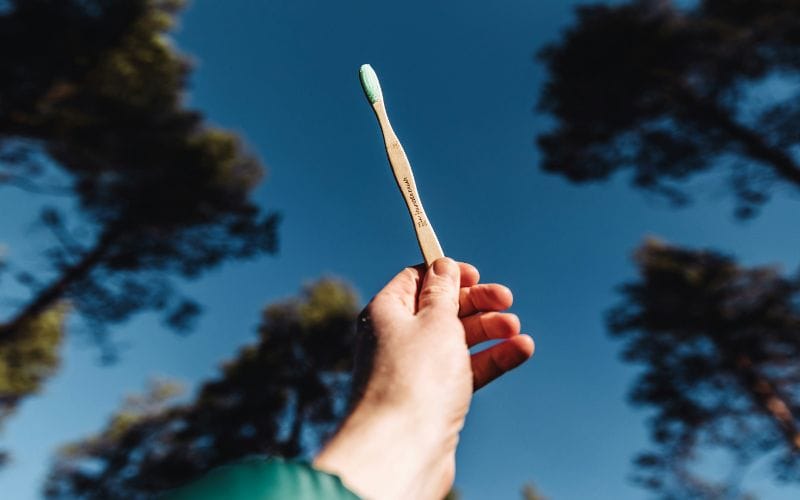
When living on the road, it can be easy to forget about hygiene in your bikepacking gear, which can lead to getting poorly or just generally feeling uncomfortable. A few extra things can make a huge difference to your mood and how you feel.
*Lightweight tip: Put things in smaller bottles to save weight and space.
Bad weather and extra comfort
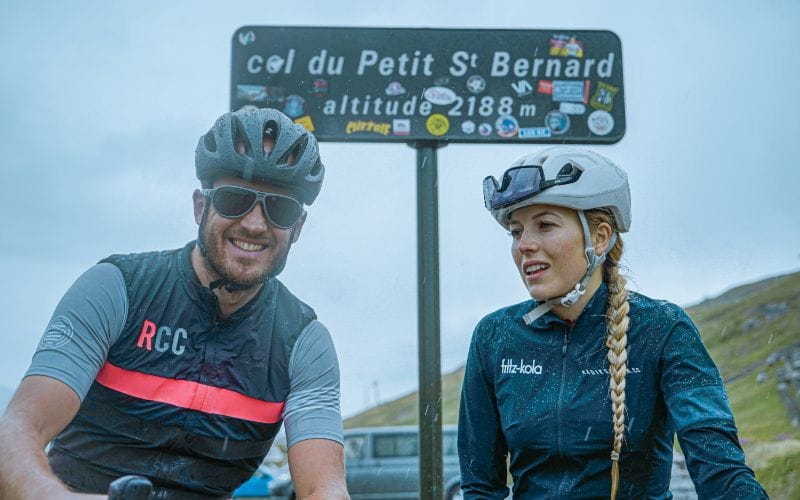
Finally, we have bad weather and extra comfort. I recommend taking these goods if you are going to a place with frequent storms or you might just want a bit more of a comfortable experience. This is not always essential bikepacking equipment, but it helps.
*Lightweight tip: Try not to take too much or it can make the riding uncomfortable and much slower.
Do I need all of this in my bikepacking kit?
It is up to you!
As you can see, there is a lot of bikepacking gear listed here. It does not mean you need all of it. Depending on the trip you are on, what you take will change. You will find, in time, there will be pieces of kit that you do not tend to use that are not essential and stop taking them.
The more experience you have, the less you bring
it generally all comes with experience, and the more adventures you go on, the more experiences you have, which will shape your perfect kit list. We also have a beginners guide to bikepacking to checkout and sure to check out the buycycle website to find the best bikepacking bikes to get you going now you have a bikepacking gear checklist!
Bikepacking
- What is bikepacking?
- What is a touring bike?
- What is a touring bike?
- What is bike touring?
- What is the best bicycle for long-distance touring?
- Bike touring gear essentials: our ultimate bike touring gear list
- How to choose a bike for bikepacking?
- How to plan the perfect route
- How to start bikepacking? Our beginners guide to bikepacking
- How to train for bikepacking? Our best bikepacking training plans!
- How to train for bikepacking? Our best bikepacking training plans!
- Instagram's most famous bikepacking routes
- Instagram's most famous bikepacking routes
- The perfect tent for your successful bikepacking adventure
- The ultimate bikepacking gear list - What to bring on your next bikepacking adventure
- Top 5 best gravel bikes for bikepacking in 2024
- Where to sleep while bikepacking: how to choose the right shelter!
- How do I plan the perfect route for my bike tour?
Cycling the world
- By bike through Eastern Europe
- Copenhagenizing: Berlin Edition
- Europe by bike - part 1
- Europe by bike - part 2
- Balkan Voyage
- The most affordable cycling cities in the United States
- Discover the most beautiful US cycling rail trails
- Top 10 most popular cycling cities 2024 according to Google
- Most popular haunted trails in the U.S. according to Google
- Most romantic cycling cities for couples
- Cycling adventures along most picturesque vineyard paths in the U.S.
- How bike-friendly is Paris?
- Copenhagenizing: Paris
- Top US cycling destinations for 2024 by Sam Boardman
- The best destinations for thrill-seekers in the US
- Which US states are the most geared up for cycling?
- Discover the world's most affordable cycling cities
- Top 10 cycling cities in the U.S. for 2025 bucket list
- Top 10 Mountains in the U.S. for High-Elevation Cycling
- Best spanish winter cycling destinations