Winter cycling: 6 tips for your winter ride!

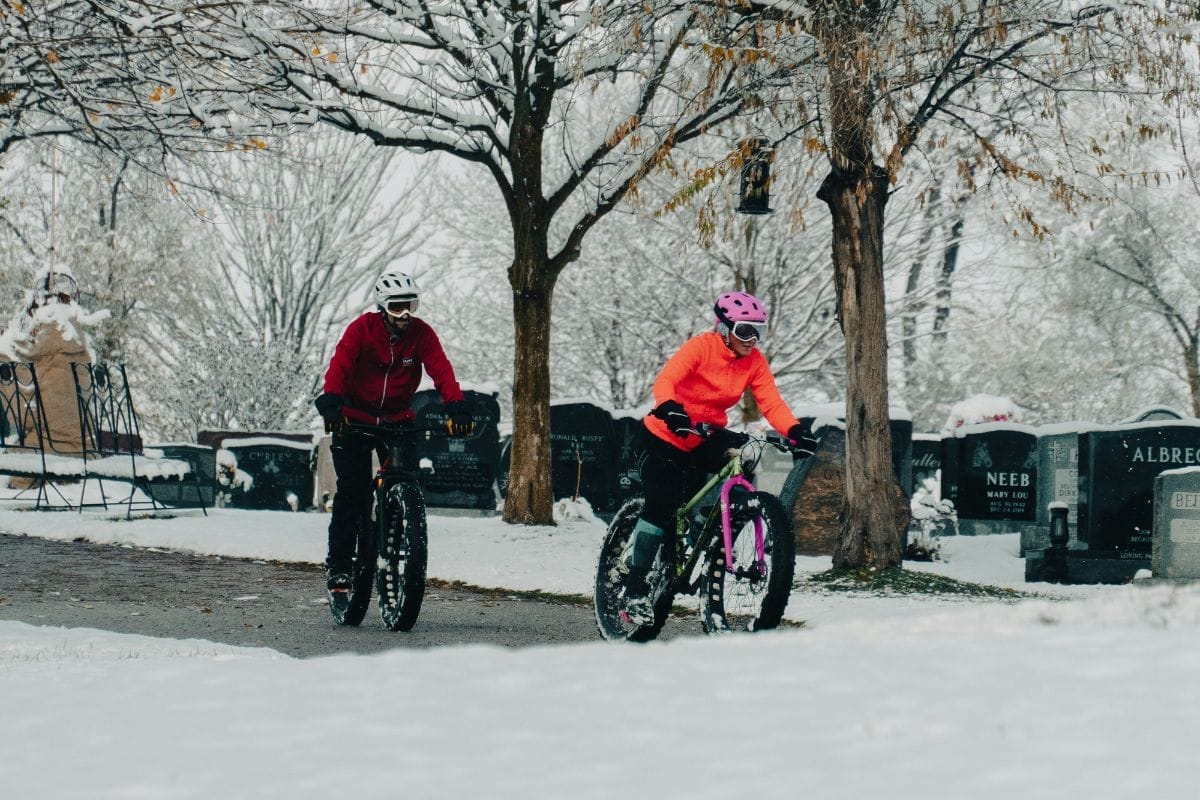
Ready to cycle in winter? We all know the drill: the days get shorter, temperatures drop, we're constantly catching colds, and before we know it, salt is being spread and snowplows are clearing the streets.
How can you train properly outdoors in these conditions? Whether it's MTB, road cycling, or gravel biking – in this blog post, we’ll give you valuable tips on how to enjoy winter cycling safely and joyfully.
Because cycling in the cold has many benefits! Really? What are they, you might ask? We’ve listed a few for you.
Benefits of cycling in winter
Here are a few great benefits that training in sub-zero temperatures can have under the right conditions.
- Immune system: You strengthen your immune system as you regularly expose yourself to different weather conditions. This makes you less susceptible to colds and infections.
- Fitness and endurance: Cycling in winter is more strenuous than in summer. It's often said that an hour of training in sub-zero temperatures is as effective as several hours at summer temperatures.
- Stress relief and fresh air: Whether it's winter or summer – exercising outdoors is always healthy. You take in more oxygen, relieve stress, and afterwards feel like you could conquer the world (and think about that hot shower afterwards!).
- Endorphin release: Cycling in winter releases even more endorphins than in other seasons. And who would voluntarily say no to an extra dose of happiness hormones?
- Mental strength: While others sit at home watching Netflix, you bravely face the icy wind and snow-covered paths. With every new challenge, you grow and boost your self-esteem. Yes, you can be proud of yourself!
- Technical skills: It’s not easy to navigate a bike on slick roads or through snow and mud. You’ll learn a lot and might even fall a time or two (hopefully onto soft powdery snow). But if you can master winter cycling, everything else will be a piece of cake!
As you can see, it's definitely worth going cycling in winter. Now, let's move on to the 6 points you should definitely keep in mind.
1. Choose a suitable bike
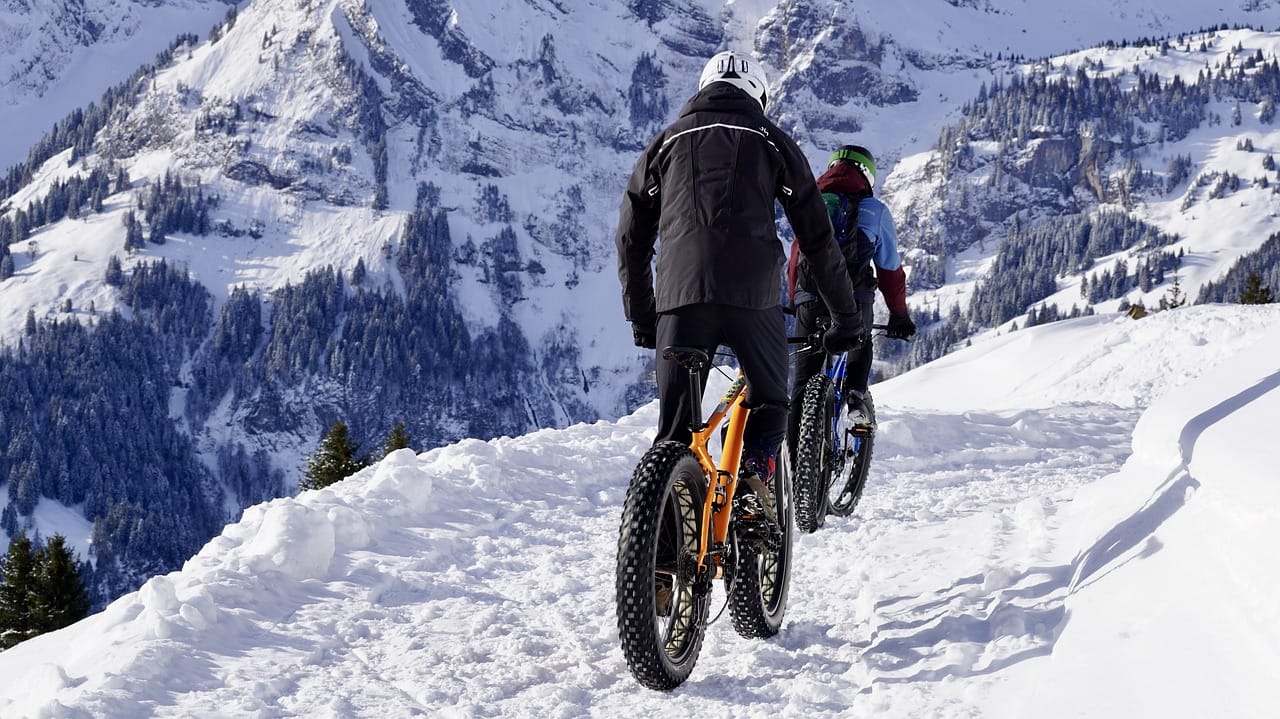
Alright, but which bike can you safely ride in winter, and which types should you avoid? Is there such a thing as a perfect winter bike?
If you normally ride a fancy racing bike, you should definitely consider getting a second bike for winter. A sturdy MTB or nimble gravel bike pays off in any weather.
But let's take a closer look at what options you have:
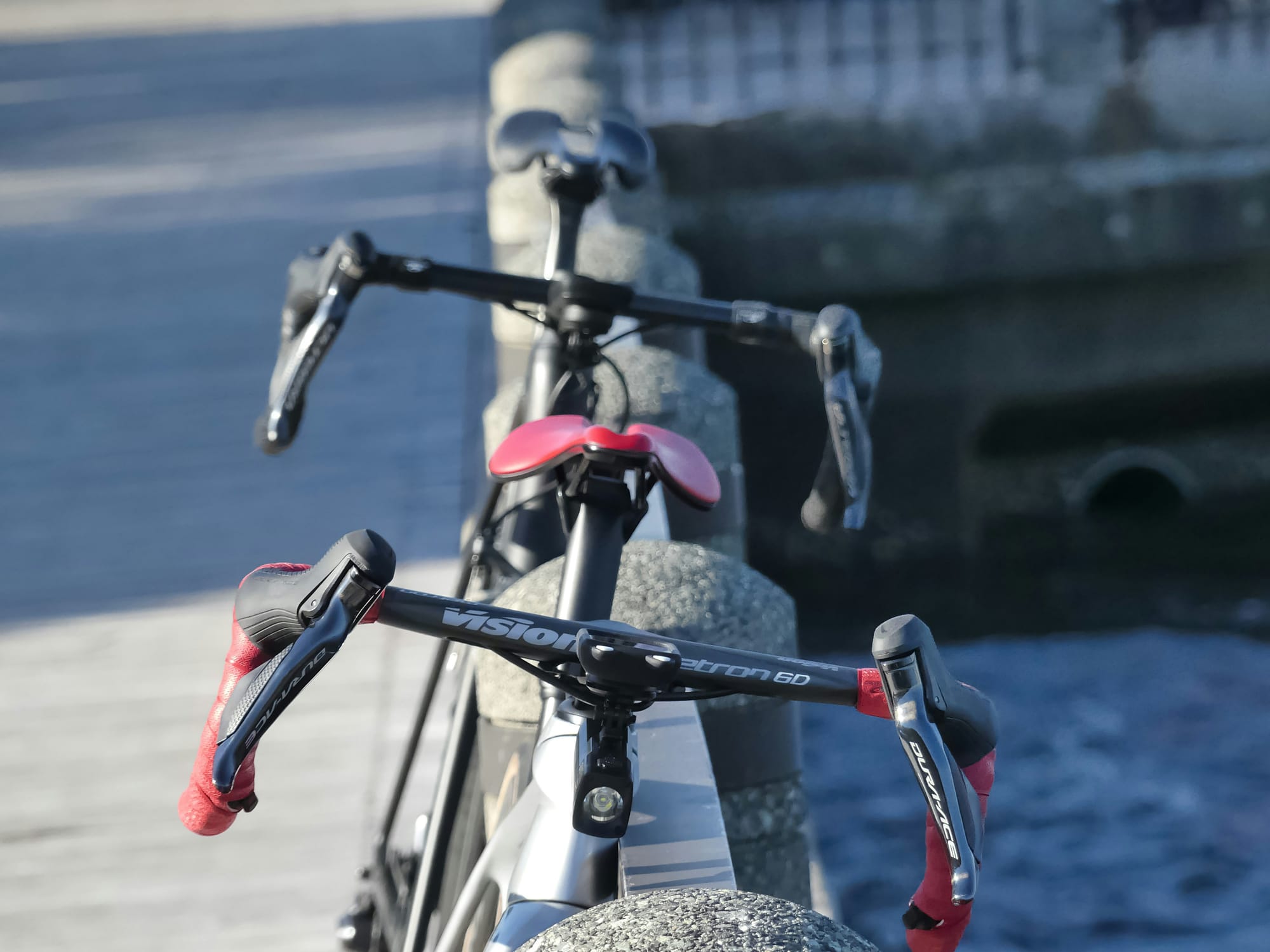
Racing bike
Do you love your racing bike so much that you want to ride it in winter too? No worries – even though the thin racing bike tires are rather suboptimal for the cold season, there are some ways to make it work:
- Only ride when you're absolutely sure that there's no snow and the roads aren't slick.
- Clean your bike thoroughly after every ride because salt is harmful to your frame (especially with steel and aluminum).
- Install wider tires on your racing bike or convert it directly into a gravel bike. You can read how to do that here.
Gravel bike
A gravel bike would be the best option if you don’t want to miss out on the advantages of a racing bike during your winter rides. Gravel biking in winter isn't that hard! These bikes are great for long rides through snowy forests and slightly frosty fields. Here are the reasons:
- With a tire width between 35c and 52c, you have enough traction even in snow and slush.
- There are usually many mounting options for fenders.
- Gravel bikes are generally sturdier than racing bikes but can still reach high speeds.
Mountain bike
If you prefer snow-covered mountain regions over the road, an MTB is likely the perfect choice. It has the following advantages:
- The wide tires with deep treads are ideal for snowy, muddy, or slippery paths, as they provide more traction.
- You typically have enough space for special winter tires, fat bike tires (up to 5 inches wide), or spiked tires.
- There is a large selection of MTB winter gear, both in terms of components and clothing.
- Mountain bikes are sturdily built and, thanks to disc brakes, can safely and quickly stop even in the cold.
Ultimately, you have to decide which bike is best suited for your winter rides. By the way: If you need to ride your bike to work in winter, we have a few valuable tips and tricks for you here.
 Alice Huot
2. Dress warmly
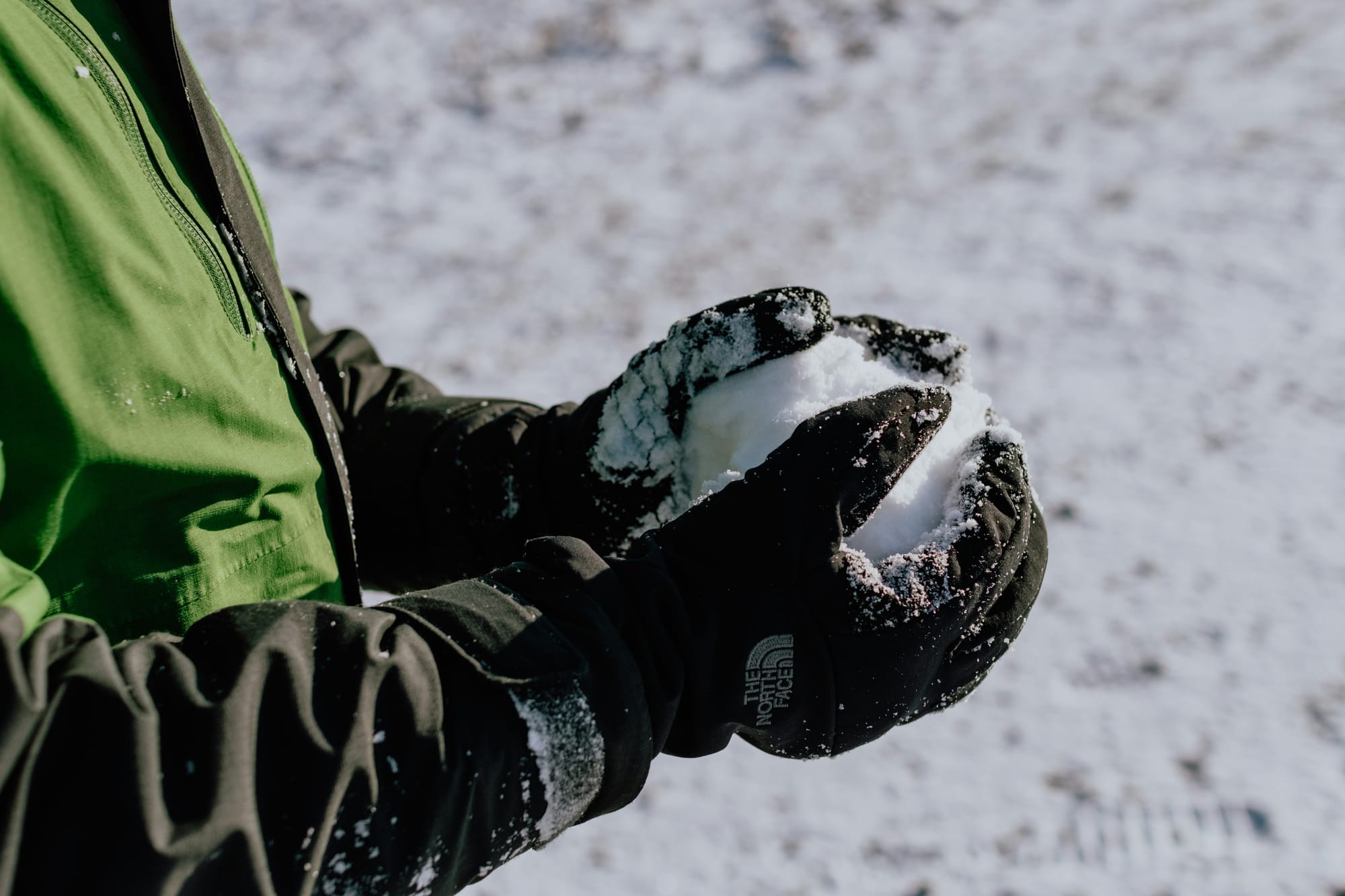
Now let's move on to the next important point – clothing. Because as they say? There's no bad weather, only bad clothing.
To be perfectly equipped with jackets, pants, and winter cycling shoes, we’ll give you a few tips on what pieces of clothing you should definitely get if you don’t already own them. Here we go:
- Special winter cycling shoes: There are countless options, such as specifically for mountain bikers with extra grip or, for the road cycling fans among us, a bit more aerodynamic. If you use flat pedals, consider flat-pedal shoes with grippy soles, and for longer rides, touring or trekking winter cycling shoes are suitable.
- Rain pants: Many brands like Vaude or Gore-Tex make rain pants specifically for winter. Make sure your new pair is waterproof, windproof, breathable, and equipped with reflectors. We've tested some great models that you can find here.
- Winter jacket: A good winter jacket is essential to stay warm and dry. Check our guide to find the best cycling winter jacket. High-quality models consist of breathable fabrics, waterproof membranes, and insulating materials. Popular brands include Rapha, Vaude, and Castelli.
- Gloves: You absolutely need gloves in winter. They should definitely be waterproof, windproof, and breathable, have non-slip materials on the palms, and ideally, be compatible with touchscreens.
Can you use your racing bike kit in winter too?
Theoretically yes, if you're tough and make a few small changes.
For example, you could wear warm overshoes for rides in the rain and snow over your summer cycling shoes. It’s not optimal, but it works for shorter rides at temperatures around -5 to 8 °C (depending on the brand and your cold tolerance).
If you only have short bibs and jerseys, you can buy arm warmers and leg warmers that are specifically designed for winter. But don’t forget to wear a warm base layer and winter socks. Merino wool is especially good.
3. Ensure adequate lighting
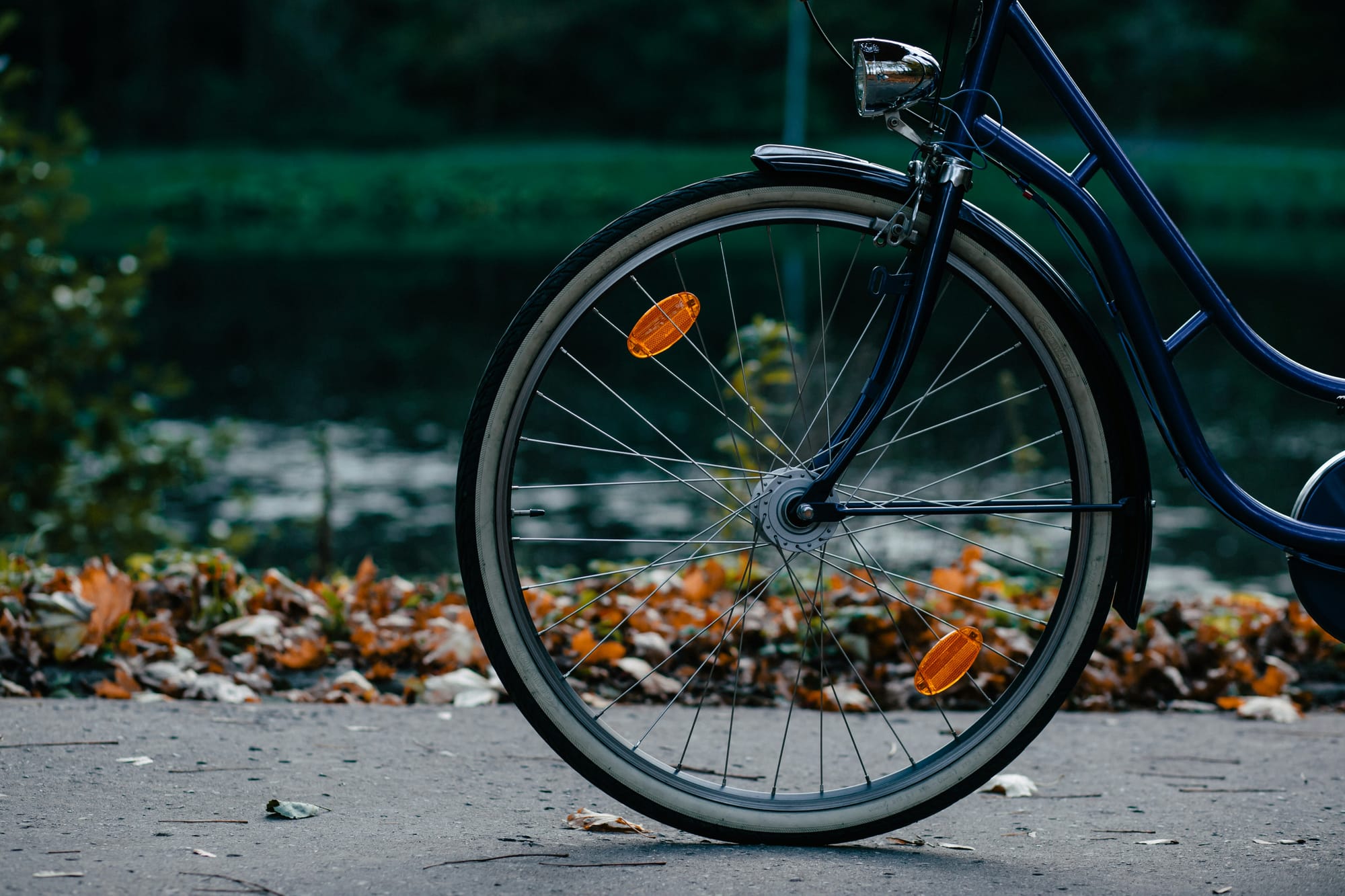
In winter, the days are shorter, weather conditions are worse, and it’s generally a bit darker than in summer – or at least it seems that way. So it’s even more important during this season to be as visible as possible while cycling.
Here are a few suggestions on how to equip yourself and your bike accordingly:
- Hub dynamos
- LED rear light with stand light and LED front headlight
- all required reflectors
- Reflective strips on clothing, helmet, bags, and tires
- Helmet lights
- Lights with daytime running lights, automatic sensors, or high beam function
Important: Make sure that the brightness (lumens) is always sufficient. For the city, you usually need no more than 200 lumens, at unlit roads at least 400 lumens, and in the woods or on difficult trails, we recommend around 1500 lumens.
 Alice Huot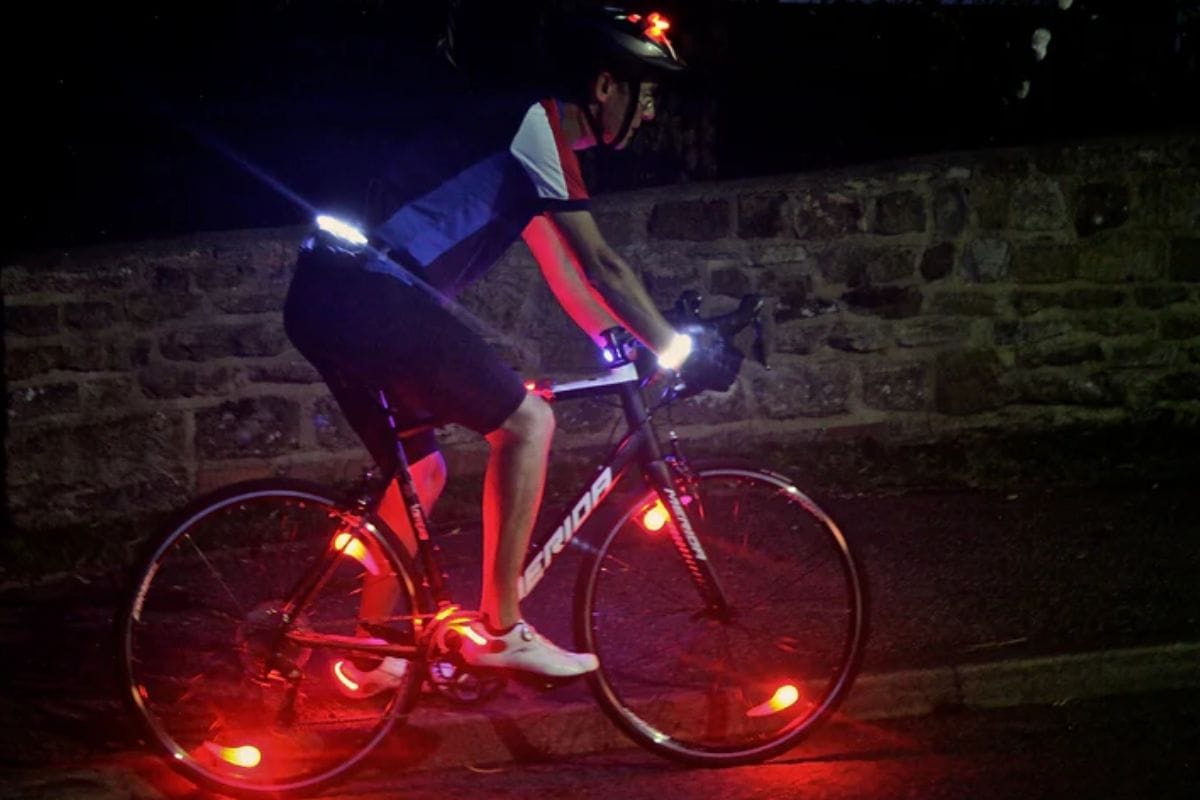
4. Maintain your bike regularly
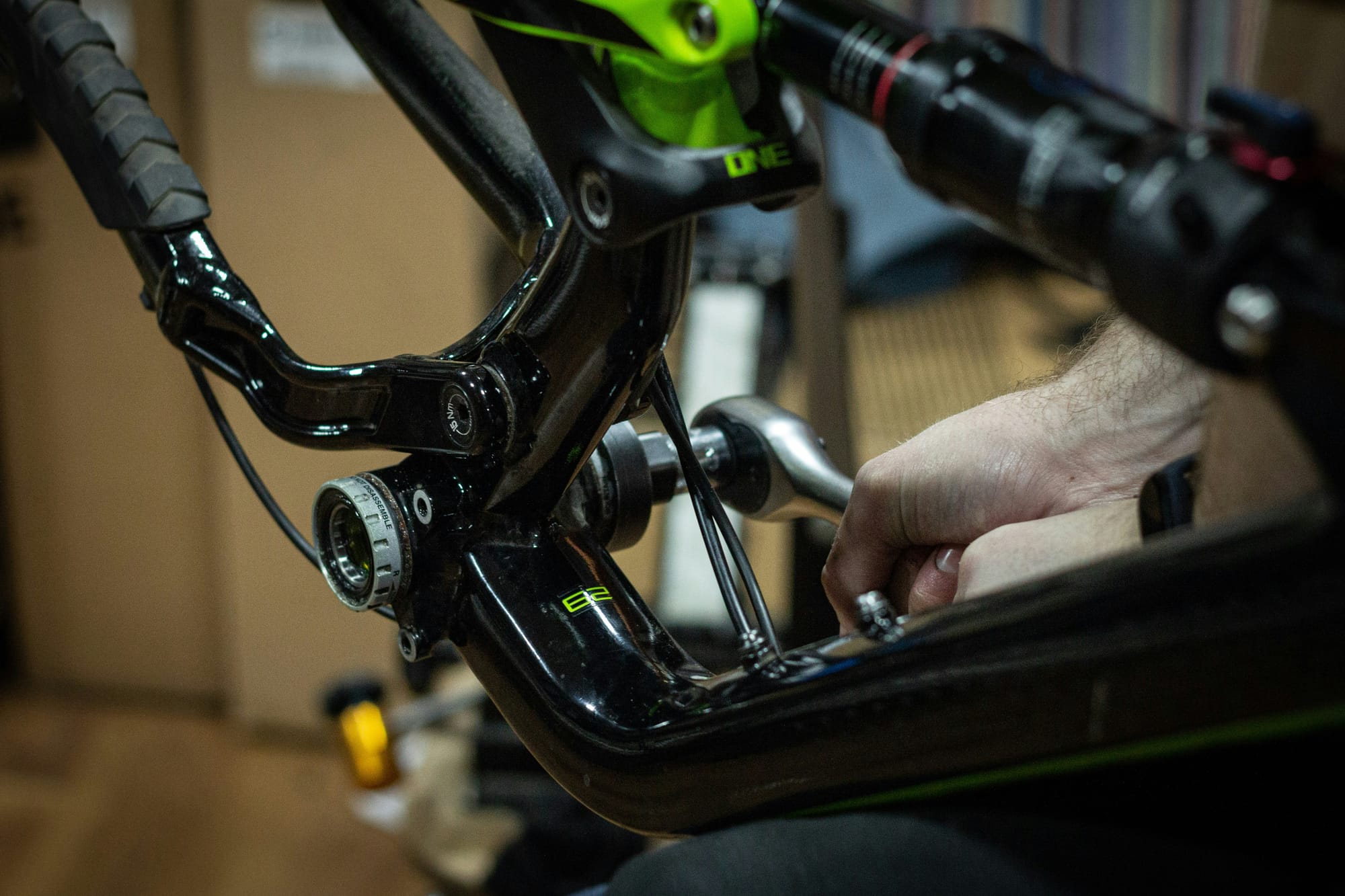
In winter, your bike is exposed to more severe conditions – snow, cold, moisture, and road salt can take a toll on it if you don’t maintain it regularly. And this not only harms the look of your bike but can also lead to accidents or breakdowns!
Here are a few tips on how to keep your bike in tip-top shape:
- Check your brakes: Are they clean and functioning smoothly? Salt and moisture can greatly affect braking performance and extend the braking distance.
- Clean your bike regularly: You should remove dirt, moisture, and salt after every ride to prevent corrosion.
- Take care of your tires: To ensure you always have good traction on snow and ice, regularly check the tire pressure and inspect the tires for wear.
- Care for your chain: The chain also suffers quickly under winter conditions. Clean it regularly and treat it with water-resistant chain oil to prevent rust and wear.
 Alice Huot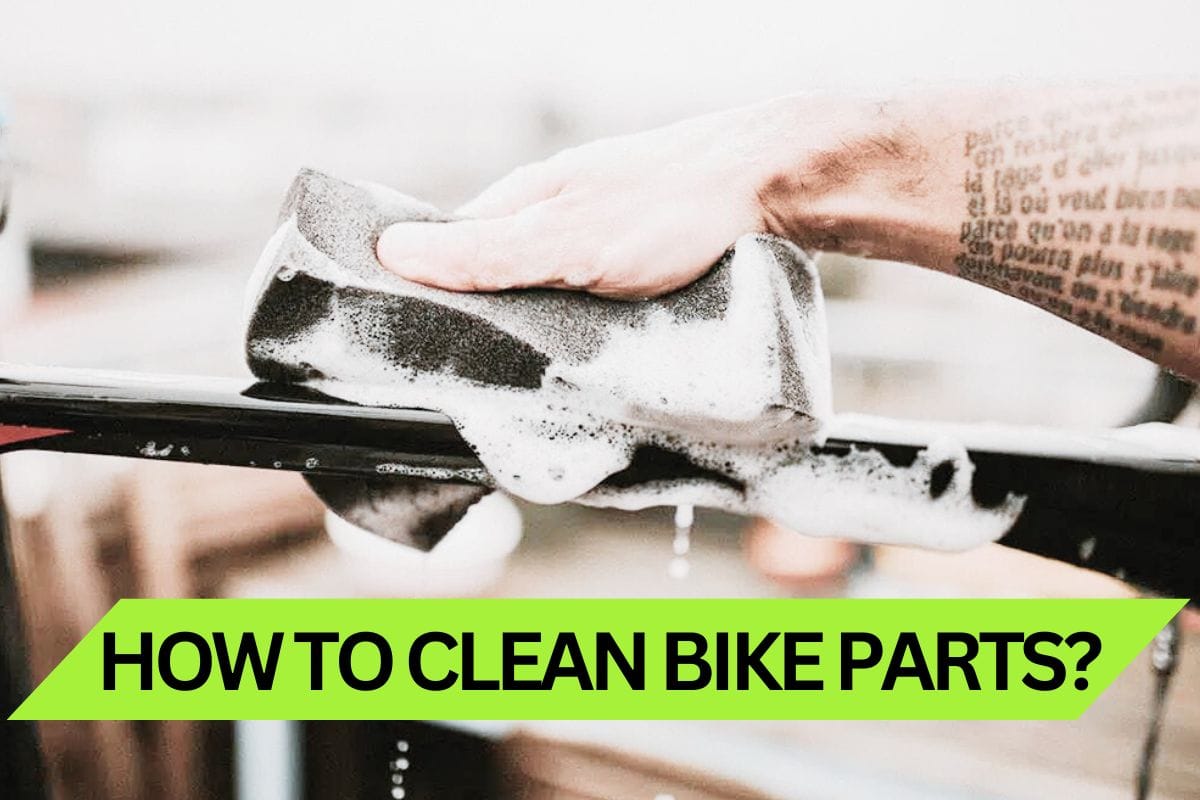
If you want to be on the safe side, you can also have your bike professionally maintained at a bike shop.
5. Pay attention to your riding style
In winter, it’s especially important to adapt your riding style to the road conditions. Of course, you can never completely avoid accidents. But knowing how to react in certain situations is a big help.
Here are a few tips on how to ride more safely in winter:
- Be cautious and brake very early on slippery surfaces (preferably with the rear brake).
- Never pedal or brake in curves, if possible.
- On ice, try to steer or brake as little as possible and let the bike roll slowly.
- Ride slower than usual.
- Reduce the air pressure in your tires.
- Always maintain a safe distance from other road users, as the braking distance is often much longer.
If you keep these points in mind and ride as defensively as possible, there’s nothing stopping you from cycling in winter. You can even cycle in the snow!
6. Only ride suitable routes
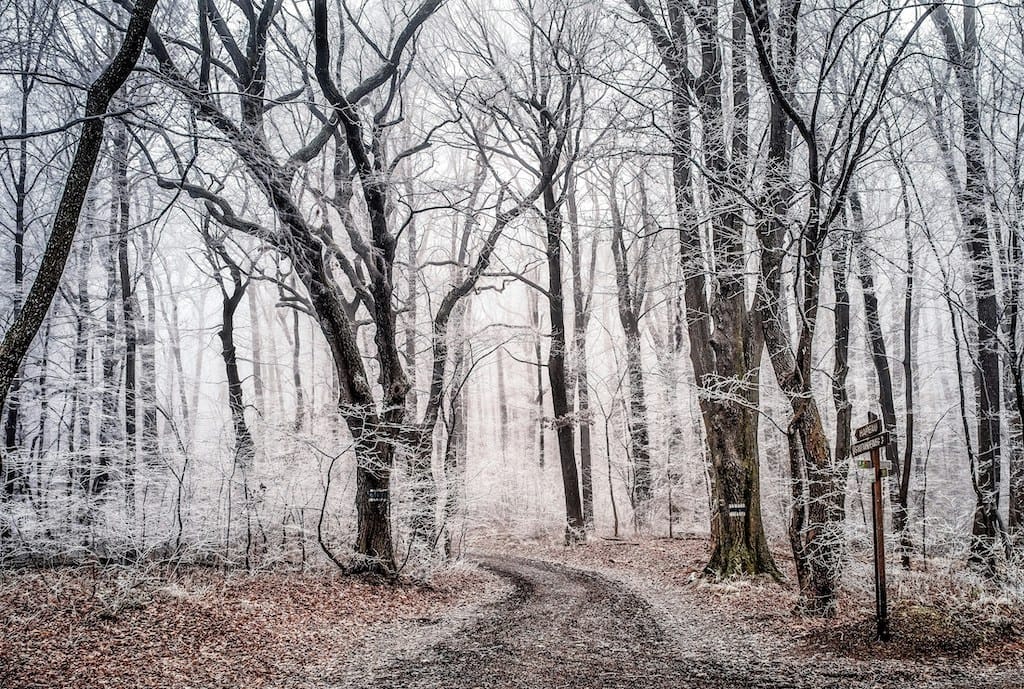
It’s pretty much common sense to only ride suitable routes in snow and cold. Still, that's not always self-evident. You might see a video on YouTube of someone tearing through the forests on their MTB in winter through sparkling snow and think, “I want to do that too!”
But especially in winter, you should carefully consider when, where, and with which bike you want to ride. Keep the following points in mind to stay safe:
- Choose a route with salted or well-cleared roads and bike paths.
- Avoid icy or snow-covered streets.
- Try to get information about the state of the roads or paths before your ride, if possible.
- Better stay home if there's a risk of black ice or if you're unsure about whether you should even ride.
Cycling in sub-zero temperatures? You can do it!
As you can see, there are many benefits to getting on your bike even in winter. You not only strengthen your immune system and release endorphins but also learn technical skills that benefit you in any season. All you need is the right bike. Leave that fancy racing bike on the wall and explore the area with a gravel bike or a mountain bike. The wide tires provide enough traction on snow and slippery surfaces.
Make sure to dress warmly and ensure proper lighting, such as with reflectors and strong bike lights. You should also regularly clean your bike and check for damage to avoid breakdowns on slick roads. Additionally, a defensive and especially cautious riding style contributes to greater safety on the roads.
Still looking for the right winter bike? Then check out our shop. There’s a huge selection of second-hand bikes that will carry you through winter!
Winter Cycling
- The buycycle guide for cycling clothes in winter
- Winter cycling training: Studded tires, giant fans, and tips to optimize your ride
- 5 tips for more cycling pleasure in winter
- How to get into indoor cycling
- The buycycle indoor trainer test
- The 10 best places for cycling vacations in winter
- Winter road bike shoes - are they necessary?
- Best winter cycling shoes: Our test for cold days
- Guide to Winter Cycling Shoes: Riding Warm and Comfortable
- Winter cycling jacket: Our top winter cycling jacket picks!
- Winter road bike tires: The best tires for cold-weather rides
- Top 10 Winter Escapes in the U.S. for 2024: Most Popular Ski Towns
- Top 3 Spanish winter cycling destinations: Mallorca, Calpe, and Tenerife compared
- The buycycle guide for cycling clothes in winter
- Winter cycling jackets test – Find your favorite!
- Road bike lights: Our selection of the best lights for riding at night
Christmas