How do I make my bike Triathlon ready?

Whether you're a seasoned triathlete or a beginner making your entrance into this thrilling sport, one thing is clear: the performance of your bike can significantly impact your overall results. Factors such as aerodynamics, comfort, nutrition access, and time efficiency all come into play.
In this article, we'll explore the question: Can I use my existing bike, or do I need a triathlon-specific setup?—offering insights from experienced athletes and recommendations from our vibrant buycycle community.
What makes a bike “triathlon ready”?
✅ Clip-on aero bars installed
✅ Saddle positioned forward
✅ Hydration/nutrition mounted
✅ Tires in good condition
✅ Bike fit completed or adjusted
✅ Shifting smooth and brakes tuned
✅ Race-day gear (helmet, shoes, bib) ready
As you prepare your bike for its triathlon debut, understanding what makes it “triathlon ready” is crucial to not just finishing the race but excelling in it. Let’s dive into the essential components that transform a basic setup into a triathlon-ready powerhouse.
- What is a triathlon bike?
- How to choose a triathlon bike?
- The best cheap triathlon bikes
- Triathlon bike vs. road bike: Which is the right choice?
- Which bike do you need for an Ironman Triathlon?
1. Aerodynamics matter
When it comes to triathlon, speed is of the essence. Investing in aero bars, aero wheels, and optimized frame geometry can make a world of difference. These elements enhance your aerodynamics, allowing you to cut through the air more efficiently.
For road bike users, adding clip-on aero bars is a game changer. They position you lower, making you more streamlined, and much less of a wind target. Consider it like donning a superhero cape – suddenly, you become faster!
Niko from buycycle, who raced the Canyon Speedmax in a Half Ironman, offers this tip:
“Comfort is most important. Try to become as aero as possible without getting uncomfortable. And practice holding the position.”
Another buycycle team member echoes the importance of position:
“Bike handling in TT position can be difficult if you are not used to it—especially at high speeds.”
Getting a professional bike fit can also go a long way in improving comfort and performance, whether you’re on a road or triathlon bike.
2. Saddle and seatpost adjustments
A proper bike fit can minimize fatigue and make those long distances feel less daunting. Choosing the right saddle plays a significant role. Tri-specific saddles provide better support for the unique demands of triathlon racing. Pair this with armrest pad comfort, and you're setting yourself up for success.
Explore comfort-enhancing accessories at buycycle to ensure your race is a smooth ride.
3. Hydration and nutrition mounts
Let's face it: staying hydrated and fueled is crucial during any triathlon. Consider implementing a hydration system that includes between-aero-bar bottle placements or downtube mounts. These systems not only save time during the race but also keep you refreshed.
Furthermore, being able to easily access your nutrition during the ride can change the game. Top tube bags or bento boxes allow you to store energy gels or snacks efficiently. After all, nobody likes to experience the dreaded 'bonk' mid-race!
 Sanjana Sharma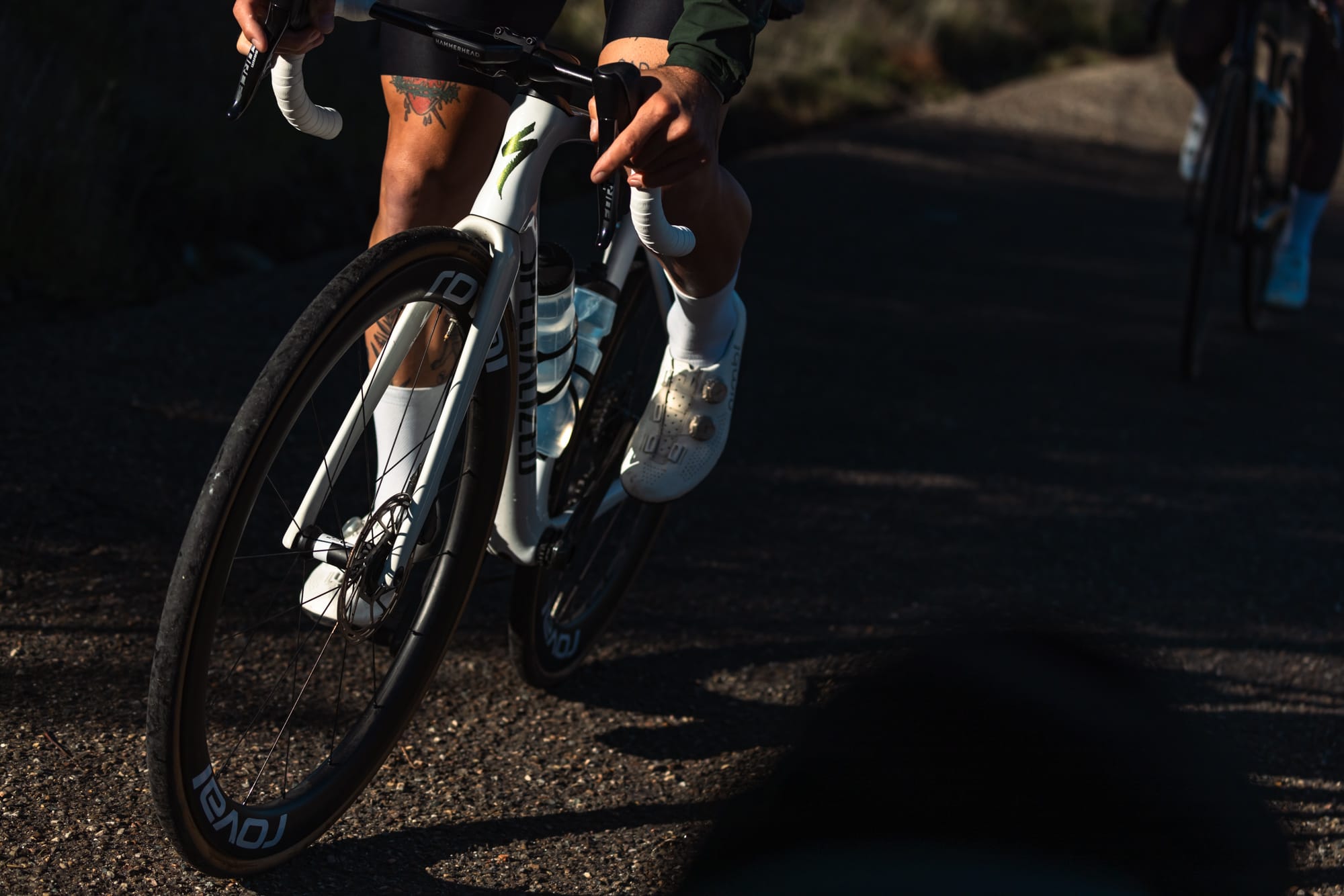
4. Gearing for flat or rolling terrain
Unlike mountainous bike routes, most triathlon courses are flat to gently rolling. Ensure your gearing allows for high cadence cruising. Compact chainrings or mid-range cassettes work well for maintaining tempo.
5. Optional upgrades
For the ambitious, optional upgrades like a power meter, race wheels, triathlon-specific shoes, and carbon components can further enhance performance. As the age-old cyclist saying goes, “There’s no such thing as too much speed!” Ready to gear up? Find everything you need on buycycle today!
What buycycle riders say: Real Triathlon setups
We asked buycycle’s triathlete community how they prepare their bikes for race day:
1. Start with what you have
You don’t need to invest thousands of euros to get started. As Sophie, a buycycle team member and Half Ironman finisher, shares:
“It’s my regular road bike that I also use for training. For beginners, having a proper time trial bike really isn’t necessary at all. Even a gravel bike would be totally fine for a first race, especially if you’re not focused on finishing time at the start.”
She didn’t make any significant modifications beyond basic maintenance:
“I didn’t change anything on the bike – just pumped up the tires 😄.”
Operations team lead from buycycle added:
“Start with a road bike, see if you enjoy it and upgrade later. No need for a triathlon race bike for the first race.”
This approach helps you test the waters—literally and figuratively—before investing in expensive equipment.
2. Brick workouts for the win
Sophie @ buycycle emphasizes training your transitions:
“One thing I’d definitely recommend is to practice the transitions – especially from swim to bike and from bike to run. Try doing a short swim and then immediately get on your bike, or go for a ride and finish with a short run. This helps you get used to that quick switch, both physically and mentally.”
Our CRM Manager @ buycycle, who uses her standard road bike, recommends:
“Train open water swimming, practice your transition zone and have fun.”
Getting used to race-day rhythm is key to avoiding surprises. Join the community on buycycle and share your own experiences!
When to invest in a triathlon bike?
If you're considering tackling longer distances like Ironman or 70.3 frequently, it could be time to make the leap to a dedicated triathlon bike. Renowned brands like Canyon, Cervélo, and Felt offer great options for both budget-savvy and seasoned cyclists.
Niko, CRM Manager @ buycycle shares:
“Triathlon bikes are fast and many pros use it. I chose it because it’s the fastest.”
Another buycycle team member agrees:
“The TT setup is the fastest if you want to be competitive.”
Deep aero wheels, custom fitting, and a frame geometry designed for triathlons make these bikes ideal for serious competitors.
But there’s a learning curve. Niko advises:
“Train in the position you want to be in when you ride (e.g., small and aero).”
And if you're new to TT bikes, Operations team lead @ buycycle recommends:
“Ride your TT bike outside at least 5 times if you have one—or just stick to a road bike for the first few events.”
 Alice Huot
Cost considerations: DIY upgrades vs. Triathlon bike
Now, let's break down the costs involved in preparing for your triathlon.
Cost breakdown
If you're all about budget considerations, a comparison is needed: Clip-on upgrades generally range from €200–500, while entry-level used triathlon bikes can start around €1,000–1,500. Shopping at buycycle allows you to browse a marketplace of certified, used triathlon bikes, making it easier to find an option that fits your budget.
Long-term investment
Weighing the cost of upgrades versus the frequency of use can change your approach. Factor in your future racing goals and potential resale value, too. It’s a decision that could mean more triumphs down the road!
Is your bike triathlon ready?
After evaluating various components and adjustments, ask yourself: is your bike ready to conquer its next triathlon?
For beginners
If you’re just starting, your road bike equipped with basic upgrades like aero bars, bottle mounts, and a comfortable saddle can work wonders. Every long journey indeed starts with a single pedal stroke!
For ambitious athletes
If you have more serious aspirations, investing in a dedicated triathlon bike with proper fitting, aero gear, and high-end wheels is recommended.
Ready to make the leap into triathlon?
As race day approaches, prioritize comfort and hydration in your setup. Make sure to test your full configuration on training rides—there's no better way to prepare than to practice as you plan to perform. Finding the right setup is easier than biking uphill in a headwind.
Check out buycycle to discover great deals on used high-end performance bikes from top brands.
FAQs: Frequently asked questions about making a bike Triathlon-ready
1. Can I use a road bike for a triathlon?
Yes! Many beginners use a standard road bike for their first few triathlons. You can enhance it with clip-on aero bars and a proper bike fit to improve comfort and aerodynamics.
2. What’s the difference between a triathlon bike and a road bike?
Triathlon bikes (also known as TT bikes) are designed for aerodynamic efficiency and time trial performance. They have a more aggressive riding position, integrated storage options, and geometry optimized for triathlon-specific leg fatigue. Road bikes are more versatile and comfortable for climbing and group rides.
 Sanjana Sharma
3. Do I need aero bars for my first triathlon?
You don’t need them, but they can help reduce wind resistance and improve your time. Clip-on aero bars are an affordable upgrade for a road bike and can ease you into an aerodynamic position without needing a full TT bike.
4. When should I invest in a triathlon-specific bike?
Once you've done a few races and are focused on performance, upgrading to a triathlon or TT bike can make a real difference.
Check out budget-friendly upgrade options at buycycle and get your bike prepped for race day!