
Used De Rosa Triathlon Bikes for sale
8Results

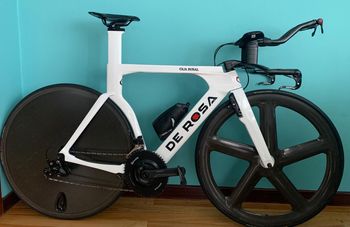

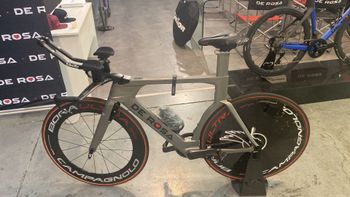
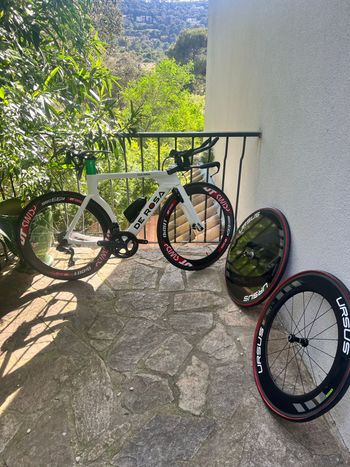
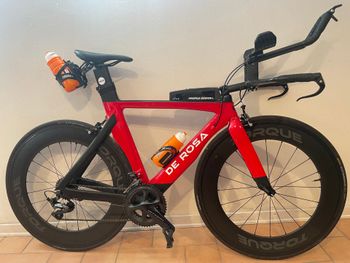
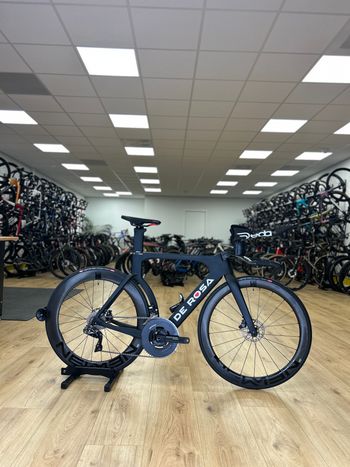
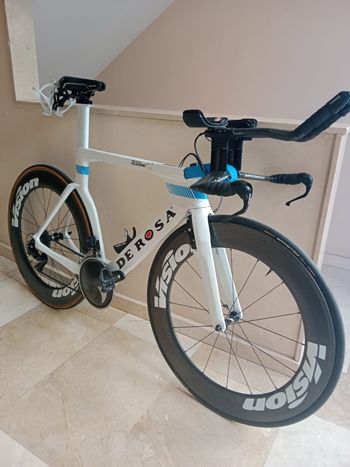
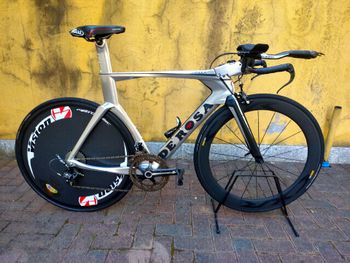
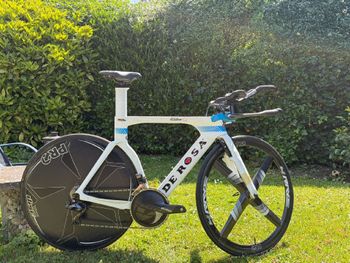
Discover Premium De Rosa Triathlon Bikes for Time Trial Excellence
De Rosa triathlon bikes represent Italian craftsmanship at its finest, combining aerodynamic efficiency with race-proven performance. These specialized time trial machines are engineered for triathletes who demand speed and precision in every race. Built with cutting-edge carbon fiber technology and wind-tunnel tested geometries, De Rosa's triathlon lineup delivers the competitive edge needed for personal bests. Whether you're preparing for your first sprint triathlon or targeting an Ironman podium finish, these bikes offer the perfect blend of comfort and aerodynamics. Finding quality pre-owned De Rosa triathlon bikes on buycycle allows you to access this premium Italian engineering at more accessible prices while maintaining the performance standards that define the brand.
Alternative Triathlon Bike Options Worth Considering
Beyond De Rosa's offerings, several exceptional triathlon bikes deliver comparable performance characteristics. The Cervélo P-Series remains a gold standard among time trial specialists, with models like the P3X and P5X dominating professional circuits. Trek's Speed Concept lineup, including the Speed Concept SLR, provides innovative storage solutions and aerodynamic advantages. Specialized's Shiv series offers aggressive positioning and integrated hydration systems that many triathletes prefer. Canyon's Speedmax CF models present German engineering excellence with exceptional value propositions. The Pinarello Bolide combines Italian flair with wind-tunnel optimization, while BMC's Timemachine series features Swiss precision in aerodynamic design. Scott's Plasma models round out the premium segment with versatile fitting options and proven race heritage.
Understanding Triathlon Bike Geometry and Fit Considerations
Triathlon bikes feature dramatically different geometry compared to traditional road bikes, prioritizing aerodynamic positioning over climbing efficiency. The steeper seat tube angles, typically ranging from 76 to 80 degrees, rotate the pelvis forward and open hip angles for improved power transfer while maintaining comfort during long efforts. Extended top tubes and aggressive reach measurements place riders in wind-cheating positions that can save significant time over race distances. However, this specialized geometry requires careful consideration of flexibility, comfort tolerance, and intended race distances. Shorter-distance events may tolerate more extreme positions, while Ironman competitors often benefit from slightly more conservative setups that maintain power output over many hours of racing.
Frequently asked questions
What makes De Rosa triathlon bikes different from their road bike models? ▸
De Rosa triathlon bikes feature steeper seat tube angles, extended reach geometry, and aerodynamic tube shaping specifically designed for time trial positions. They include integrated storage solutions, aerodynamic cockpits, and frame designs optimized for solo riding rather than group dynamics, prioritizing wind-cutting efficiency over climbing weight or handling versatility.
How do I determine the correct size for a used De Rosa triathlon bike? ▸
Triathlon bike sizing differs significantly from road bikes due to aggressive geometry. Focus on reach measurements, seat tube length, and stack height rather than traditional sizing charts. Consider professional fitting or comparing measurements to your current setup, as the steep angles and extended positions require precise dimensional matching for optimal performance and comfort.
Are older De Rosa triathlon bike models still competitive in modern racing? ▸
While newer models incorporate the latest aerodynamic refinements, well-maintained older De Rosa triathlon bikes remain highly competitive. The fundamental aerodynamic principles haven't drastically changed, and factors like rider position, fitness, and race strategy often matter more than marginal aerodynamic gains from the newest technology.
How does buycycle protect sellers during transactions? ▸
buycycle provides comprehensive seller protection through secure payment processing and buyer verification systems. Sellers receive payment only after successful transaction completion, and the platform handles all payment processing to ensure secure, reliable transfers without direct financial exchanges between parties.
Why are prices on buycycle typically lower than retail? ▸
Prices on buycycle average around 70% less than new retail prices because you're purchasing pre-owned equipment directly from other cyclists. This eliminates retail markups while allowing sellers to recoup value from bikes they no longer use, creating a win-win marketplace for both buyers and sellers.