
169Results
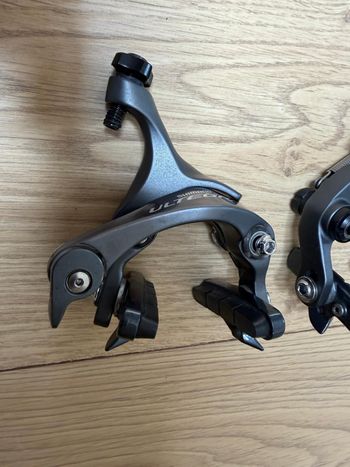
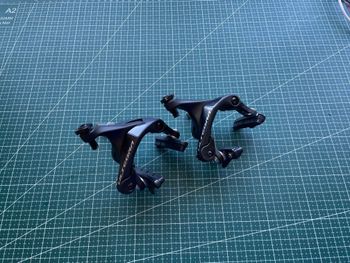
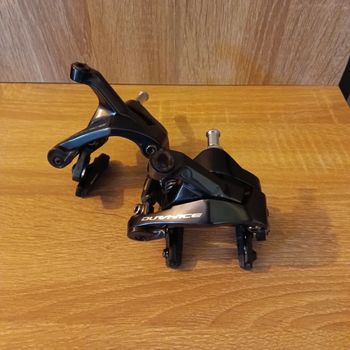
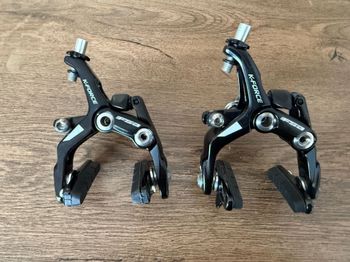
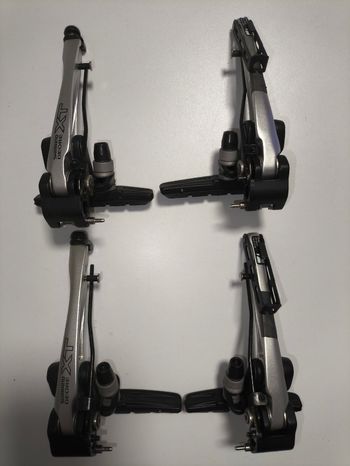
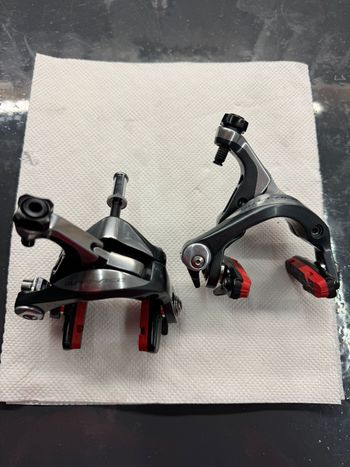
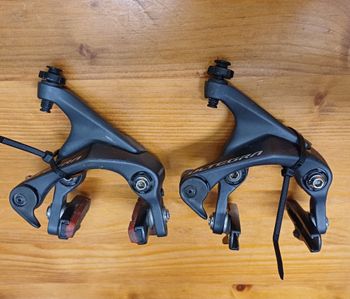
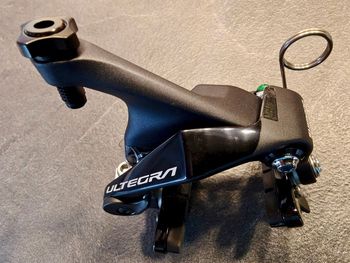
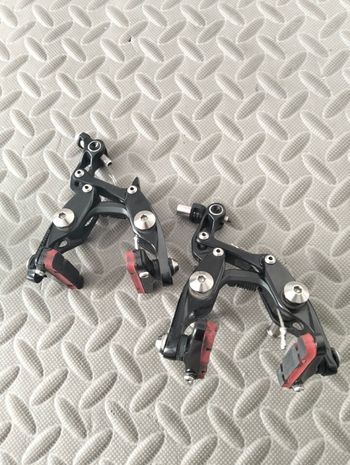
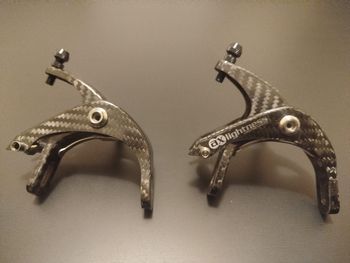
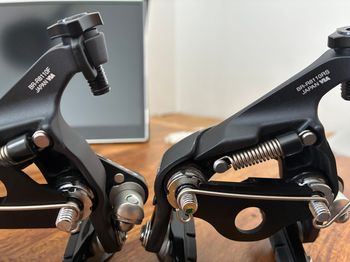
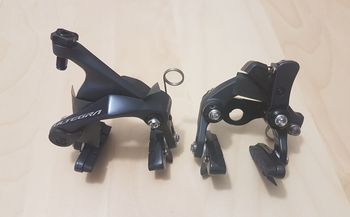
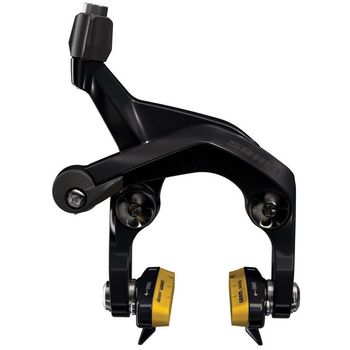
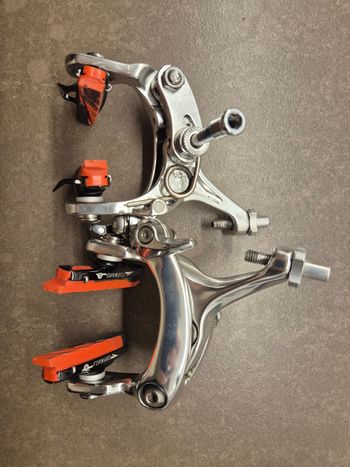
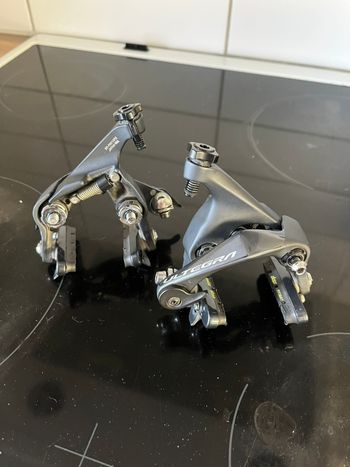
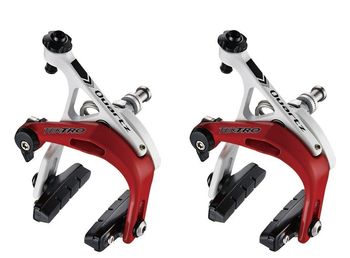
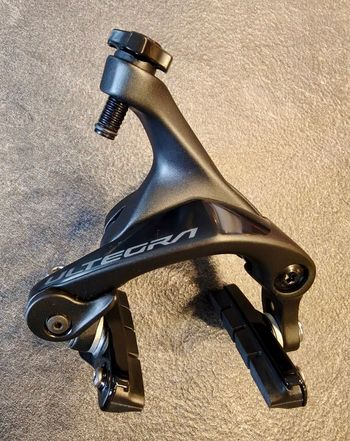
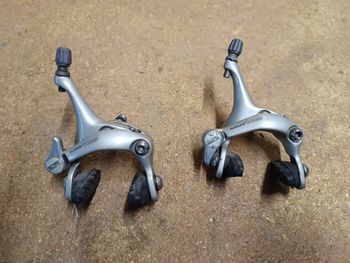
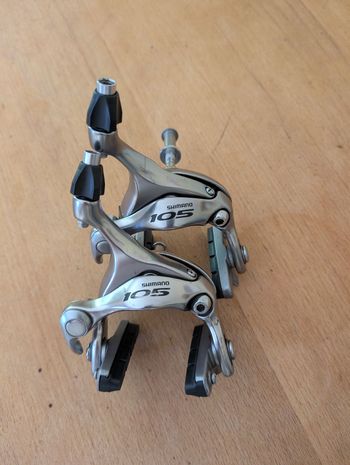
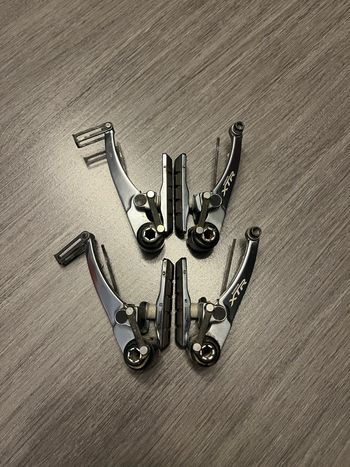
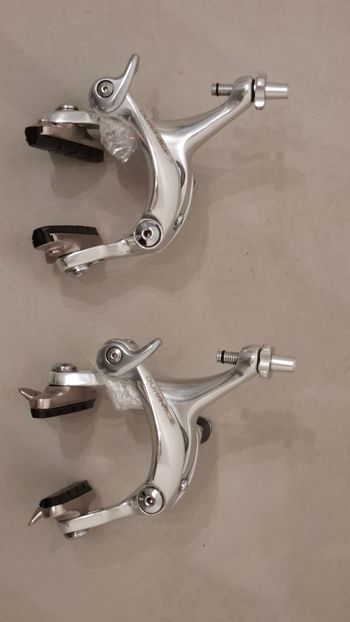
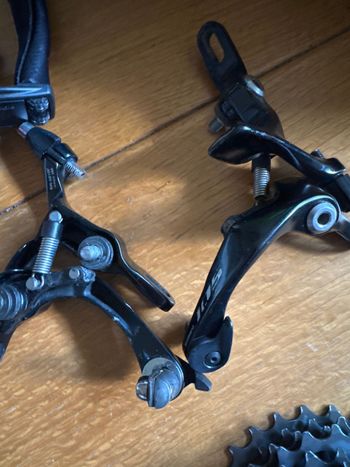
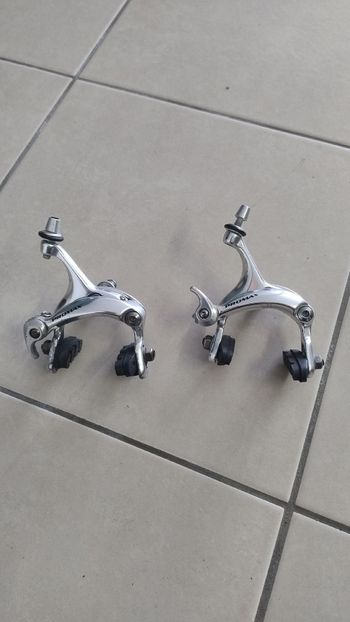
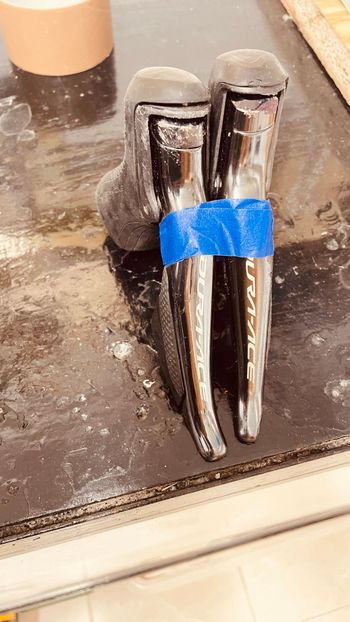
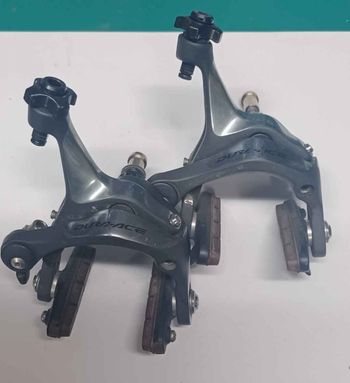
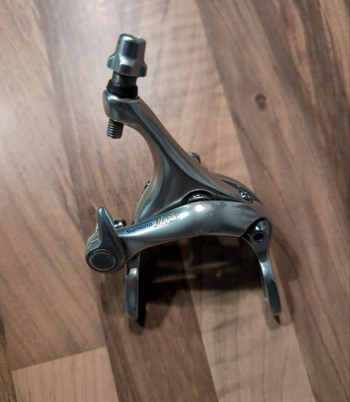
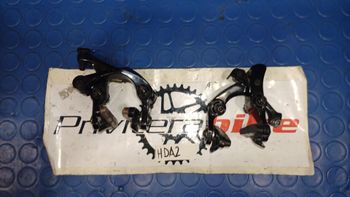
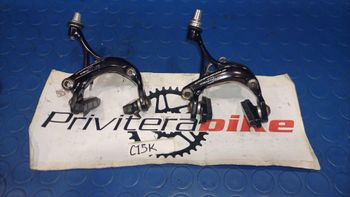
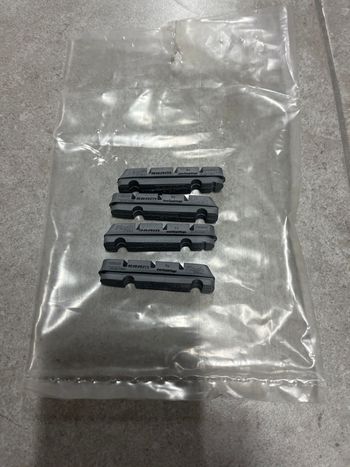
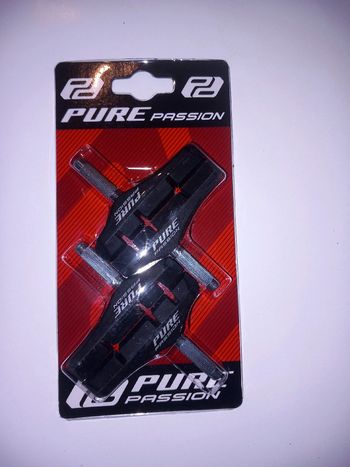
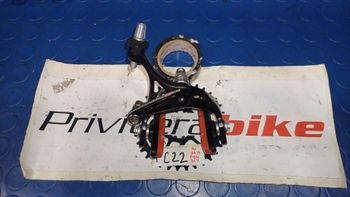
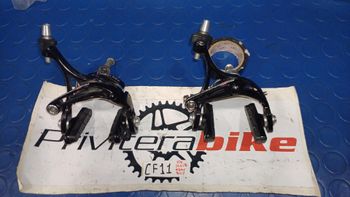
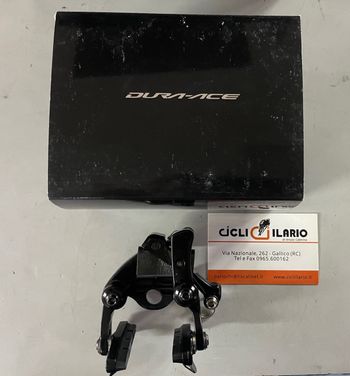
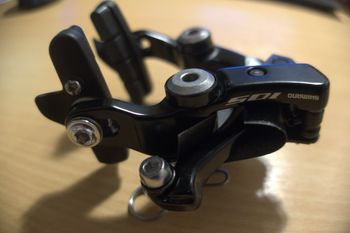
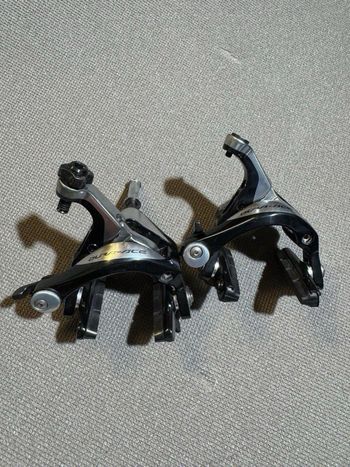
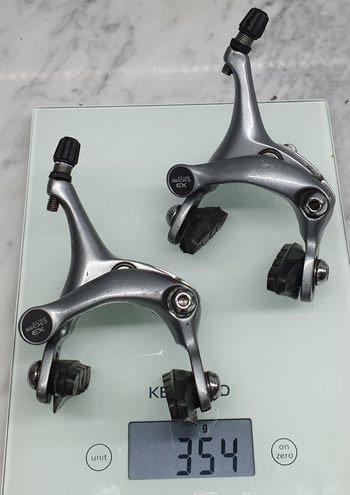
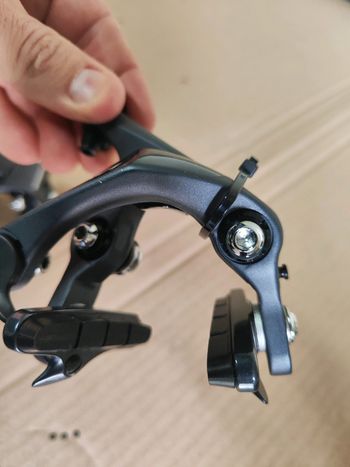
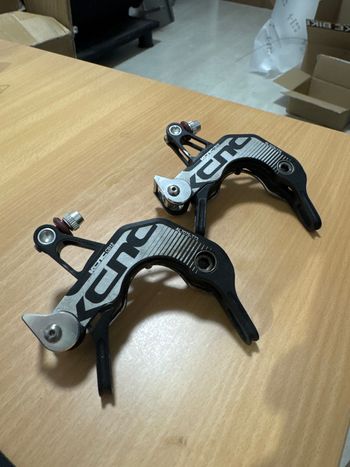
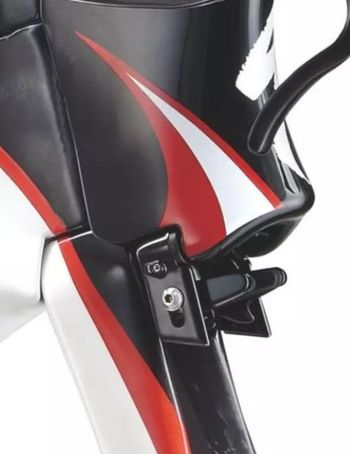
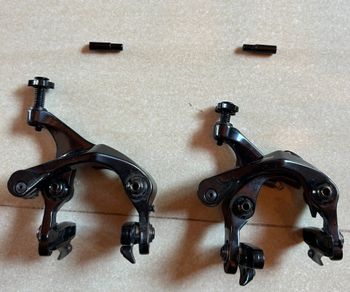
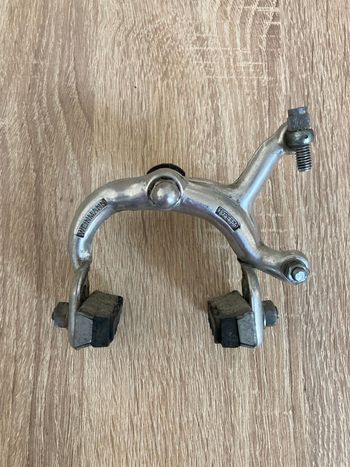
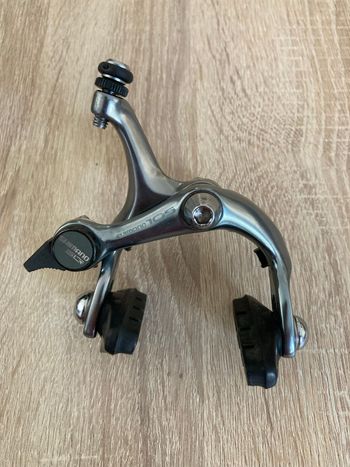
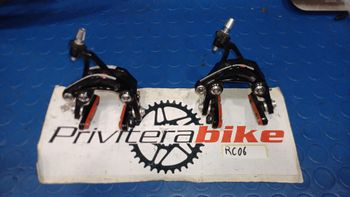
This page delves into the world of rim brakes, a popular braking system widely used in various types of sports bikes, including road bikes and gravel bikes. Rim brakes are known for their lightweight design and simplicity, offering excellent stopping power. You'll learn about their functionality, benefits, and how they compare to other braking systems, like disc brakes. Whether you're a seasoned cyclist or a newcomer, understanding rim brakes is essential for making informed decisions about your sports bike setup.
While rim brakes are a solid choice, it's worth considering alternatives that may suit your riding style better. For instance, disc brakes offer superior performance in wet conditions and are increasingly becoming the standard on many mountain and road bikes. Models like the Trek Madone or Specialized Roubaix feature disc brake systems. If you're into gravel biking, the Cannondale Topstone or the Giant Revolt provide a robust performance equipped with disc brakes. Alternatively, classic road bikes like the Bianchi Via Nirone and the Fuji Gran Fondo still showcase rim brakes, appealing to traditionalists who value simplicity and lightness.
Understanding the benefits and drawbacks of rim brakes can help you make the right choice for your biking needs. One of the main advantages of rim brakes is their weight, making them ideal for competitive cyclists seeking speed. They also tend to be easier to maintain and replace. However, rim brakes may underperform in wet or muddy conditions, where disc brakes excel. Evaluating these factors can guide your decision, whether you prioritize weight, ease of use, or all-weather performance.