
7Results
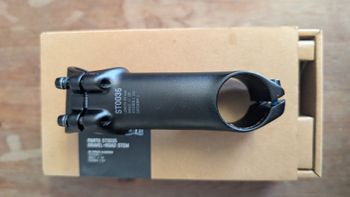
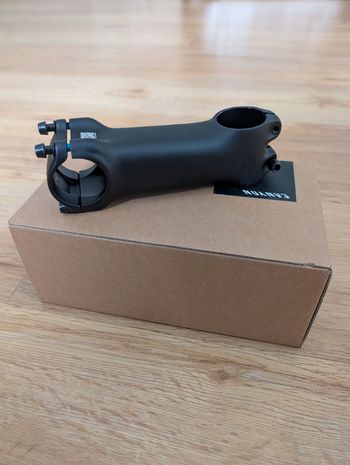
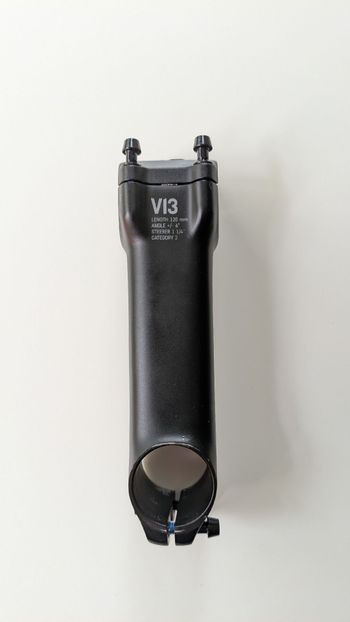
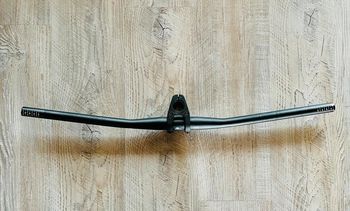
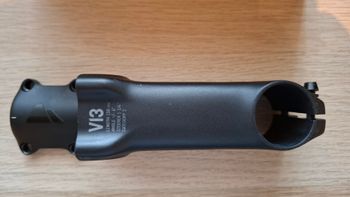
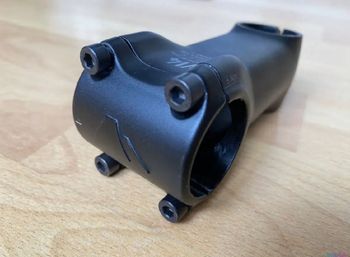
Canyon stems represent precision engineering designed to optimize your riding position and bike handling. These crucial components connect your handlebars to the fork steerer tube, directly influencing comfort, aerodynamics, and control across all disciplines. Whether you're piloting a Canyon Aeroad, Ultimate, or Grail, the right stem ensures perfect cockpit geometry for maximum efficiency. Canyon's stem designs incorporate lightweight materials like aluminum and carbon fiber, featuring clean aesthetics that complement their framesets perfectly. Each stem undergoes rigorous testing to meet the demands of professional racing and recreational cycling alike, making them a popular choice on buycycle's marketplace.
While Canyon produces excellent stems, several other manufacturers offer compelling alternatives with unique characteristics. Zipp stems excel in aerodynamic applications, particularly their SL series favored by time trial specialists. Thomson Elite X4 models provide exceptional durability with their distinctive face plate design and precise CNC machining. Ritchey WCS stems combine lightweight construction with proven reliability, while PRO Vibe models offer excellent value with clean lines similar to Canyon's aesthetic. Deda Zero stems feature Italian craftsmanship with multiple angle options, and FSA SL-K stems deliver carbon fiber construction at competitive prices. Each brand brings distinct advantages in weight, stiffness, or adjustability to suit different riding preferences and budgets.
Proper stem selection involves more than brand preference, requiring careful attention to steerer tube diameter, handlebar clamp size, and length specifications. Most modern Canyon bikes utilize 1 1/8" steerer tubes with 31.8mm handlebar clamps, though some models feature oversized steerer tubes or different clamp diameters. Stem length significantly affects bike handling characteristics - shorter stems provide quicker steering response ideal for technical terrain, while longer stems offer stability and improved aerodynamics for road applications. Rise or drop angles also influence riding position, with positive angles raising handlebar height and negative angles lowering the front end. Understanding these measurements ensures compatibility and optimal fit when upgrading your cockpit components.