
84Results
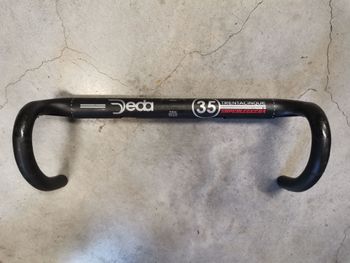
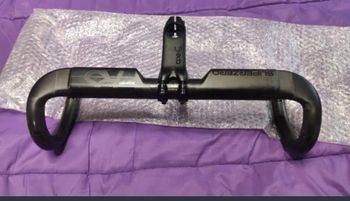
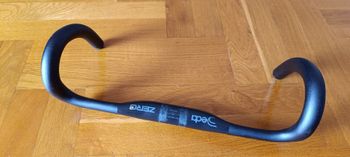
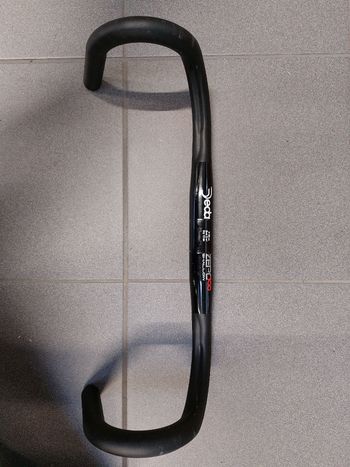
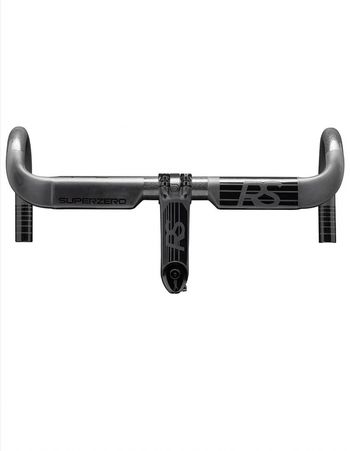
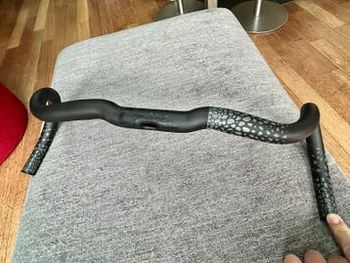
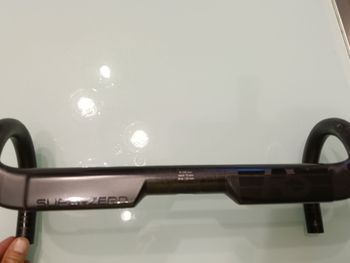
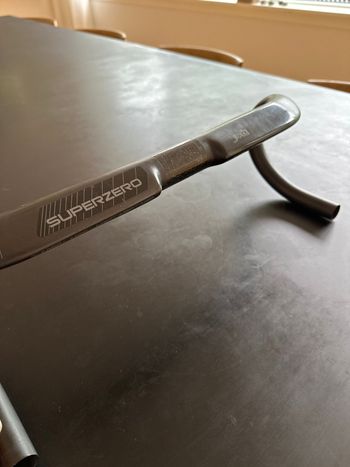
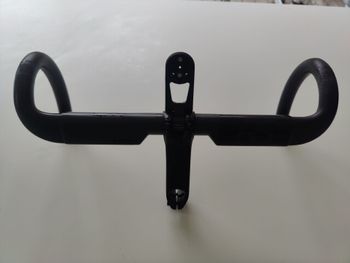
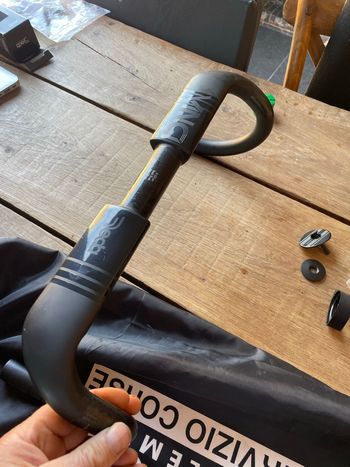
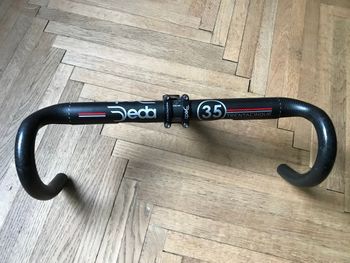
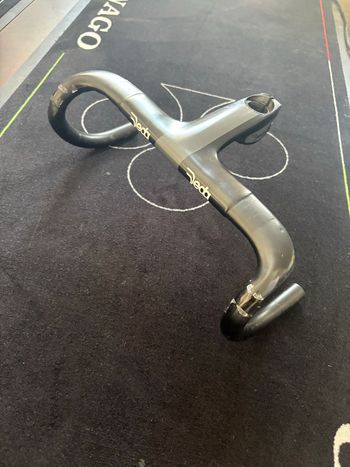
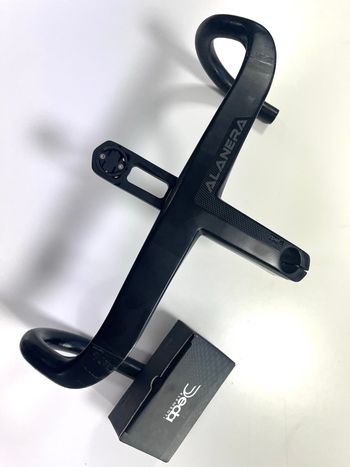
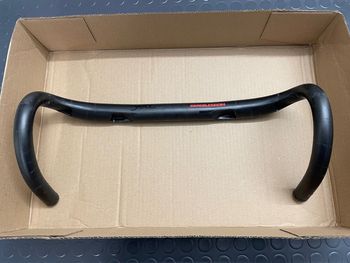
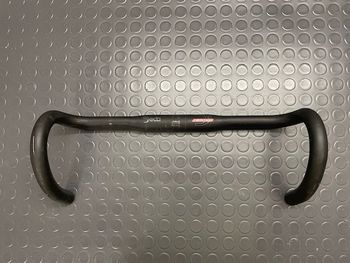
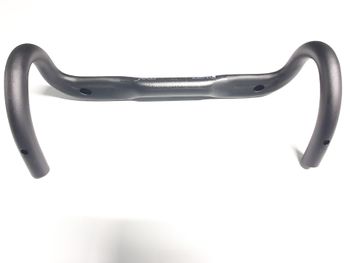
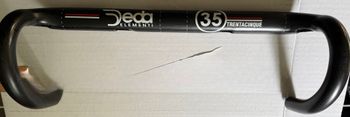
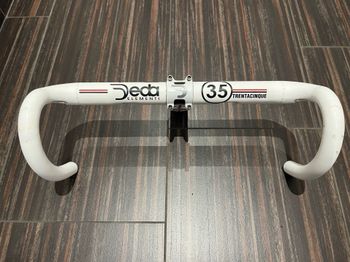
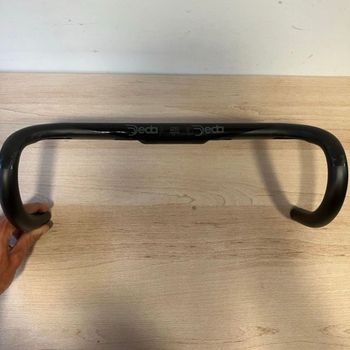
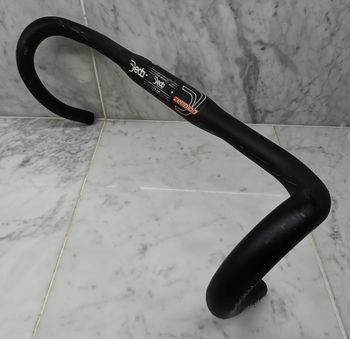
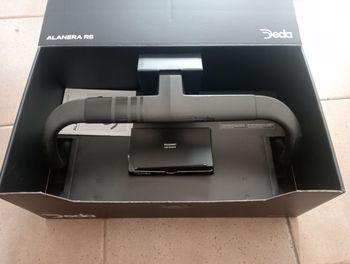
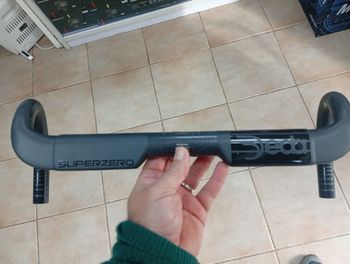
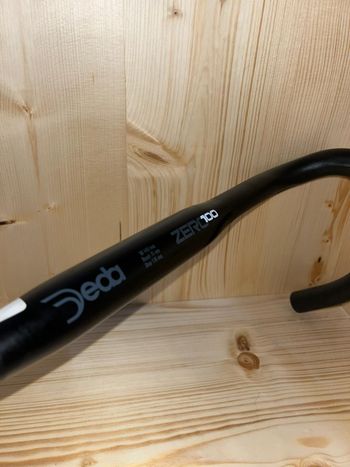
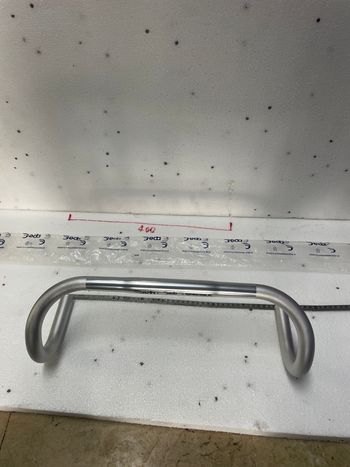
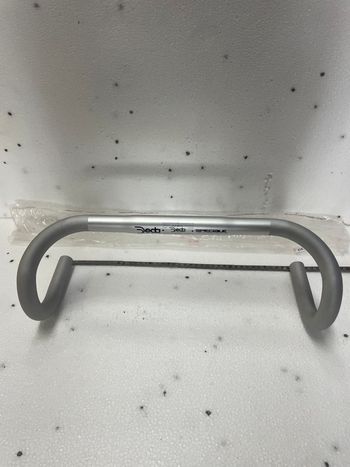
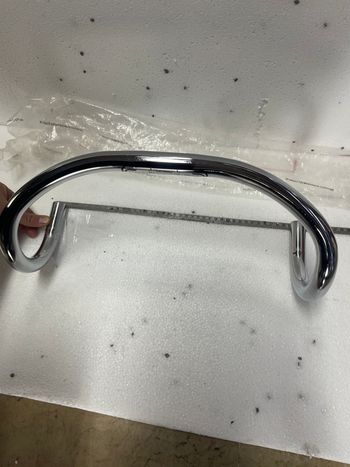
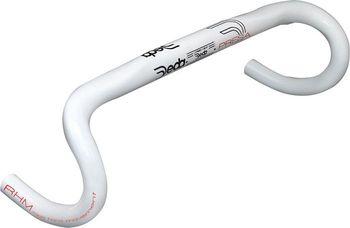
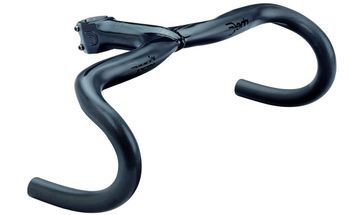
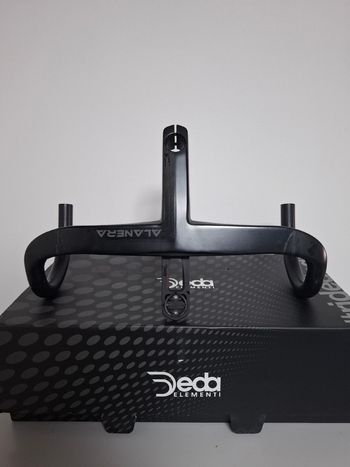
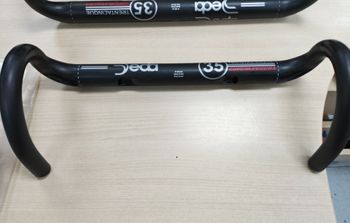
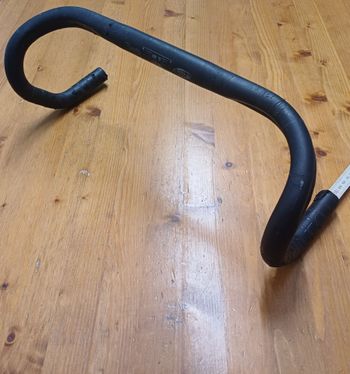
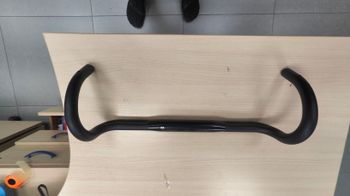
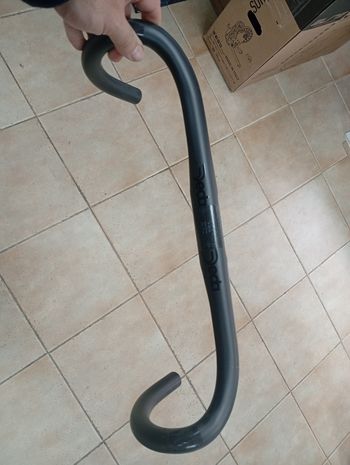
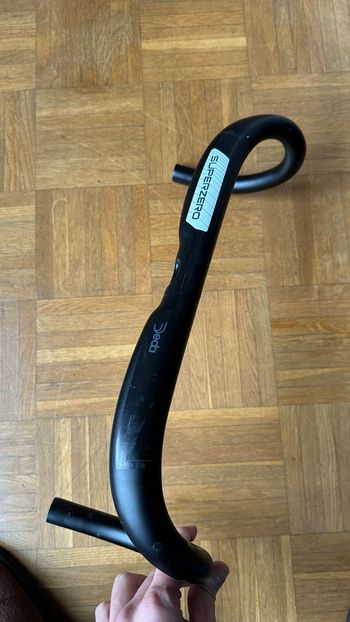
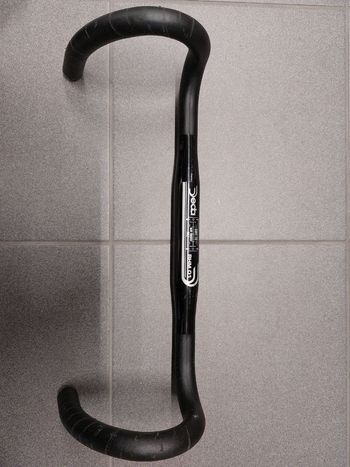
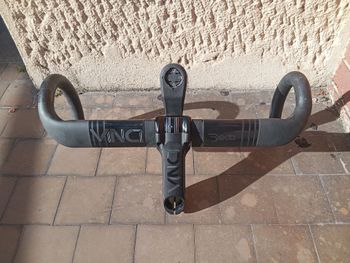
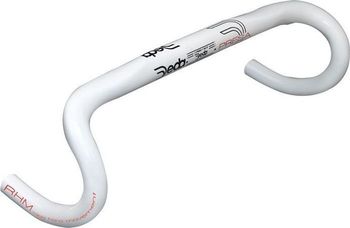
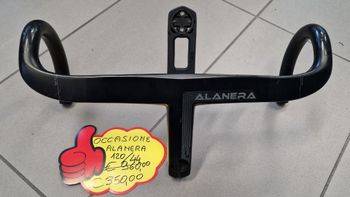
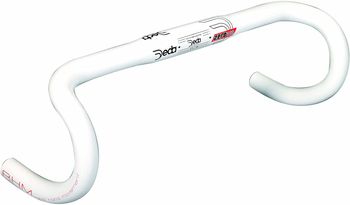
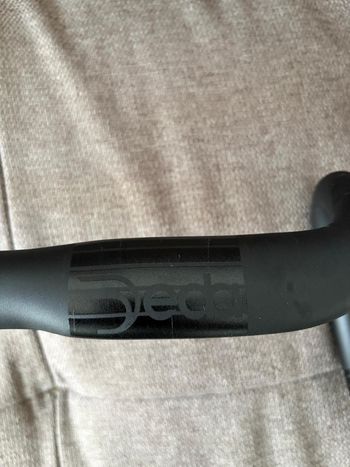
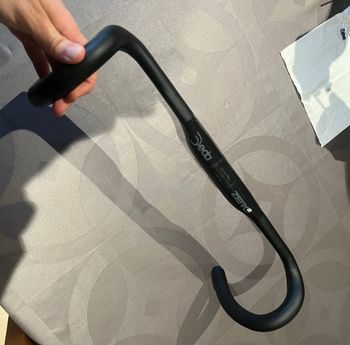
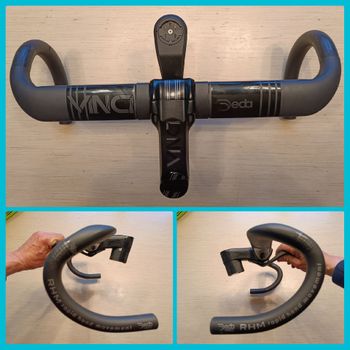
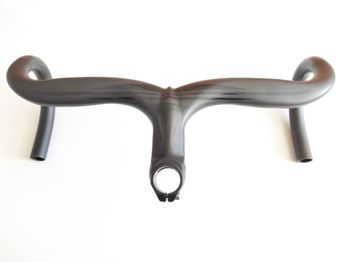
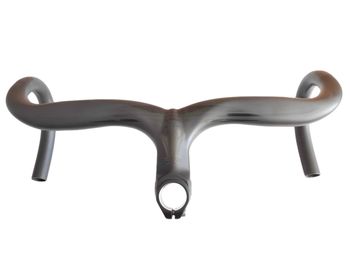
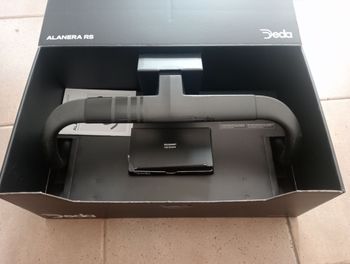
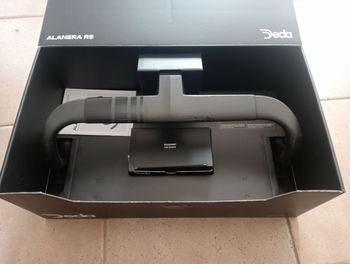
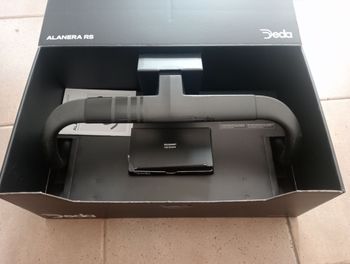
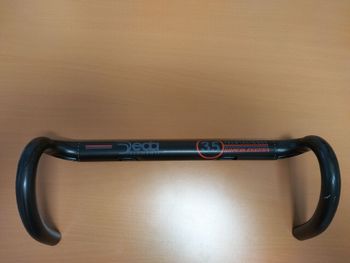
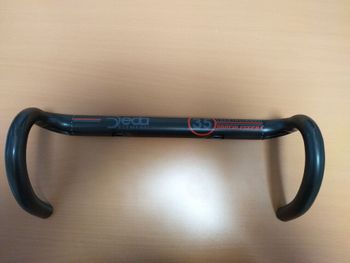
Deda Elementi handlebars represent Italian engineering excellence in cycling components, offering riders precision-crafted solutions for improved comfort and aerodynamics. These handlebars combine lightweight construction with superior durability, making them a popular choice among professional cyclists and enthusiasts alike. Whether you're seeking enhanced control on challenging descents or improved aerodynamic positioning for time trials, Deda Elementi delivers exceptional quality at every price point. Finding quality Deda Elementi handlebars on buycycle allows you to access premium Italian components at significantly reduced prices, making professional-grade equipment more accessible to passionate cyclists.
While exploring handlebar options, consider comparing Deda Elementi with other renowned manufacturers like Ritchey WCS Carbon, FSA K-Wing AGX, and Zipp Service Course SL handlebars. The 3T Ergonova and Cinelli Vai handlebars offer similar Italian craftsmanship with distinct ergonomic profiles. For carbon fiber enthusiasts, the Enve Compact Drop and PRO Vibe handlebars provide excellent stiffness-to-weight ratios. Time trial specialists might appreciate the Profile Design Aeria or Vision Metron handlebars for their aerodynamic advantages. Each brand brings unique characteristics - Ritchey focuses on versatile geometry, FSA emphasizes affordability without compromising quality, while Zipp prioritizes aerodynamic efficiency. These alternatives offer different drop depths, reach measurements, and material compositions to suit various riding styles and preferences.
Handlebar selection significantly impacts riding comfort, control, and performance across different cycling disciplines. Drop depth, reach, and top section shape influence hand positioning and aerodynamic benefits during various riding positions. Carbon fiber handlebars typically offer superior vibration damping compared to aluminum alternatives, reducing fatigue during long rides while maintaining excellent stiffness for responsive handling. The ergonomic design considerations include grip zones, cable routing compatibility, and integration with modern brake and shifting systems. Professional fitting considerations involve matching handlebar width to shoulder measurements and selecting appropriate reach and drop dimensions based on riding style and flexibility. Understanding these technical aspects helps cyclists make informed decisions when upgrading their cockpit setup for optimal performance and comfort.
Deda Elementi handlebars represent Italian engineering excellence in cycling components, offering riders precision-crafted solutions for improved comfort and aerodynamics. These handlebars combine lightweight construction with superior durability, making them a popular choice among professional cyclists and enthusiasts alike. Whether you're seeking enhanced control on challenging descents or improved aerodynamic positioning for time trials, Deda Elementi delivers exceptional quality at every price point. Finding quality Deda Elementi handlebars on buycycle allows you to access premium Italian components at significantly reduced prices, making professional-grade equipment more accessible to passionate cyclists.
While exploring handlebar options, consider comparing Deda Elementi with other renowned manufacturers like Ritchey WCS Carbon, FSA K-Wing AGX, and Zipp Service Course SL handlebars. The 3T Ergonova and Cinelli Vai handlebars offer similar Italian craftsmanship with distinct ergonomic profiles. For carbon fiber enthusiasts, the Enve Compact Drop and PRO Vibe handlebars provide excellent stiffness-to-weight ratios. Time trial specialists might appreciate the Profile Design Aeria or Vision Metron handlebars for their aerodynamic advantages. Each brand brings unique characteristics - Ritchey focuses on versatile geometry, FSA emphasizes affordability without compromising quality, while Zipp prioritizes aerodynamic efficiency. These alternatives offer different drop depths, reach measurements, and material compositions to suit various riding styles and preferences.
Handlebar selection significantly impacts riding comfort, control, and performance across different cycling disciplines. Drop depth, reach, and top section shape influence hand positioning and aerodynamic benefits during various riding positions. Carbon fiber handlebars typically offer superior vibration damping compared to aluminum alternatives, reducing fatigue during long rides while maintaining excellent stiffness for responsive handling. The ergonomic design considerations include grip zones, cable routing compatibility, and integration with modern brake and shifting systems. Professional fitting considerations involve matching handlebar width to shoulder measurements and selecting appropriate reach and drop dimensions based on riding style and flexibility. Understanding these technical aspects helps cyclists make informed decisions when upgrading their cockpit setup for optimal performance and comfort.