
3Results
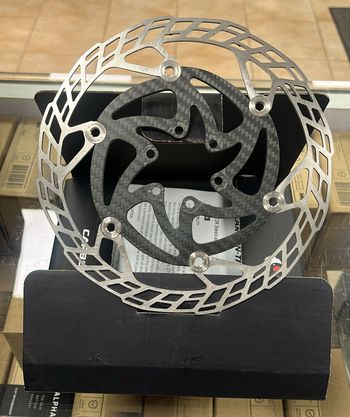
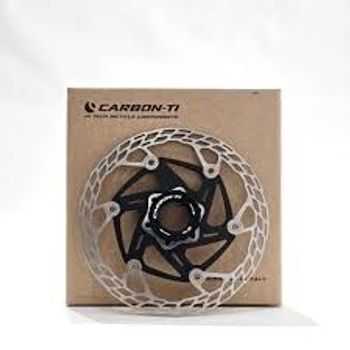
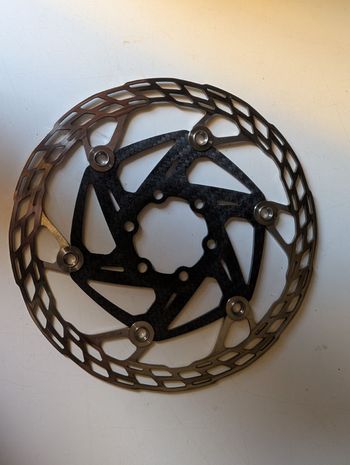
Carbon-Ti brake rotors represent the pinnacle of Italian engineering excellence in cycling components. These premium disc brake rotors combine lightweight carbon fiber construction with titanium elements, delivering exceptional braking performance for serious cyclists. Carbon-Ti's innovative manufacturing process creates rotors that offer superior heat dissipation, consistent modulation, and remarkable durability across various riding conditions. Whether you're tackling steep mountain descents or navigating technical terrain, these rotors provide the reliable stopping power that competitive cyclists demand. Finding quality Carbon-Ti brake rotors on buycycle allows you to access this high-end technology at a fraction of the original retail price, making premium performance more accessible to dedicated enthusiasts.
While Carbon-Ti sets the standard for premium rotors, several other manufacturers offer compelling alternatives worth considering. Shimano's Dura-Ace and Ultegra rotors provide excellent reliability and widespread compatibility across road and gravel applications. SRAM's CenterLine series delivers consistent performance with their rounded edge design, while Hope's floating rotors excel in mountain biking scenarios. Magura's Storm rotors offer exceptional value with impressive heat management capabilities. For those seeking specialized options, Alligator's lightweight rotors and SwissStop's Catalyst series provide unique performance characteristics. Each brand brings distinct advantages in terms of weight, durability, and braking feel, allowing cyclists to select rotors that match their specific riding style and performance requirements.
Modern brake rotor technology encompasses various design philosophies and material combinations to optimize performance. Rotor diameter significantly impacts braking power, with larger sizes providing greater leverage and heat capacity for demanding applications. Construction methods range from one-piece designs offering simplicity and reliability to floating rotors that accommodate thermal expansion during intense braking sessions. Surface treatments and patterns influence pad engagement and heat dissipation, while thickness variations affect overall system stiffness and modulation characteristics. Material choices between steel, aluminum, and composite constructions each present unique benefits in weight, durability, and performance. Understanding these technical aspects helps cyclists make informed decisions when selecting rotors that complement their specific brake system and riding demands.
Carbon-Ti brake rotors represent the pinnacle of Italian engineering excellence in cycling components. These premium disc brake rotors combine lightweight carbon fiber construction with titanium elements, delivering exceptional braking performance for serious cyclists. Carbon-Ti's innovative manufacturing process creates rotors that offer superior heat dissipation, consistent modulation, and remarkable durability across various riding conditions. Whether you're tackling steep mountain descents or navigating technical terrain, these rotors provide the reliable stopping power that competitive cyclists demand. Finding quality Carbon-Ti brake rotors on buycycle allows you to access this high-end technology at a fraction of the original retail price, making premium performance more accessible to dedicated enthusiasts.
While Carbon-Ti sets the standard for premium rotors, several other manufacturers offer compelling alternatives worth considering. Shimano's Dura-Ace and Ultegra rotors provide excellent reliability and widespread compatibility across road and gravel applications. SRAM's CenterLine series delivers consistent performance with their rounded edge design, while Hope's floating rotors excel in mountain biking scenarios. Magura's Storm rotors offer exceptional value with impressive heat management capabilities. For those seeking specialized options, Alligator's lightweight rotors and SwissStop's Catalyst series provide unique performance characteristics. Each brand brings distinct advantages in terms of weight, durability, and braking feel, allowing cyclists to select rotors that match their specific riding style and performance requirements.
Modern brake rotor technology encompasses various design philosophies and material combinations to optimize performance. Rotor diameter significantly impacts braking power, with larger sizes providing greater leverage and heat capacity for demanding applications. Construction methods range from one-piece designs offering simplicity and reliability to floating rotors that accommodate thermal expansion during intense braking sessions. Surface treatments and patterns influence pad engagement and heat dissipation, while thickness variations affect overall system stiffness and modulation characteristics. Material choices between steel, aluminum, and composite constructions each present unique benefits in weight, durability, and performance. Understanding these technical aspects helps cyclists make informed decisions when selecting rotors that complement their specific brake system and riding demands.